 Advanced Engineering Achieves Tunnel Breakthrough
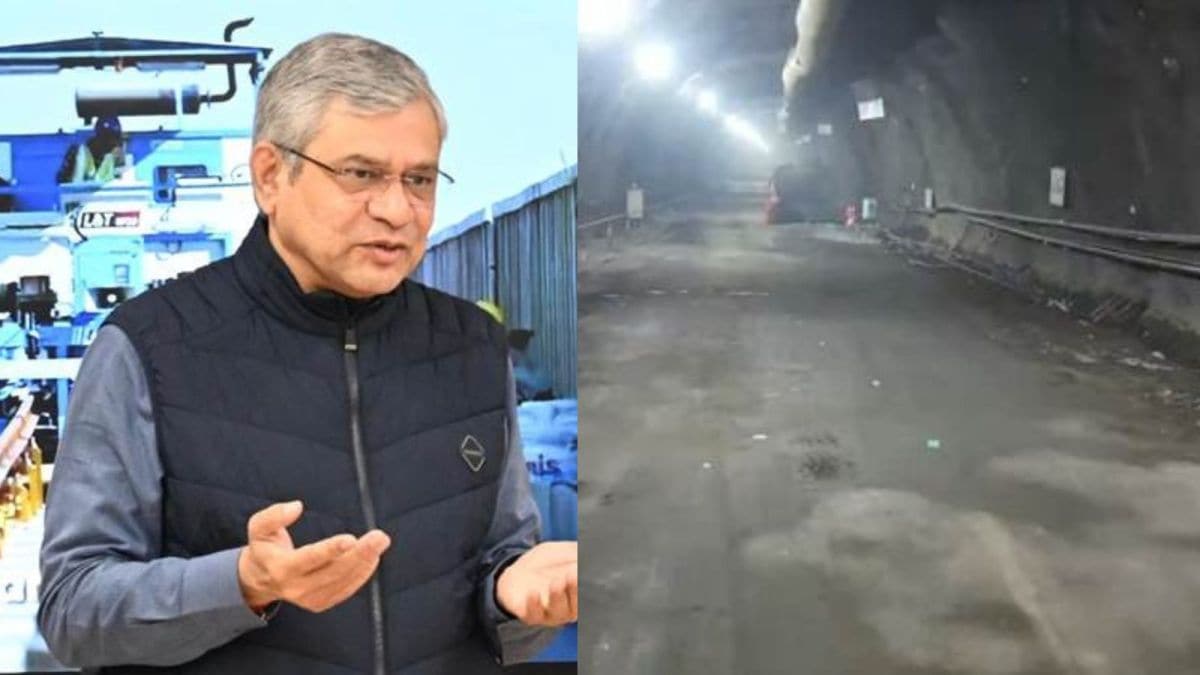
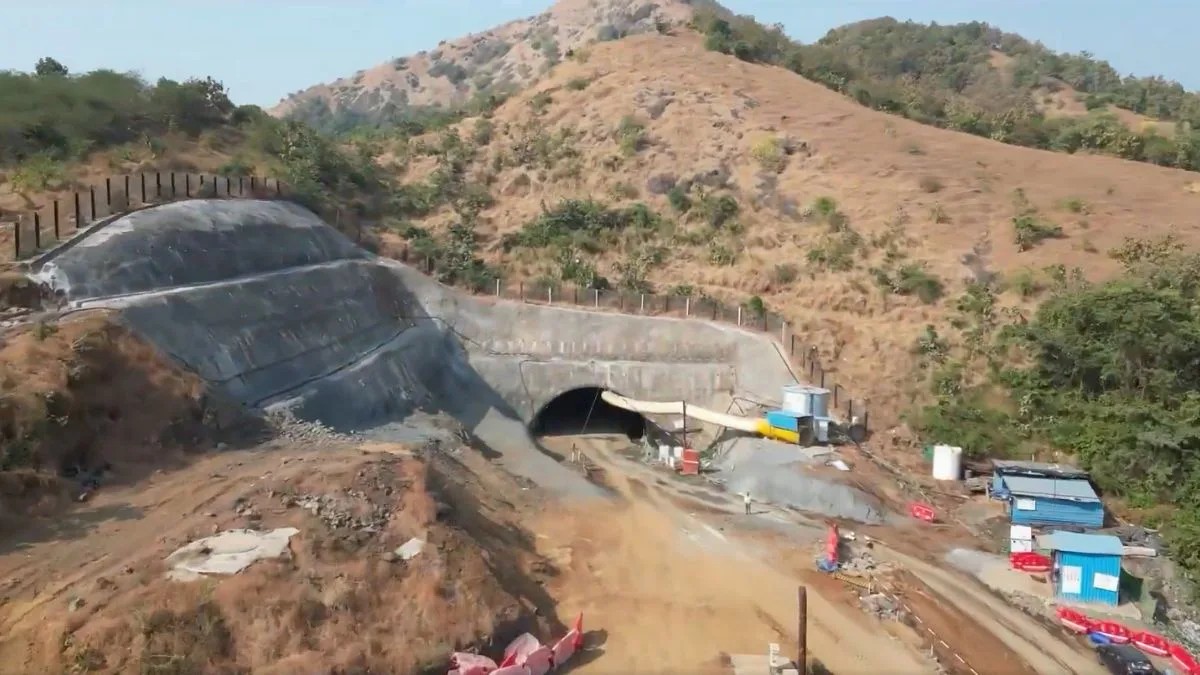
The MT-5 tunnel was excavated simultaneously from both ends and completed within a span of 18 months using the advanced drill-and-blast method. This modern tunnelling technique allows engineers to monitor geological conditions in real time and deploy support systems based on actual ground behaviour.
According to project officials, support measures such as shotcrete lining, rock bolting, and lattice girders were installed wherever required to ensure structural stability. Comprehensive safety arrangements, including ventilation systems, fire prevention mechanisms, and controlled access routes, were implemented throughout the construction process.
MAHSR Project Progress and Tunnel Network
Earlier, the project achieved another major milestone in September 2025 with the completion of its first underground tunnel stretching nearly five kilometres between Thane and the Bandra-Kurla Complex (BKC). In total, the MAHSR corridor spans 508 kilometres and includes a cumulative tunnel length of 27.4 kilometres.
Of this, about 21 kilometres consist of underground tunnels, while the remaining 6.4 kilometres comprise surface and mountain tunnels. The project includes eight mountain tunnels in total, seven of which are located in Maharashtra with a combined length of around 6.05 kilometres. One additional mountain tunnel of 350 metres is situated in Gujarat.
Status of Mountain Tunnels in Maharashtra
Construction work on the remaining mountain tunnels in Maharashtra is progressing steadily. MT-1, measuring 820 metres, has achieved around 15 percent physical progress. MT-2, with a length of 228 metres, is currently in the preparatory stage.
MT-3, stretching 1,403 metres, has reached 35.5 percent completion, while MT-4, measuring 1,260 metres, stands at 31 percent progress. MT-6 and MT-7 have recorded 35 percent and 28 percent completion respectively, collectively bringing the total mountain tunnel length in the state to nearly six kilometres.
Transforming Travel and Economic Landscape
Highlighting the broader impact of the project, Shri Ashwini Vaishnaw stated that the bullet train will significantly reduce travel time between Mumbai and Ahmedabad to just 1 hour and 58 minutes. The corridor will connect major commercial hubs, enhancing economic integration across western India.
The minister emphasized that the project is already generating substantial employment during the construction phase and will continue to create jobs during its operation. He added that the bullet train will offer a comfortable, reliable, and affordable travel option, particularly benefiting India’s growing middle class.
Environmental and Long-Term Benefits
Beyond speed and convenience, the MAHSR project is expected to deliver long-term environmental benefits. The Union Minister noted that once operational, the bullet train system could lead to an estimated 95 percent reduction in carbon dioxide emissions compared to equivalent road transport.
The corridor is also expected to foster industrial development, support the growth of IT and manufacturing hubs, and facilitate the transfer of advanced rail technology and expertise to India.