
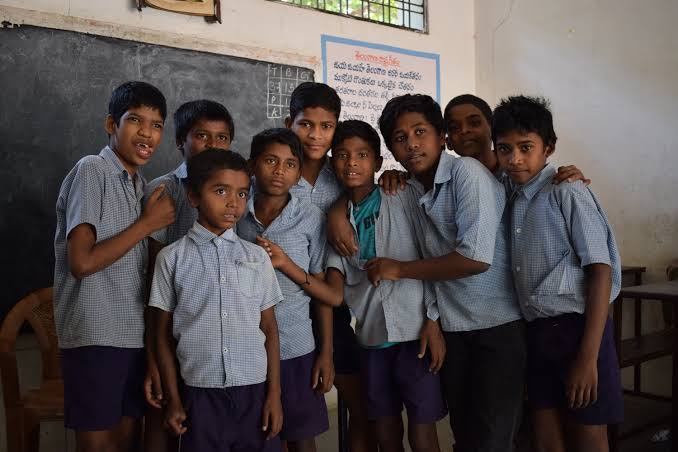
The Forest Rights Act, 2006 (FRA) continues to be a transformative legislation that uplifts tribal communities by recognizing their rights to forest land and resources. Over the years, this Act has helped millions of Scheduled Tribes (STs) and Other Traditional Forest Dwellers (OTFDs) across India. As of May 31, 2025, more than 25 lakh titles have been distributed under this law, signaling real progress in social justice and land rights for India’s tribal population.
What Is the Forest Rights Act?
The FRA, enacted in 2006, aims to correct the historical injustice faced by forest-dwelling communities. It provides legal recognition of their rights to inhabit and cultivate forest land that they have been dependent on for generations. The Ministry of Tribal Affairs leads the implementation, while State Governments play the primary role in enforcement.


According to the latest PIB report dated July 24, 2025, a total of 25,11,375 titles have been granted:
- 23,89,670 Individual Titles
- 1,21,705 Community Titles
- 2.32 crore acres of forest land have been recognized under these claims
The highest number of titles were issued in Chhattisgarh (5.34 lakh), followed by Odisha (4.70 lakh), and Madhya Pradesh (2.94 lakh).
Key Progress by States
Here’s a snapshot of some states with remarkable implementation:
- Chhattisgarh: Over 10 million acres of forest land distributed
- Maharashtra: 3.83 lakh titles covering 3.8 million acres
- Telangana: 2.3 lakh titles granted, covering over 11 lakh acres
However, states like Assam, Uttar Pradesh, and Jammu & Kashmir have not reported complete data. Implementation gaps still persist and need focused attention.
Beyond Land: Employment and Education for STs
Special Employment Guarantee for Tribal Areas
The Mahatma Gandhi National Rural Employment Guarantee Scheme (MGNREGS) supports tribal communities by offering an additional 50 days of wage employment in forest areas. This ensures sustained livelihoods for forest dwellers, especially in rural and drought-prone regions.
Scholarships Changing Lives
The Government of India also runs pre-matric and post-matric scholarship programs for ST students. These initiatives have supported over 60 lakh tribal students across three academic years:
- Post-Matric Scholarship (2024–25): 17.05 lakh ST beneficiaries
- Pre-Matric Scholarship (2024–25): Over 9 lakh ST beneficiaries
Madhya Pradesh alone supported over 3.26 lakh students in 2024–25 under post-matric scholarships, indicating a robust state-level commitment to tribal education.
Filling Reserved Posts for STs
The Department of Personnel and Training (DoPT) has filled more than 1.15 lakh ST reserved vacancies since 2016. Today, ST representation in Central Government jobs stands at 8.8%. Public Sector Enterprises (PSEs) show even better inclusion with 10.85% ST employees out of a total 8.12 lakh workforce (2023–24).
Challenges That Remain
While the achievements are significant, challenges remain:
- Non-reporting by some states (e.g., Assam, J&K, UP)
- Low distribution in states like Bihar (only 191 titles)
- Delayed vacancy filling and representation gaps in some ministries
Monitoring and timely reporting remain crucial for tracking progress and ensuring tribal welfare is not compromised.
Way Forward: Bridging Gaps and Scaling Support
The Ministry of Tribal Affairs continues to issue guidelines to ensure smooth implementation. Monthly Progress Reports (MPRs) from states are vital to monitor and guide the process. There is also a need to increase awareness among tribal populations about their rights under FRA and associated welfare schemes.
With consistent effort, more inclusive governance, and state-centre collaboration, India can ensure that every forest dweller gets their rightful place in development.
Conclusion: Rights Recognized, Lives Transformed
The Forest Rights Act is more than a policy—it is a promise to India’s tribal citizens. It acknowledges their bond with the forest, safeguards their heritage, and empowers future generations. Continued implementation, supported by education, employment, and inclusion, will pave the way for a just and equitable future.