 DoJ Affidavit Cites Surveillance and Sensitive Files
According to an affidavit released by the Department of Justice, Tellis was monitored for months before his arrest. Federal agents reportedly observed him meeting several times with Chinese officials in Washington and New York. The affidavit also alleges that he accessed restricted defence-related data concerning advanced US military hardware and missile systems.
The DoJ said Tellis is being charged under Title 18 of the U.S. Code for unauthorized possession and handling of classified national defence information. “Protecting America’s defence secrets is a matter of national security. Any breach, intentional or otherwise, will face full legal scrutiny,” the department said in its official statement.
A Trusted Voice on India-US Relations
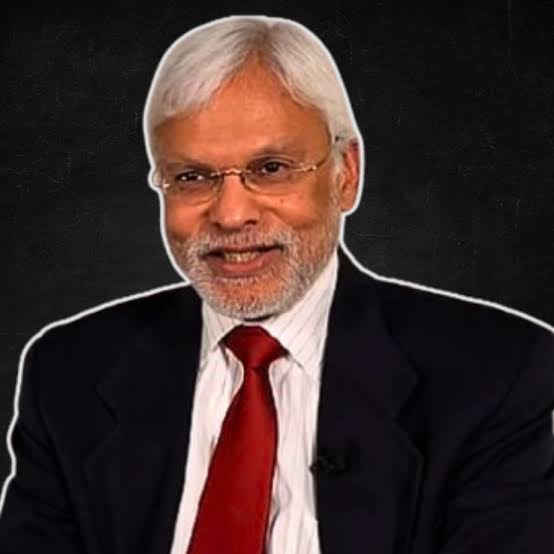
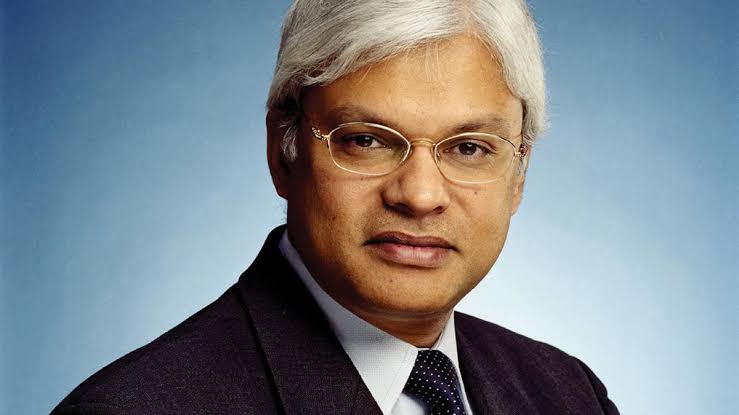
Ashley Tellis, an Indian-American scholar, was considered a respected authority on South Asian affairs. He played an instrumental role during the George W. Bush administration in drafting the India–US Civil Nuclear Agreement and served as an adviser on security and strategic affairs at the Carnegie Endowment for International Peace.
In New Delhi, Tellis was widely regarded as one of the most influential voices behind Washington’s outreach to India. His arrest has stunned the diplomatic community, where he was often seen as a bridge between policymakers in both capitals.
Allegations of Contact with Chinese Officials
The affidavit details that Tellis was placed under federal surveillance after intelligence flagged frequent meetings with individuals connected to the Chinese Embassy. Officials said that while some of these interactions appeared to be routine diplomatic exchanges, others raised suspicions after Tellis allegedly attempted to access classified documents related to fighter jet technologies and satellite communication systems.
Federal prosecutors are now examining whether these contacts violated the Espionage Act or related security statutes. However, authorities have not yet accused Tellis of espionage directly, saying the case remains under active investigation.
Indian Government’s Reaction
In response to media queries, India’s Ministry of External Affairs declined to comment on the arrest, noting that Tellis is a US citizen. Indian officials privately expressed concern that the incident could cast a shadow on ongoing defence and technology cooperation under the US-India Initiative on Critical and Emerging Technologies (iCET).
“Dr. Tellis had an important role in shaping India-US cooperation over the last two decades. This development is deeply concerning,” said a senior Indian diplomat on condition of anonymity.
Background of the Case
Tellis, who had previously worked with the US State Department and the National Security Council, was reportedly under a non-disclosure agreement even after leaving government service. Investigators allege that he retained and reviewed restricted files during his consultancy assignments, some of which contained sensitive assessments of Indo-Pacific defence deployments.
Sources close to the investigation told US media that intelligence agencies began tracking Tellis’s movements earlier this year when anomalies were detected in secure network access logs linked to his account.
Next Legal Steps
Tellis was presented before a federal magistrate in Washington DC on Tuesday and has been ordered to remain in custody until his bail hearing next week. If convicted, he could face up to 10 years in prison for mishandling classified material.
The US Department of Justice has emphasized that the investigation is ongoing and that no evidence of espionage or data transfer to foreign entities has yet been confirmed.
A Tarnished Legacy
For decades, Ashley Tellis was viewed as one of the most credible strategic thinkers on India-US relations. His arrest marks a stunning fall from grace for a diplomat and scholar once celebrated for fostering trust between two of the world’s largest democracies.
As investigations unfold, the case is expected to reignite debate in Washington about security clearances, post-retirement access to classified material, and the vulnerability of senior foreign policy experts to international influence operations.