
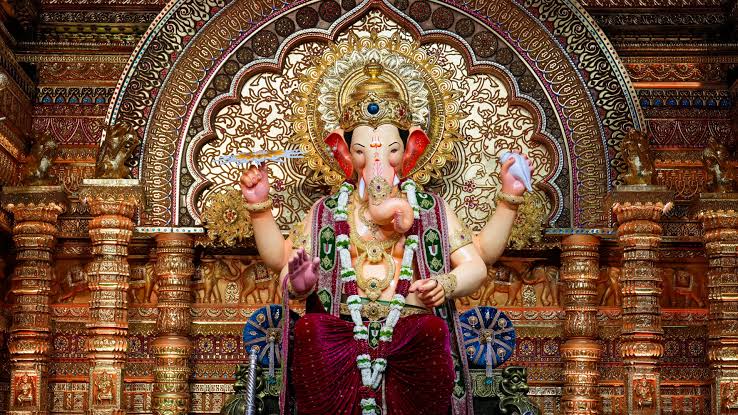
Ten-Day Festival Culminates on September 6
The eleven-day observance—popularly called Ganeshotsav—begins with the installation of Lord Ganesha’s idols on Chaturthi and concludes with immersion processions on Anant Chaturdashi. This year, visarjan falls on Saturday, September 6, 2025, when the city’s processions traditionally move towards the seafront and lakes for immersion. For puja timings and tithi details, readers can refer to reliable listings published ahead of the festival by national outlets here.
State Recognition Underscores Cultural Significance
In a notable policy update this season, the Maharashtra government formally declared the public Sarvajanik Ganeshotsav as the “State Festival of Maharashtra” in July. The announcement, made in the Legislative Assembly, underscored the administration’s intent to preserve and promote the festival’s social and cultural legacy that dates back to the late 19th century.
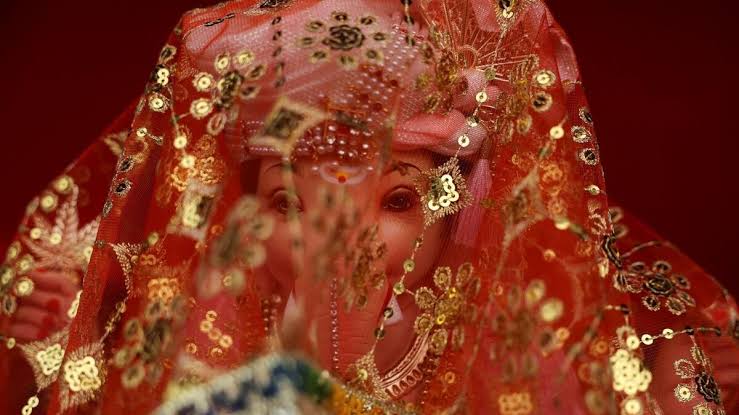

Anticipation for Mumbai’s most-visited pandal intensified after the first look of Lalbaugcha Raja was unveiled earlier this week. Established in 1934, the Lalbaugcha Raja Sarvajanik Ganeshotsav Mandal has become synonymous with the city’s collective faith and artistry. Generations of skilled artisans have maintained the idol’s distinctive style, attracting millions of darshan seekers each year. With crowd-management measures in place, police and volunteers urged visitors to follow designated routes and advisories for a smoother darshan experience.
Devotion at Home and in Public Pandals
While major temples and mandals see heavy footfall, celebrations are equally intimate inside homes. Families bring idols of Lord Ganesha, perform pran-pratishtha (installation), and observe daily aartis. Offerings such as modak, jaggery, coconut, and durva grass are made during the madhyahna puja window. Many households—especially outside metros—continue the tradition of gaat (community gatherings) for devotional songs and bhajans, underlining the festival’s neighbourhood spirit.
Eco-Aware Celebrations Gain Momentum
In recent years, organisers and families have leaned toward eco-friendly idols made of clay, paper, or natural fibres that dissolve quickly, reducing impact on marine and lake ecosystems. Municipal bodies across Maharashtra have also expanded temporary immersion ponds and promoted shadu (clay) idols to encourage responsible celebrations. Environmental groups recommend avoiding chemical paints and plastic décor, and using reusable cloth buntings and LED lighting.
Traffic, Safety and Darshan Tips
With large crowds expected throughout the festival, authorities typically issue route diversions, parking restrictions, and public transport advisories near major pandals such as Lalbaug, Andheri, and GSB Seva Mandal. Devotees are advised to carry water, wear comfortable footwear, and plan darshan during off-peak hours. At temples like Siddhivinayak, digital queue tokens and live-streams help devotees who cannot visit in person. Parents accompanying children should identify help-desks and keep emergency numbers handy.
Why Ganesh Chaturthi Endures
Beyond religious worship, Ganesh Chaturthi showcases community collaboration—artisans, electricians, florists, dhol-tasha troupes, and countless small vendors find seasonal livelihood, while mandals organise blood donation camps, cleanliness drives, and cultural programmes. This unique blend of devotion, artistry, and civic action explains why the festival continues to expand its footprint across India and among diaspora communities worldwide.
Key Dates to Remember
- Ganesh Chaturthi: Wednesday, August 27, 2025
- Visarjan (Anant Chaturdashi): Saturday, September 6, 2025
As Maharashtra ushers in Ganesh Chaturthi 2025, the shared hope among devotees remains timeless: may the Vighnaharta—the remover of obstacles—bring prosperity, wisdom, and good health to all.