 Key Issues Driving the Strike
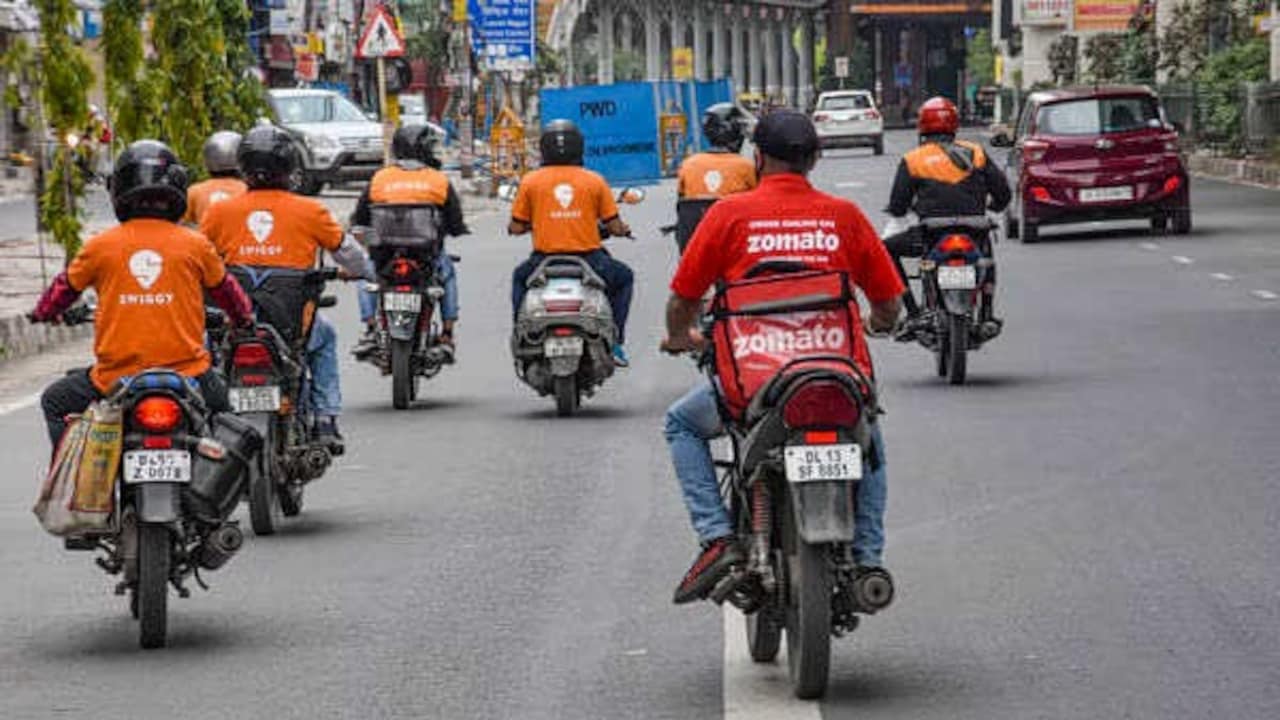
Worker unions argue that gig workers, who form the backbone of last-mile logistics, are facing worsening conditions. Among the grievances are falling earnings, unpredictable working hours, unsafe delivery targets, and arbitrary account suspensions. Many workers also highlight the lack of accident insurance, safety gear, and basic welfare protections.
Unions have demanded transparent pay structures that reflect actual working hours and costs, withdrawal of ultra-fast delivery models such as 10-minute deliveries that compromise safety, and an end to account suspensions without due process. They are also seeking mandatory rest breaks, assured work allocation, and stronger accident insurance coverage.
Impact on Platforms and Consumers
The strike is expected to significantly affect food delivery and e-commerce services during the holiday season. With millions of orders processed daily, platforms like Swiggy, Zomato, and Amazon may face delays and cancellations. Quick commerce services such as Zepto and Blinkit, which rely on ultra-fast delivery models, are likely to be hit hardest.
Industry experts warn that the disruption could highlight the growing tension between gig workers and platform companies. While consumers may face inconvenience, the strike underscores the urgent need for reforms in India’s gig economy.
Calls for Regulation and Social Security
Worker groups have long argued that gig workers should be recognized under labor laws and provided with social security benefits. The absence of formal protections leaves delivery partners vulnerable to income instability and workplace risks.
Experts believe that the strike could push policymakers to accelerate discussions on gig worker welfare, including accident insurance, pension schemes, and minimum wage guarantees. The outcome of these protests may shape the future of India’s rapidly expanding gig economy.
Union Leaders Speak Out
Representatives from the Telangana Gig and Platform Workers Union stated that the strike is not just about pay but about dignity and safety. “We are risking our lives daily to meet unrealistic delivery targets. It is time companies recognize our contribution and provide fair treatment,” one union leader said.
The Indian Federation of App-Based Transport Workers added that arbitrary ID blocking and lack of due process have left many workers without income. They emphasized that the strike is a collective call for accountability from platform companies.
Looking Ahead
As the strike unfolds, both companies and regulators will be under pressure to respond. The protests highlight the growing demand for sustainable working conditions in India’s gig economy, which employs millions of workers nationwide. Whether these strikes lead to meaningful reforms remains to be seen, but the message from workers is clear: they want safety, security, and respect.