
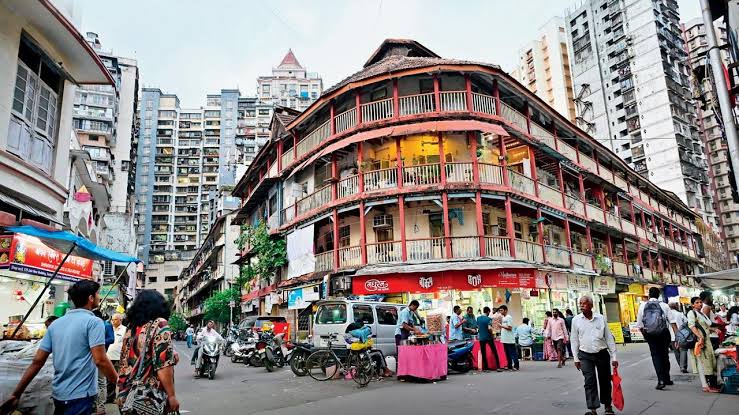
Girgaon’s Chawls Face Redevelopment Wave
Girgaon, Mumbai’s first suburb and the birthplace of the sarvajanik Ganeshotsav, is undergoing a dramatic transformation. Historic chawls, once buzzing with Marathi culture, are being replaced by high-rise towers. With each demolition, the city loses more of its community charm.
The Heart of Ganeshotsav at Risk
For over a century, Mohun Building in Thakurdwar has celebrated Ganeshotsav in its spacious courtyard. But this could be its last. Redevelopment talks are underway, and once the chawl is replaced by a tower, its traditional Ganpati Mandal may vanish.
Architect-urban planner Mihir Vaidya explains that Girgaon’s wadis once allocated 35% of space to community activities. In contrast, new projects set aside just 10%. Without open courtyards, large-scale festivities may disappear.
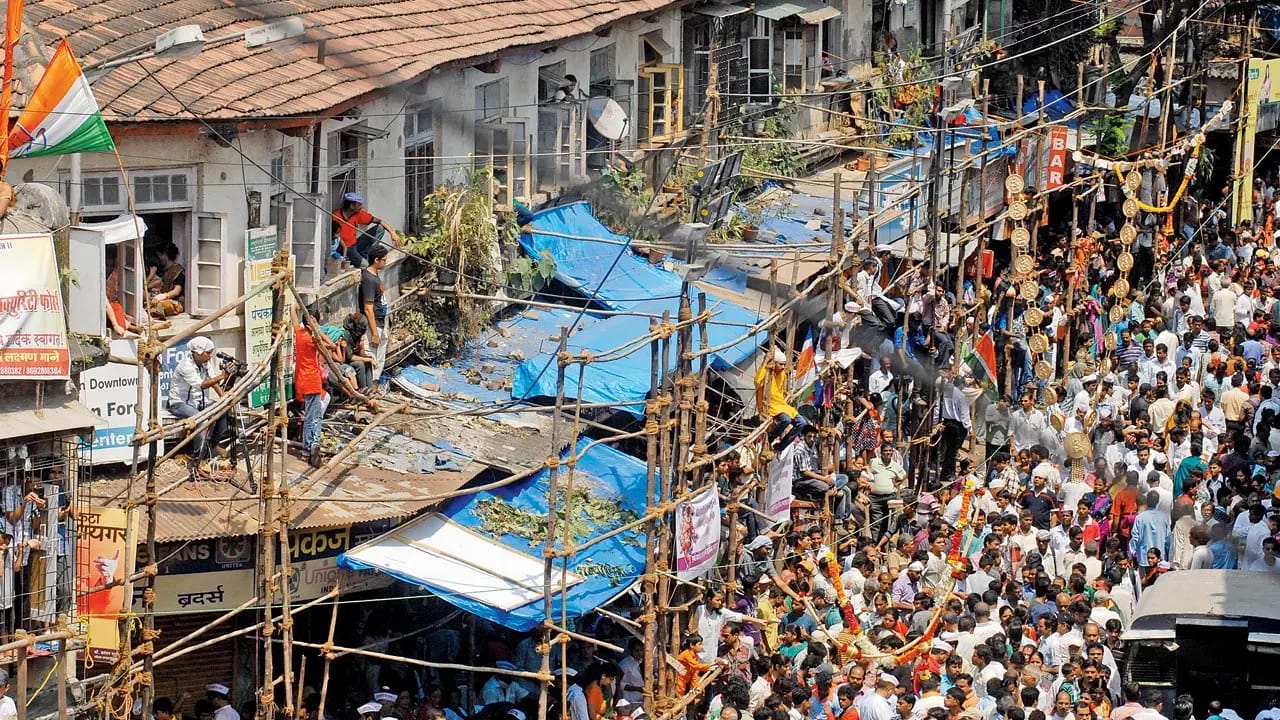

Girgaon’s chawls were designed for social connection. Verandahs overlooked open spaces where neighbours met daily. This layout nurtured unity, making Girgaon a hub for freedom movement rallies and cultural events. Today, only about 80 chawls remain in the area (MHADA data).
A Cultural Shift
As redevelopment accelerates, Marathi families are moving to suburbs. Many leave for larger, modern homes or sell their new flats post-redevelopment. In their place, business communities like Marwaris and Gujaratis have moved in, changing the local food and festival culture.
Once-famous eateries like Anantashram have shut. Others, like Golden Star Thali, have switched to vegetarian menus. Even historic bakeries such as Daryush and Ideal have gone eggless to meet changing demand.
Non-Vegetarian Ban and Social Divide
Some newly redeveloped towers bar non-vegetarian residents or shops. This shift affects the Marathi community’s food traditions. Archaeologist Kurush Dalal notes this is happening across Mumbai, not just in Girgaon.
Redevelopment often divides residents physically and socially. Original chawl families may be placed on lower floors, with separate lifts from new buyers. The close-knit bonds of chawl life get replaced by isolation.
Self-Redevelopment: A Ray of Hope
Keshavji Naik chawl, the birthplace of sarvajanik Ganeshotsav, is taking a different path — self-redevelopment. Here, residents control decisions, preserve community spaces, and cap building height. This ensures their 132-year-old Ganpati Mandal survives.
Architect Vaidya suggests government policies to promote such models. Lower FSI in heritage zones and cluster redevelopment can help balance growth and culture.
Preserving Girgaon’s Soul
Retro-fitting chawls with toilets and better maintenance could slow the exodus. In places like Jitekar Wadi, where amenities are already upgraded, residents have chosen to stay.
Girgaon’s transformation is inevitable, but with thoughtful planning, it can retain its unique cultural identity. The spirit of Ganeshotsav, the aroma of kheema pao, and the sound of neighbours chatting in verandahs need not vanish into history.
Key Facts
- 35% — Community space in old Girgaon chawls
- 10% — Community space in new projects
- 80 — Number of chawls left in Girgaon (MHADA)
- 132 years — Age of Keshavji Naik Ganpati Mandal