
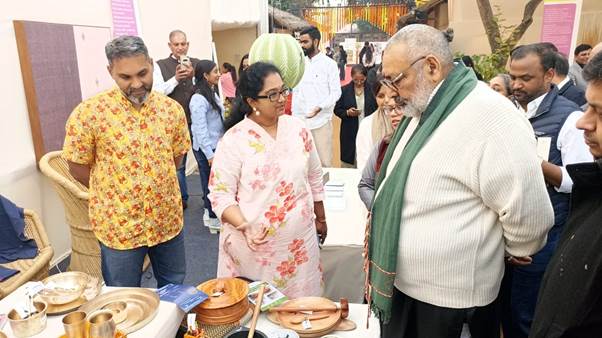
Union Minister of Textiles Shri Giriraj Singh on Friday inaugurated ‘Crafted for the Future’, a national-level exhibition at the National Craft Museum in New Delhi, underscoring the enduring relevance of India’s traditional crafts in a rapidly changing, sustainability-focused world. The exhibition, organised by the Office of the Development Commissioner (Handicrafts) under the Ministry of Textiles, places India’s artisans and material traditions at the centre of contemporary living and ecological responsibility.
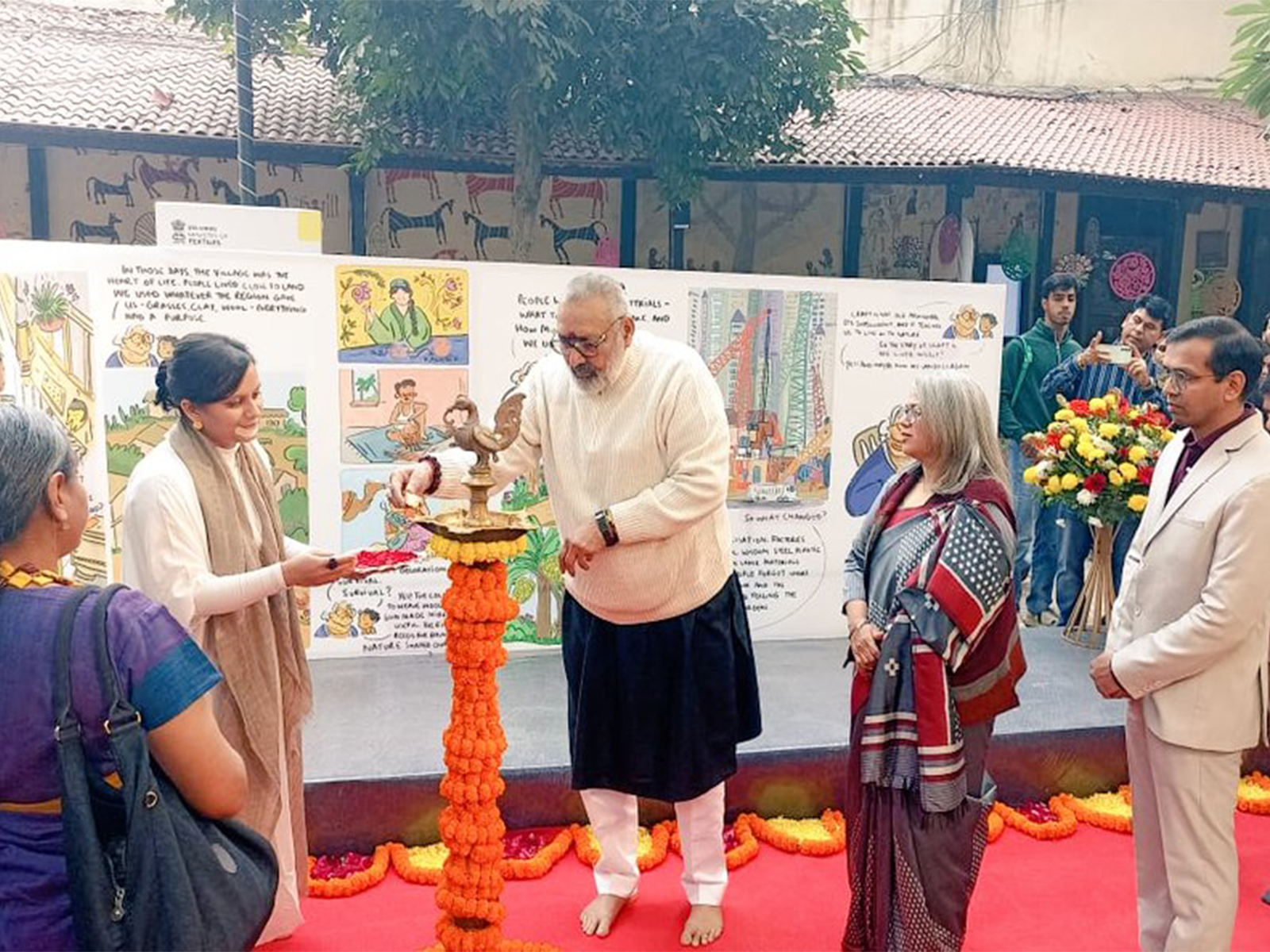

Speaking at the inauguration, Shri Giriraj Singh emphasised that India’s youth are increasingly reconnecting with traditional crafts while reimagining them for global markets. He noted that contemporary interpretations of age-old skills are helping Indian artisans reach international audiences without losing their cultural roots.
The minister reiterated the government’s commitment to supporting artisans through policy interventions, skill development, market access, and international exposure. According to him, Indian crafts are not relics of the past but living systems that can drive sustainable economic growth and cultural diplomacy.
Dignitaries Highlight Craft as a Living Force
The inauguration ceremony was attended by several eminent personalities, including Ms. Amrit Raj, Development Commissioner (Handicrafts), Ministry of Textiles; Ms. Radhika Kaul Batra, Chief of Staff at the United Nations Resident Coordinator’s Office in India; noted ecological restorer Ms. Padmavati Dwivedi; and Swami Prem Parivartan, popularly known as Peepal Baba, founder of the Give Me Trees Trust.
Ms. Amrit Raj highlighted that safeguarding India’s craft wisdom is not about preserving static traditions. She described craft as a living, breathing force that continues to shape the country’s social, cultural, and environmental future through innovation rooted in heritage.
Focus on Material Culture and Sustainability
‘Crafted for the Future’ is the third edition of the larger ‘Weave the Future’ series and places renewed emphasis on everyday material culture. The exhibition explores the intrinsic relationship between communities, local environments, and the materials used in daily life.
By showcasing artisans and material innovators from across India, the exhibition highlights practices grounded in ecological balance, regional identity, and deep material intelligence. The focus remains on regenerative materials and sustainable processes that align with global conversations on climate responsibility and conscious consumption.
Immersive Experiences for Visitors
Visitors to the exhibition can engage with immersive installations that trace the journey of everyday materials—from natural sourcing to finished products. A curated craft marketplace features artisans and collectives working with bamboo, wool, ceramics, natural dyes, embroidery, and food traditions rooted in local knowledge systems.
The programme also includes daily film screenings, live demonstrations, and interactive conversations focusing on material origins and craft processes. Hands-on workshops led by artisans and designers allow participants to experience traditional skills firsthand, though prior registration is required.
Encouraging Conscious Engagement
Beyond display and commerce, the exhibition aims to foster deeper public engagement with the origins of materials and the ecological knowledge embedded in craft traditions. Organisers believe such awareness can help shape more sustainable futures built on respectful relationships between makers, materials, and consumers.
Officials noted that initiatives like ‘Crafted for the Future’ strengthen India’s cultural economy while reinforcing the role of crafts in environmental stewardship and inclusive development.