
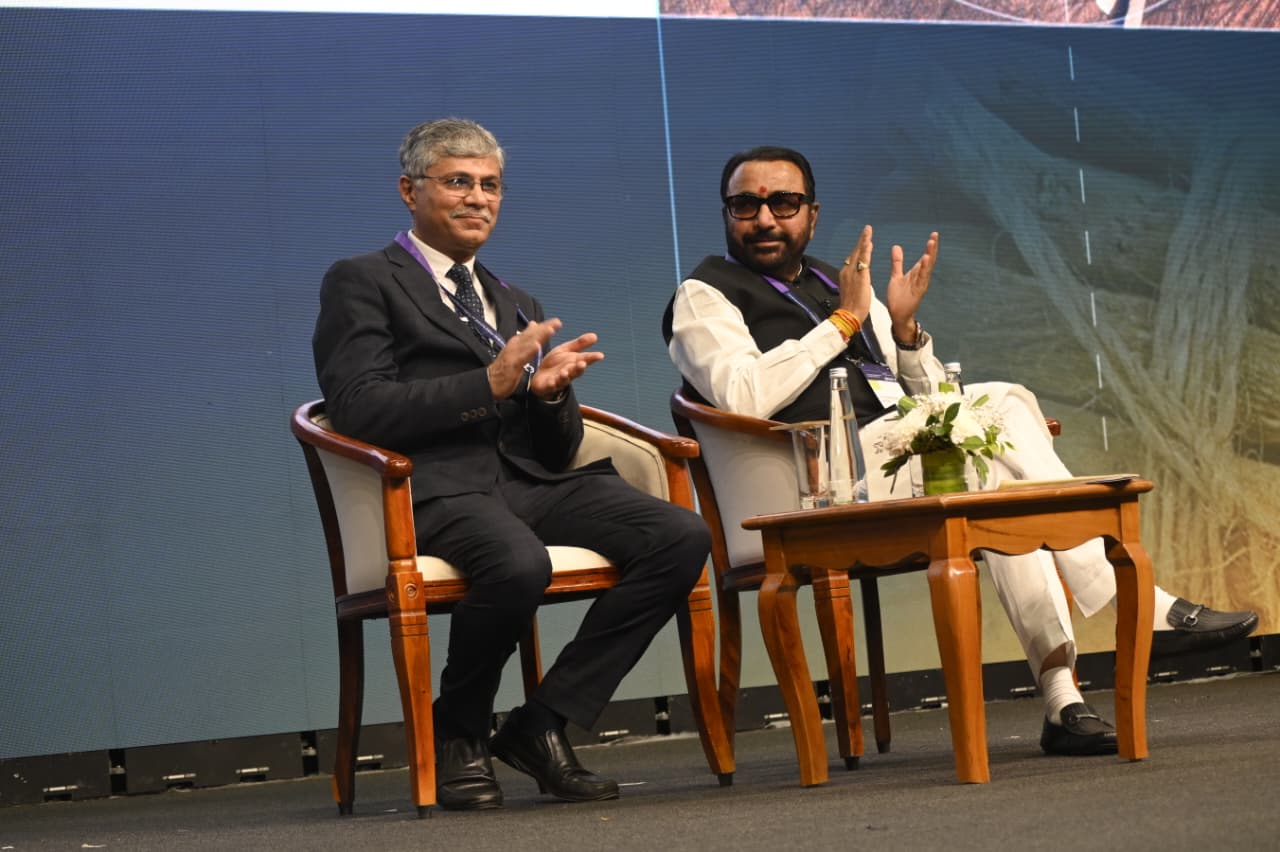
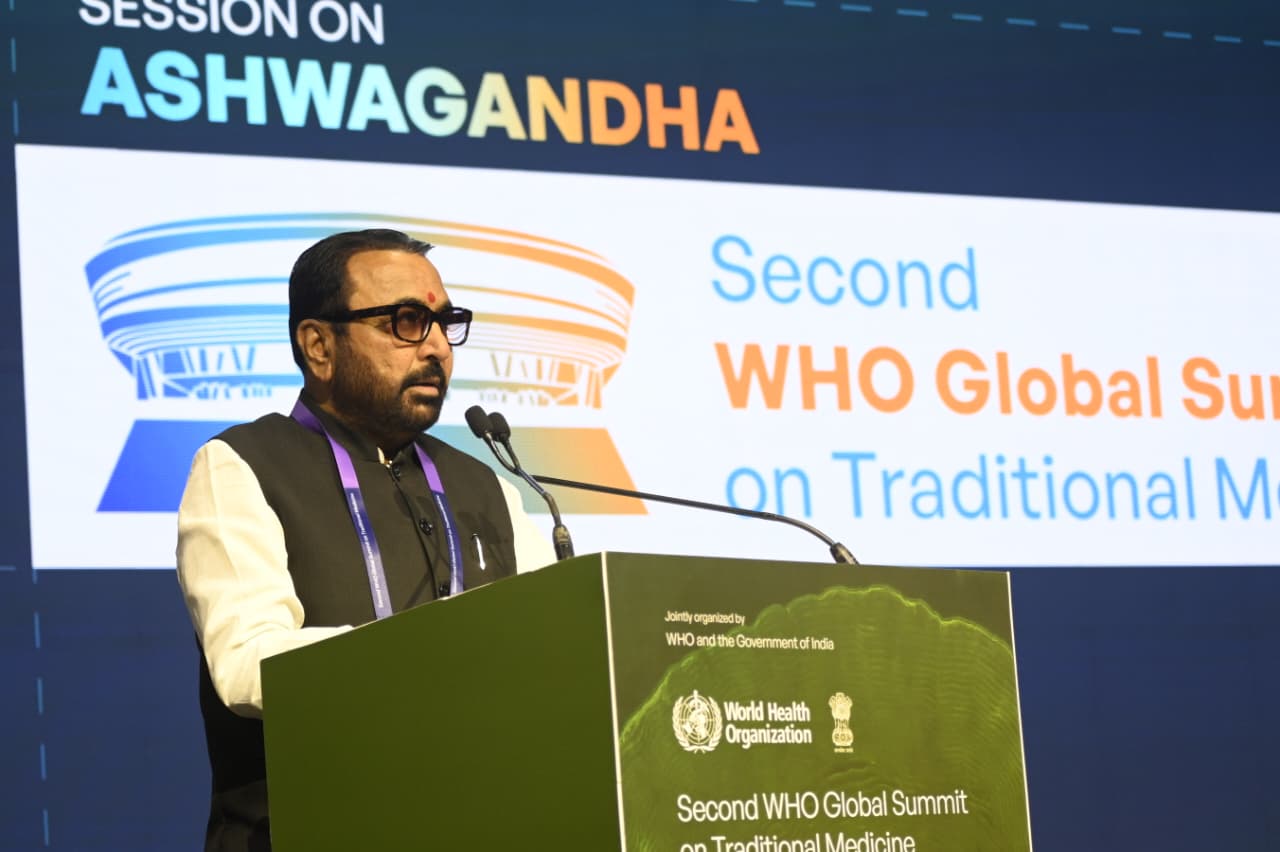

Titled “Ashwagandha: From Traditional Wisdom to Global Impact – Perspectives from Leading Global Experts,” the session was organised by the WHO Global Traditional Medicine Centre in collaboration with the Ministry of Ayush, Government of India. It was held at Bharat Mandapam, bringing together regulators, researchers, policymakers and traditional medicine practitioners.
The gathering reflected the growing international interest in traditional medicine systems and the need for structured dialogue to ensure safety, quality and efficacy in their global adoption.
From Ayurveda to Global Acceptance
With Ashwagandha gaining worldwide recognition for its adaptogenic, neuroprotective and immunomodulatory properties, discussions focused on bridging traditional knowledge with contemporary scientific frameworks. Experts stressed that its expanding global use must be supported by rigorous evidence.
Key areas of emphasis included preclinical and clinical research, pharmacovigilance, safety profiling and standardisation. Speakers highlighted that evidence-based validation is essential to gain the confidence of global regulators and healthcare systems.
Insights from Global Experts
The session was moderated by Dr. J.B. Gupta, Secretary of the World Ashwagandha Council, who guided discussions on harmonising traditional wisdom with scientific scrutiny. International experts offered diverse regulatory and research perspectives.
Dr. Roy Upton of the American Herbal Pharmacopoeia outlined global benchmarks for botanical identity, quality testing and therapeutic applications. Ms. Mari Lyyra of Medfiles Ltd, Finland, shared insights into Europe’s regulatory landscape and the increasing acceptance of Ashwagandha-based products.
Scientific Rigor and Regulation
Dr. Ikhlas Khan, Director of the National Center for Natural Products Research at the University of Mississippi, emphasised the importance of methodological rigor in natural product research. He noted that robust and reproducible evidence plays a decisive role in shaping regulatory approvals.
Representing the WHO Global Traditional Medicine Centre, Dr. Geetha Krishnan highlighted the need to balance promise with precaution. She stressed that while Ashwagandha shows significant therapeutic potential, global adoption must proceed with strong safety frameworks.
Consensus on Global Collaboration
An interactive panel discussion enabled candid exchanges among experts on harmonising international standards and fostering collaborative research. Participants agreed that global cooperation is essential to ensure consistent quality and efficacy of Ashwagandha formulations.
The session concluded with a shared consensus that sustained international partnerships are key to integrating Ashwagandha into conventional healthcare systems without diluting the integrity of traditional knowledge.
India’s Leadership in Traditional Medicine
The deliberations highlighted India’s pivotal role in shaping the global traditional medicine agenda. Through platforms such as the WHO Global Traditional Medicine Summit, India is positioning Ayurveda and other traditional systems within evidence-based global health discourse.
Looking Ahead
The WHO Global Traditional Medicine Summit continues to serve as a vital platform for dialogue, policy alignment and scientific collaboration. The focus on Ashwagandha reflects a broader global commitment to integrating traditional, complementary and integrative medicine into modern health systems.
As the summit concluded, experts agreed that Ashwagandha’s journey from ancient Ayurvedic texts to global healthcare frameworks symbolises the future of traditional medicine — rooted in heritage, strengthened by science and guided by global cooperation.