
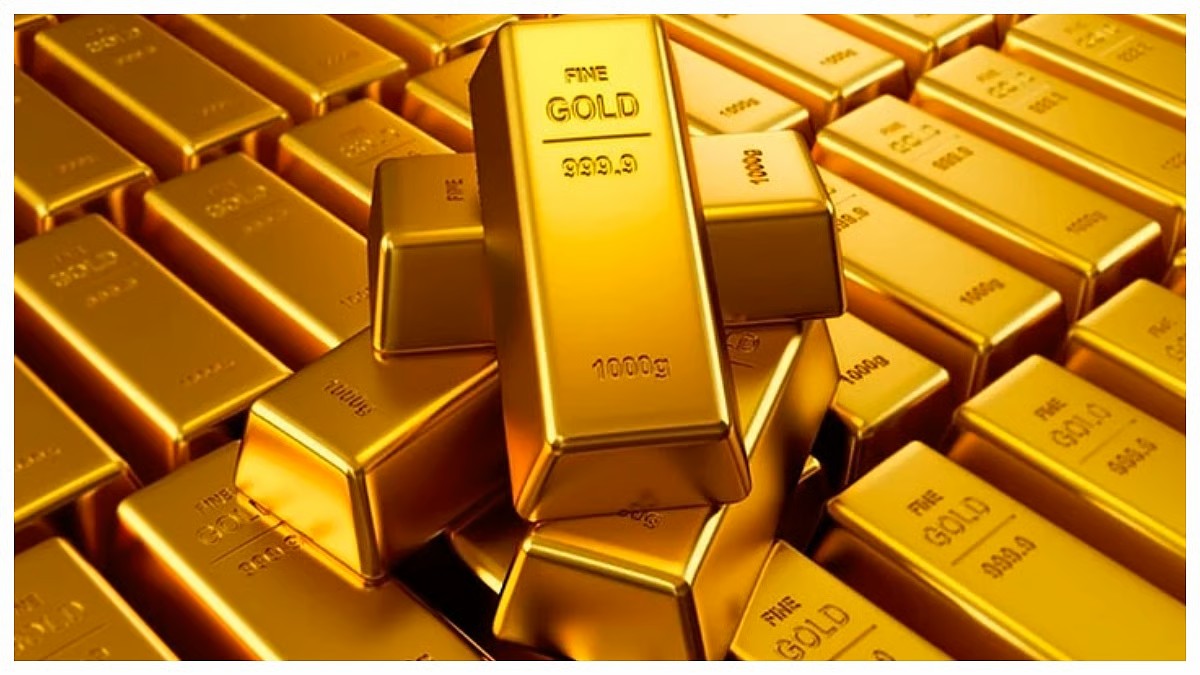
Factors Driving Gold Rally
Analysts cite multiple drivers behind the price surge. Central banks continue heavy bullion purchases, partly in response to frozen Russian assets after the 2022 Ukraine conflict. Additionally, slow growth in newly mined gold and increased retail investment, especially into gold-linked ETFs, has fueled demand.
Spot prices crossed $4,000/oz earlier this week, hitting historic highs and marking a more than 51% increase over the past year. Despite a temporary dip below $4,000 following a U.S.-brokered Israel-Hamas ceasefire, the market quickly recovered, reflecting ongoing geopolitical and economic uncertainty.
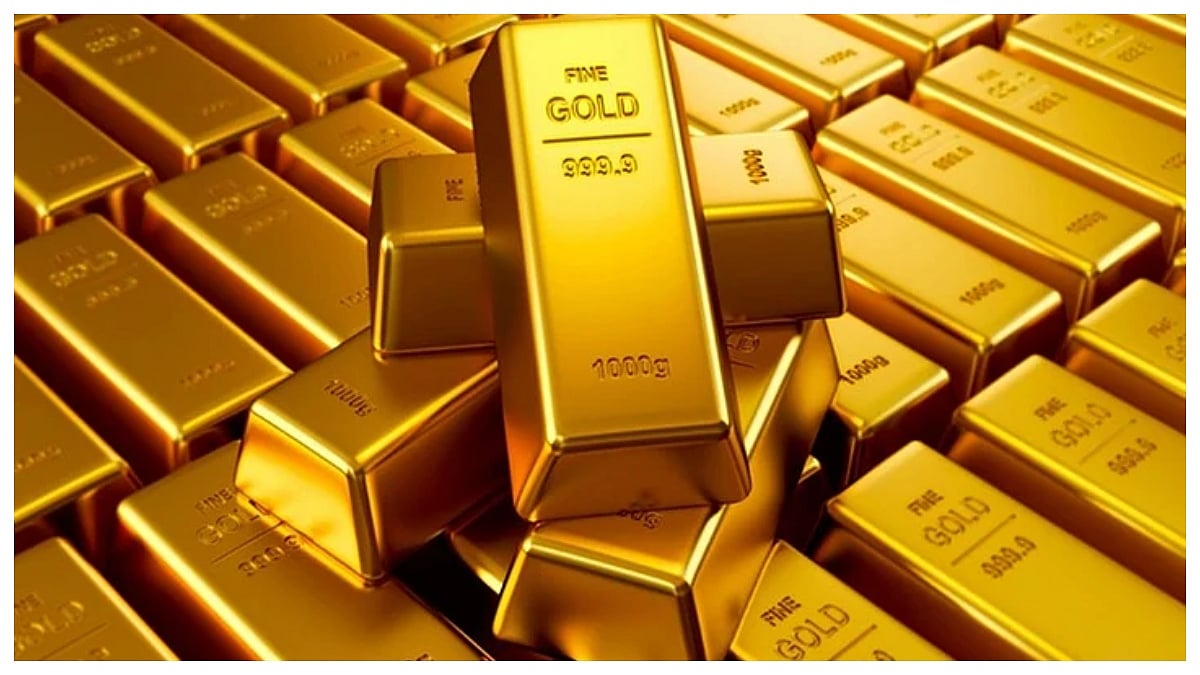

The recent Israel-Hamas ceasefire, part of a 20-point peace plan proposed by U.S. President Donald Trump, initially caused gold to slide. At the same time, delayed U.S. economic data contributed to uncertainty around Federal Reserve monetary policy. ANZ analysts noted that the overnight losses were largely profit-taking following a meteoric rise.
They added, “Structural drivers for gold remain in place. The Federal Reserve is expected to continue easing amid employment risks, while U.S. government delays encourage risk-averse investing, supporting gold prices.”
Expectations for U.S. Interest Rate Cuts
Investors remain positioned for a 0.25% Fed rate cut at the October 28-29 meeting, despite a lack of fresh economic data. Prolonged political deadlock in Washington has delayed key inflation statistics, although the Bureau of Labor Statistics plans to bring furloughed workers back to release the report.
Market watchers believe that any temporary weakness in gold will be short-lived, with safe-haven demand and expected monetary easing continuing to underpin prices.