
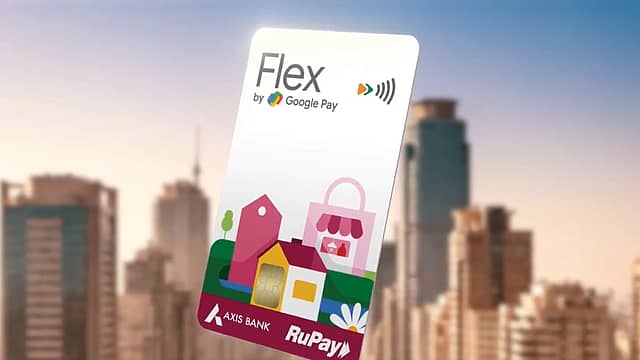

One of the standout features of the Google Pay credit card is its instant rewards mechanism. Unlike conventional credit cards where reward points or cashbacks are credited at the end of a billing cycle, Google Pay users earn rewards immediately after every transaction.
“You earn rewards instantly on every transaction, and you can use them on the very next payment,” said Sharath Bulusu, Senior Director and Product Manager at Google. According to him, UPI’s real-time architecture made this innovation possible.
RuPay-UPI Combination Gains Momentum
The RuPay-UPI credit card model has gained traction in recent years as it combines the ease of UPI payments with the benefits of credit cards, such as rewards and deferred payments. Visa and Mastercard credit cards are currently not supported on UPI, giving RuPay a strategic edge in the domestic market.
Both RuPay and UPI are operated by the National Payments Corporation of India (NPCI), which has played a key role in expanding digital payments across the country. More details on UPI and RuPay initiatives are available on the NPCI website at npci.org.in.
Intense Competition Among UPI Players
Google Pay’s entry intensifies competition in the co-branded credit card space. PhonePe, India’s largest UPI player, launched its RuPay credit card with HDFC Bank earlier this year and later partnered with SBI Cards to issue cards on both Visa and RuPay networks.
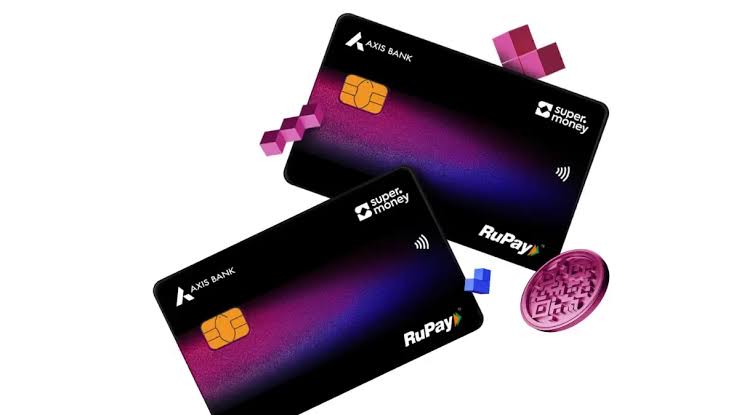
Paytm, which began monetising early, introduced its first co-branded credit card with Citibank in 2019, followed by partnerships with HDFC Bank and SBI. Other fintech platforms such as Cred and super.money have also rolled out UPI-linked credit cards.
Focus on Access to Credit
Bulusu noted that Google Pay did not want to rush into launching a credit card without solving key user pain points. He highlighted that only about one in five Indians currently has access to formal credit, presenting a massive opportunity for digital platforms.
“If a company can genuinely solve access to credit in a simple and responsible way, the market can be huge,” he said, adding that Google Pay’s approach was driven more by user experience than short-term metrics.
Flexible Repayment Options
Another notable feature of the Google Pay credit card is repayment flexibility. Users can choose to pay their monthly dues in EMIs over six or nine months, offering relief to customers who prefer predictable repayment schedules.
Google said it invested significant effort in simplifying EMI options, as flexibility and clarity in repayments are among the most important factors for Indian consumers using credit products.
How It Fits into Google Pay’s Portfolio
Google Pay already offers the Axis Bank-backed Ace credit card on the Visa network. However, the new RuPay card differs in structure, as it is a fully co-branded product aligned with RBI guidelines and designed specifically for UPI-based usage.
With instant rewards, UPI integration, and flexible repayments, the card aims to strengthen Google Pay’s position in India’s competitive fintech landscape while supporting the broader goal of digital financial inclusion.