
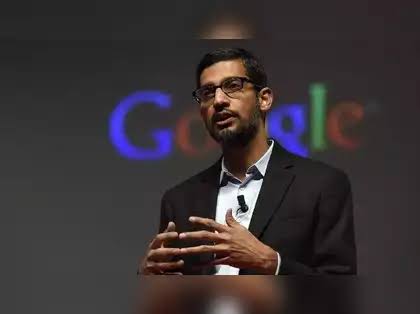
Google is betting big on the future of AI-assisted coding. In a surprising $2.4 billion licensing deal, it has secured key technologies and talent from Windsurf, a rising AI startup led by Varun Mohan.
This strategic move is not just about access to tech—it’s about people. Google is bringing Varun Mohan and top R&D minds from Windsurf to accelerate its Gemini and DeepMind AI projects.
Windsurf’s Rise: A Game-Changer in “Vibe Coding”
Windsurf, co-founded by Mohan and Douglas Chen, became famous for “vibe coding”—a more intuitive and interactive form of coding powered by AI. It’s not just autocomplete. It’s collaboration.
According to The Verge, Windsurf’s model adapts to a developer’s workflow, suggesting design patterns and helping debug logic. This approach has attracted developers across the globe, making Windsurf a rising star in the coding AI ecosystem.

This isn’t an acquisition. Windsurf stays independent. But Google now holds a non-exclusive license to key parts of its intellectual property. That means Google can build with the tech, while Windsurf continues enterprise development.
As part of the deal, Mohan and several Windsurf developers have joined Google DeepMind. Their mission: accelerate work on “agentic coding,” where AI behaves more like a co-pilot than a helper.
OpenAI’s Miss, Google’s Gain
This move is a direct blow to OpenAI. The company was reportedly in exclusive talks to acquire Windsurf earlier this year for $3 billion. But those talks fell through. Now, with that exclusivity window closed, Google stepped in.
An OpenAI spokesperson confirmed the development but offered no further comments. The shift signals how fierce the AI talent wars have become.
AI Coding Battle: Google, Microsoft, Meta in Full Swing
AI-assisted development is the next big battleground. Microsoft is already ahead, claiming that 30% of its code is written by AI. Its “Agent Mode” in Visual Studio Code is driving that success.
Meta has also entered the race, hiring Scale AI founder Alexandr Wang to lead its AI strategy and investing $14.3 billion into the segment.
Google, meanwhile, is integrating Windsurf’s tools into Gemini, its next-gen AI platform. Previous hires from Character.AI already hinted at this direction. The Windsurf move just confirms Google’s ambition to dominate AI coding.
Inside the Deal: What’s Next for Windsurf?
Windsurf will continue to serve enterprise clients. Its interim CEO, Jeff Wang, said the company remains committed to improving its core product for business users.
However, the shift of its top minds to Google marks a new phase. Google now has the talent and the tech to push agentic AI development to new levels.
What It Means for Developers and the Industry
This move could redefine software development. With agentic coding, developers might soon rely on AI partners that suggest, test, and deploy code almost independently.
It’s not just productivity. It’s transformation. Developers could spend less time on syntax and more on creative architecture. Tools born from this deal could reach millions of developers through Google Cloud and Android Studio integrations.
Conclusion: A Bold Leap into the Future
In the fast-evolving AI space, Google’s $2.4B investment is a bold leap. Windsurf’s “vibe coding” might just be the blueprint for the next generation of software development.
While the tech remains non-exclusive, Google’s access to the talent gives it a distinct edge. The AI coding wars are no longer in the future—they’re happening now.