
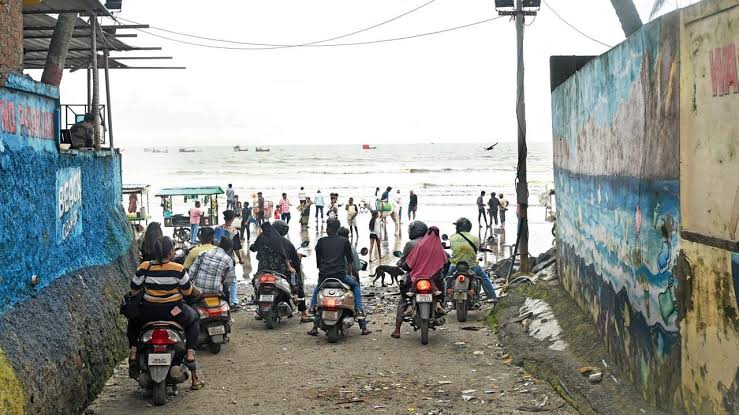
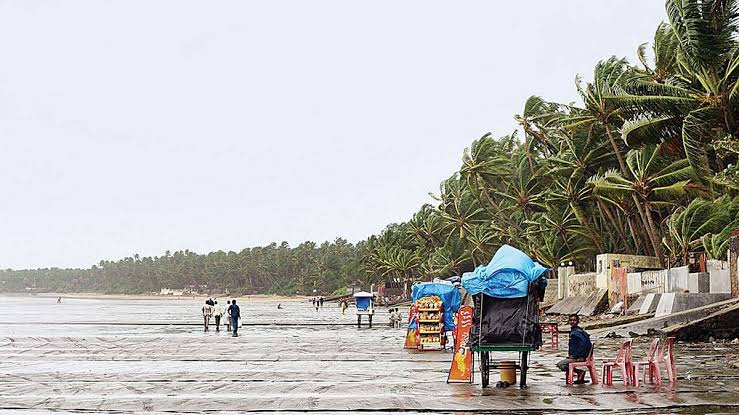

Following the incident, officials from BMC’s R Central Ward installed barriers at both entrances of Gorai beach. At one point, steel bollards were fixed, while at another, logs and barricades were used to stop vehicles. The goal, officials said, was to prevent accidents caused by cars and vans entering the beach during unsafe tidal conditions.
However, the barricades were removed within days after mounting criticism from residents. Locals argued that the structures would block ambulances, fire engines, and garbage trucks, posing greater risks than the problem they aimed to solve.
Locals Voice Concerns
“If an accident happens on the road, the whole road is not shut down. Similarly, blocking all vehicles from entering the beach is not a viable solution,” said Switsy Henriques, president of the Gorai Villagers Welfare Association. She pointed out that in emergencies such as drowning, ambulances would be unable to access the site quickly.
Echoing these concerns, Rossi D’Sousa from the Gorai Gaothan Panchayat said resorts along the beach would be at risk if fires broke out, since fire engines could not pass through the barriers. He added that even daily BMC garbage collection and beach-cleaning trucks would be obstructed, impacting public hygiene.
Impact on Fisherfolk
Local fisherfolk also raised objections, noting that they often use vehicles to carry heavy fish loads and ice. “We know the tides and timings. It is unfair to ban us along with leisure visitors,” a resident said. The restrictions, they argued, punish those whose livelihood depends on beach access.
Suggested Alternatives
Rather than outright bans, residents have demanded controlled-access solutions. “Boom barriers or boom gates would work better. A guard could then allow vehicles with genuine purposes like fishing, cleaning, or emergencies while stopping tourists’ cars,” D’Sousa explained.
The debate highlights the tension between public safety and community needs. While barricades may reduce risks of accidents, locals insist that blanket bans undermine essential services and livelihoods.
BMC Yet to Respond
Despite growing concerns, BMC has not announced a long-term plan for beach safety. Officials did not respond to queries about whether controlled-access solutions would be implemented in the future.
Until then, residents remain watchful, balancing the dangers of vehicular access with the need for emergency preparedness and livelihood protection. The incident has reignited calls for smarter urban management at Mumbai’s coastal hubs.