
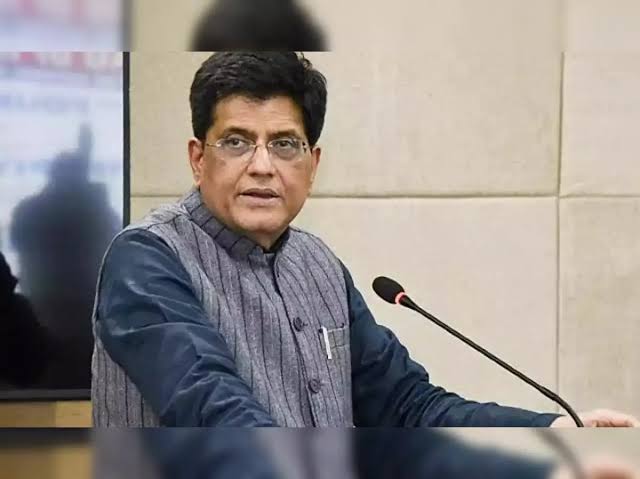
In a thoughtful and constructive exchange between the government and industry leaders, the Department for Promotion of Industry and Internal Trade (DPIIT) hosted a stakeholder consultation meeting in New Delhi to discuss the implementation of the Horizontal Quality Control Order (QCO) on the safety of household and commercial electrical appliances. The meeting, held on May 15, 2025, saw widespread participation from prominent industry associations and was marked by a spirit of collaboration and mutual understanding.
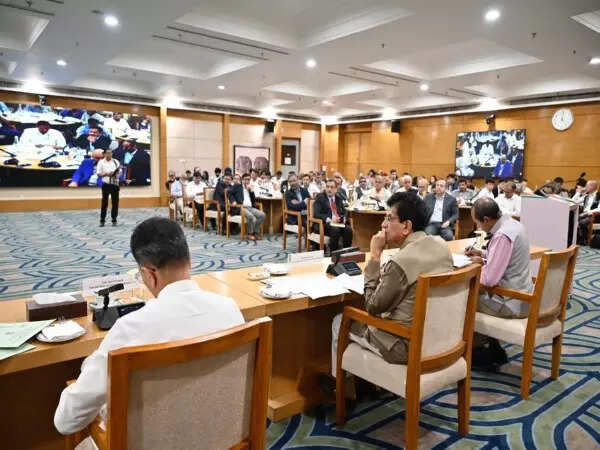

Union Minister of Commerce and Industry, Shri Piyush Goyal, addressed the gathering with optimism and empathy, acknowledging the concerns raised by manufacturers while reiterating the government’s commitment to consumer safety and industry competitiveness. He emphasized that every QCO introduced so far has gradually gained the trust and support of the sectors involved. By enhancing product standards and ensuring the safety of goods sold in India, QCOs have not only safeguarded consumers but have also empowered Indian manufacturers to tap into global markets with greater confidence.
Industry representatives expressed their broad support for the QCO initiative, recognizing its role in elevating the quality of products. However, they candidly shared the practical challenges faced in complying with the updated standards, especially concerning IS 302 (Part 1): 2024 and IEC 60335-1: 2020. Key issues included ambiguity around battery-operated and DC appliances, a lack of accredited testing labs for all items on the illustrative list, delays in obtaining BIS certification, and difficulties dealing with legacy stock under the new compliance norms.
The industry also put forth constructive suggestions, including a phased rollout starting with finished goods, followed by components and raw materials, to account for the complexities of global supply chains. They recommended aligning compliance timelines with available domestic manufacturing capacities and existing technologies. Concerns regarding e-commerce restrictions on non-BIS-marked legacy products were also voiced.
Shri Goyal responded with empathy, assuring participants that the government would seriously consider extending the implementation timeline and addressing concerns about legacy stock. He encouraged the industry to contribute proposals for setting up additional modern testing facilities in public-funded labs, public sector enterprises, and state institutions to ensure that testing infrastructure becomes more accessible and robust across the country.
Minister of State for Commerce and Industry, Shri Jitin Prasada, echoed this collaborative spirit, affirming that the Ministry remains committed to a consultative approach in policy implementation. He emphasized the importance of ensuring that the ‘Made in India’ label continues to symbolize safety, quality, and trust on the global stage.
DPIIT reaffirmed its commitment to preparing the sector for the smooth rollout of QCOs by working closely with the Bureau of Indian Standards (BIS) to strengthen the certification and testing ecosystem. The focus remains on making the process streamlined and affordable, especially for India’s Micro, Small, and Medium Enterprises (MSMEs).
The meeting reflected the government’s dedication to building a self-reliant India (Aatmanirbhar Bharat) while listening attentively to the voices of industry stakeholders. With shared goals and a spirit of cooperation, both the government and the industry are working together to ensure that Indian products are safe, competitive, and world-class.