New Delhi: In a significant regulatory action, the Indian government has banned more than 20 OTT platforms, including popular names like Ullu, ALTT, and Desiflix. These platforms were accused of streaming content that is “obscene, vulgar, and in some cases, pornographic” in nature.
Why Were These OTT Platforms Banned?
The Ministry of Information and Broadcasting directed Internet Service Providers (ISPs) to disable access to these apps and websites in India. The government cited violations of Indian laws, particularly the Indecent Representation of Women (Prohibition) Act, 1986, and the Information Technology Act, 2000.
According to officials, the content hosted on these platforms was not only in poor taste but also lacked age restrictions or parental controls. Some shows allegedly glorified sexual violence and objectification of women, prompting serious legal and ethical concerns.
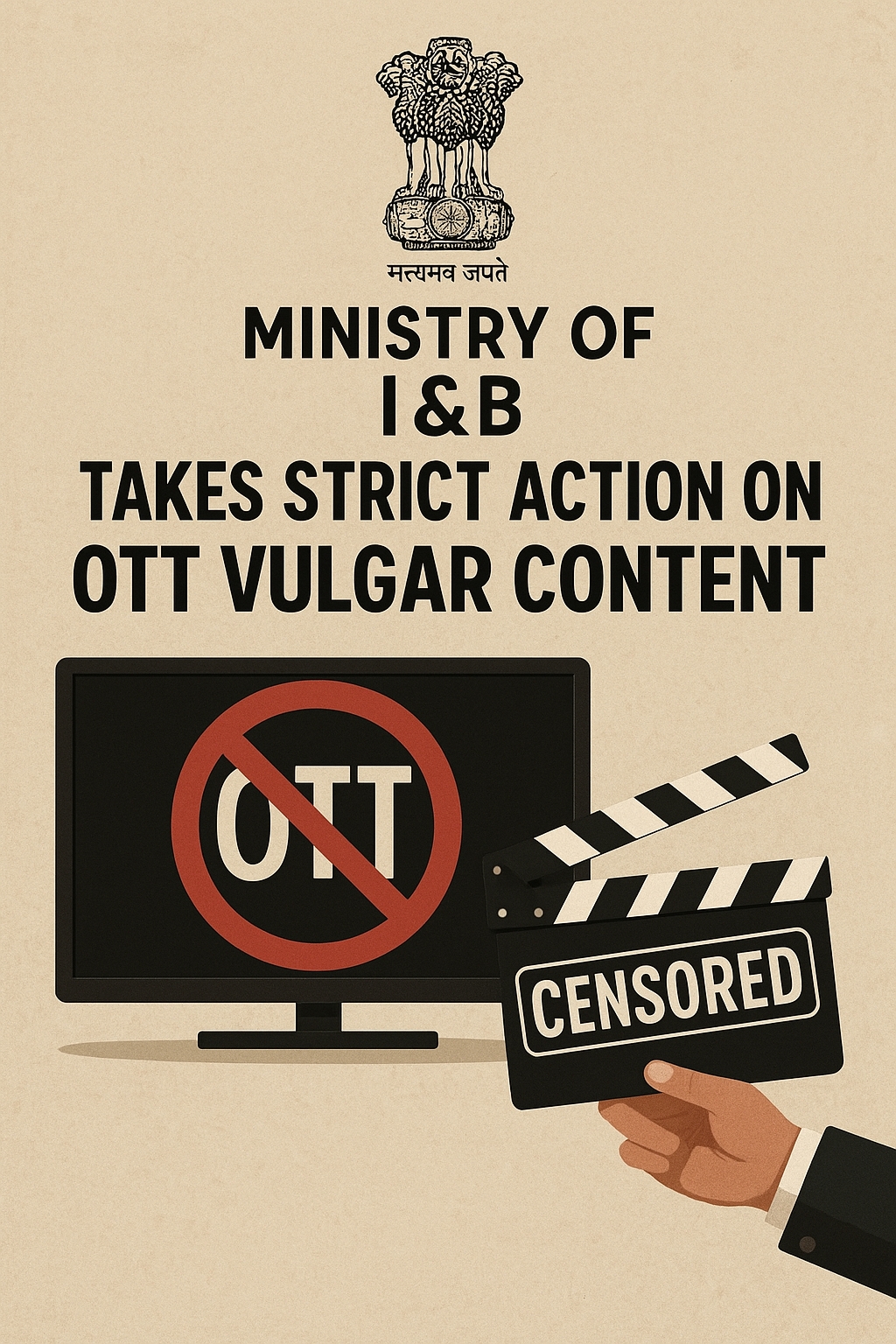


Although the full list hasn’t been publicly disclosed, sources within the Ministry confirmed that platforms such as Ullu, ALTT (formerly ALTBalaji), Desiflix, NeonX, PrimePlay, and Rabbit Movies are among those banned. These platforms had gained popularity for their erotic web series, many of which had little to no censorship or disclaimers.
What the Govt Stated
In its official release, the Ministry said: “These platforms were consistently violating legal provisions by publishing and distributing obscene material. Multiple public complaints and social media reports led to an internal review which confirmed the violations.”
The government also emphasized its responsibility to maintain “digital decency” and “ethical entertainment standards” on the internet.
Public Response and Industry Debate
The decision has sparked mixed reactions. While many citizens welcomed the move as long overdue, calling it “cleaning up digital garbage,” others have raised concerns about freedom of expression and government censorship in the digital entertainment space.
Digital rights activists argue that a clearer content classification framework, similar to OTT self-regulatory bodies like the Internet and Mobile Association of India (IAMAI), might be more effective than outright bans.
Legal and Ethical Precedents
This is not the first time the government has cracked down on digital content. In 2021, the government introduced the Information Technology (Intermediary Guidelines and Digital Media Ethics Code) Rules to regulate OTT platforms. These rules mandated age classification, parental control, and grievance redressal mechanisms.
However, enforcement has remained lax, leading to content creators continuing unchecked publishing of explicit content. This recent ban appears to be a stricter warning to digital platforms to comply or face complete shutdown.
What Happens Next?
ISPs have already started disabling access to the banned platforms. Users trying to open these apps or websites are now seeing error messages. It’s likely that app stores will also remove these apps from Indian servers in compliance with the government directive.
The Ministry has also hinted that more platforms may face action if they fail to adhere to ethical and legal guidelines.
Impact on the OTT Industry
The OTT sector in India has seen explosive growth in recent years, providing a platform for edgy and experimental content. However, this ban underlines the need for creators and producers to exercise responsibility. With increasing scrutiny, platforms must now strike a balance between creativity and compliance.
Conclusion
While the ban on Ullu, ALTT, and others aims to preserve public morality, it opens up a wider debate on censorship, freedom, and regulatory mechanisms. The government has made it clear: digital platforms must operate within the bounds of decency and legality.
As the dust settles, the future of OTT content in India might see a pivot toward self-regulation, age-appropriate content, and stronger editorial accountability.