Once the monthly allocation is communicated, the State Department of Agriculture issues instructions for onward distribution to cooperative societies, dealers, and retailers. The system is designed to ensure that fertilizers reach farmers at the right time during critical cropping seasons.
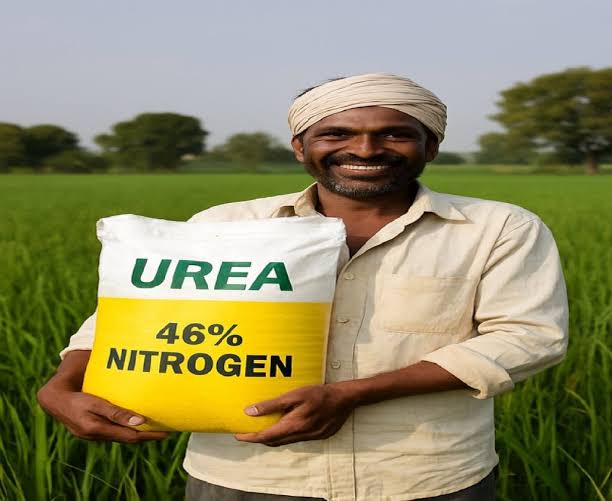 District-wise Urea Supply in Rajasthan
Detailed district-wise data submitted to Parliament shows the quantity of urea supplied by IFFCO and KRIBHCO to Rajasthan over the last three years and the current agricultural year. The figures highlight sustained supply across major agrarian districts including Ganganagar, Hanumangarh, Kota, Nagaur, Jaipur, and Jhalawar.
In 2025–26 (up to January 31, 2026), IFFCO supplied over 5.23 lakh metric tonnes of urea to Rajasthan, reflecting an increase compared to previous years. KRIBHCO, during the same period, supplied more than 1.03 lakh metric tonnes, reinforcing the cooperative sector’s role in fertilizer distribution.
Seasonal Planning and Digital Monitoring
Before the start of each cropping season, the Department of Agriculture and Farmers Welfare (DA&FW), in consultation with State Governments, assesses the month-wise and state-wise requirement of fertilizers. Based on this assessment, the Department of Fertilizers issues monthly supply plans and continuously monitors availability.
The movement and availability of all major subsidized fertilizers, including urea, are tracked through the Integrated Fertilizer Management System (iFMS), a web-based digital platform that enables real-time monitoring across the country.
In addition, weekly video conferences are jointly conducted by DA&FW and the Department of Fertilizers with State Agriculture officials. These meetings help identify gaps and facilitate corrective actions to ensure uninterrupted fertilizer supply, including in aspirational and underserved districts such as Jhalawar–Baran.
Strengthening Cooperative Distribution Network
The Government has undertaken several structural, digital, and financial measures to strengthen the cooperative fertilizer distribution network. A key initiative is the transformation of fertilizer retail outlets, including Primary Agricultural Credit Societies (PACS), into Pradhan Mantri Kisan Samriddhi Kendras (PMKSKs).
Over 38,000 PACS are currently functioning as PMKSKs, offering farmers a single-window access to fertilizers, seeds, pesticides, soil testing, and advisory services.
‘Bharat’ Brand and Farmer-Friendly Reforms
To eliminate brand confusion and streamline fertilizer distribution, all subsidized fertilizers—Urea, DAP, NPK, and MOP—are now supplied under a single brand name, “Bharat”, with a unified logo under the Pradhan Mantri Bhartiya Janurvarak Pariyojna (PMBJP).
This reform, combined with iFMS-based monitoring and cooperative education and empowerment campaigns, is aimed at improving transparency, efficiency, and farmer confidence in the fertilizer supply chain.
Ensuring Access for Small and Marginal Farmers
The Government has emphasized that these initiatives are designed to ensure easy access to fertilizers for small and marginal farmers, particularly in remote and underserved regions. Cooperative societies continue to play a central role in last-mile delivery.
With coordinated planning, digital oversight, and cooperative-led distribution, KRIBHCO and IFFCO remain key pillars in supporting India’s agricultural productivity and food security.