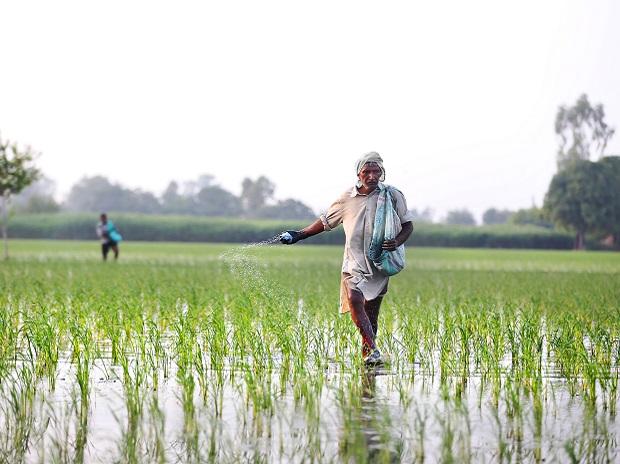
The Government of India has successfully ensured adequate availability of urea and other fertilizers across the country during the Kharif 2025 season. Through proactive planning and seamless coordination among the Department of Fertilizers (DoF), Indian Railways, ports, state governments, and fertilizer companies, the government met and exceeded national demand, guaranteeing timely access for farmers.
Urea Supply Exceeds National Requirement
According to the Department of Fertilizers, against a projected national requirement of 185.39 lakh metric tons (LMT) of urea, the total availability stood at 230.53 LMT. Actual sales during the season were recorded at 193.20 LMT, leaving a comfortable buffer. Farmers reportedly used 4.08 LMT more urea than in Kharif 2024, reflecting increased cultivation due to a good monsoon and improved fertilizer accessibility.
 Imports Boost Stock for Rabi 2025-26
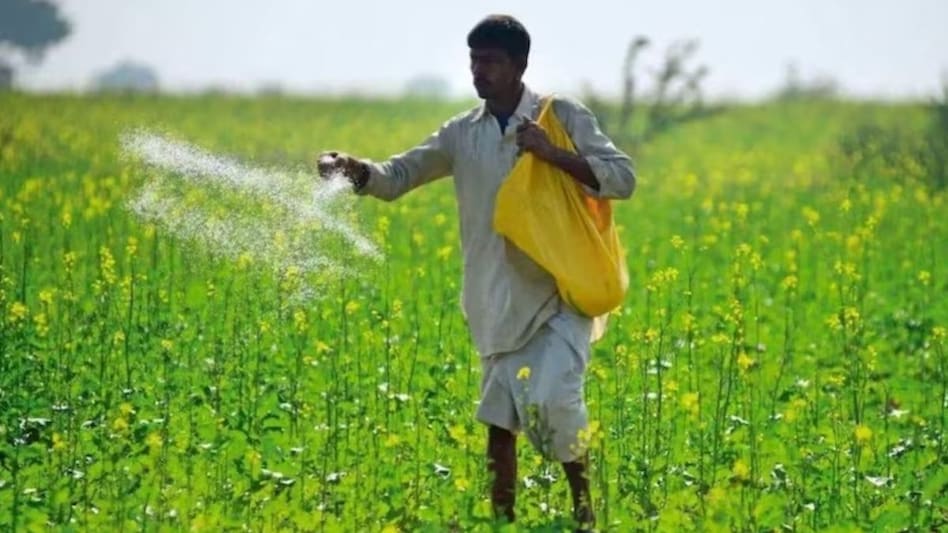
To close the gap between domestic production and rising consumption, the government significantly ramped up imports. Between April and October 2025, India imported 58.62 LMT of agricultural-grade urea, more than double the 24.76 LMT imported during the same period in 2024. This surge not only met Kharif demand but also built a healthy buffer for the upcoming Rabi 2025-26 season.
Urea stock across the country grew from 48.64 LMT on October 1, 2025, to 68.85 LMT by October 31, 2025, marking an impressive rise of 20.21 LMT. The July–October period also recorded the highest-ever rake movements of urea to states, underscoring the Centre’s commitment to efficient logistics and timely farmer support.
Strong Domestic Production Performance
Domestic production of urea remained robust during the period, with output in October 2025 reaching 26.88 LMT an increase of 1.05 LMT compared to October 2024. The average monthly production from April to October 2025 stood at approximately 25 LMT. Further, imports of around 17.5 LMT have already been lined up for November and December to maintain momentum and stabilize the domestic supply chain.
Expanding Capacity for Self-Reliance
The DoF continues to pursue long-term goals of achieving Atmanirbharta in urea production. Two major urea projects at Namrup (Assam) and Talcher (Odisha) each with a capacity of 12.7 LMT per annum, are under active execution. Several additional proposals aimed at enhancing domestic capacity are currently under consideration, which will substantially reduce India’s reliance on imports in the coming years.
State-Level Vigilance and Digital Monitoring
Working with the Department of Agriculture, state governments have intensified vigilance to prevent diversion, hoarding, or black marketing of subsidized urea. Many states have adopted digital tracking systems and innovative monitoring tools to improve transparency and ensure that fertilizer reaches genuine farmers on time.
These coordinated actions underscore the Centre’s commitment to balancing production, import, and distribution to maintain fair and equitable access to fertilizers across all agricultural regions.
Ensuring Food Security Through Forward Planning
Through timely intervention, strong logistics, and collaborative efforts, the government has ensured that every farmer receives adequate urea supplies during Kharif 2025. The buffer stock now in place positions the country strongly for the Rabi 2025-26 season, reinforcing India’s food security and supporting the agricultural economy.