 Why the Government Reviewed Rice Fortification
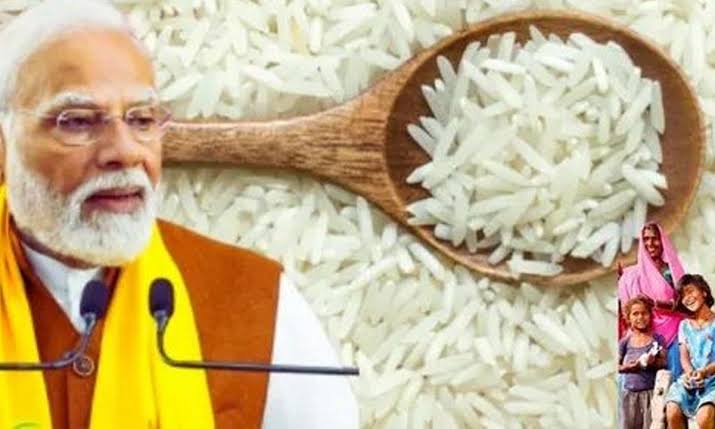
Rice fortification was introduced to address micronutrient deficiencies by blending fortified rice kernels (FRK) with regular rice distributed under welfare schemes. However, concerns emerged regarding the effectiveness of nutrient delivery over extended storage periods.
To examine the issue, the Government commissioned a detailed study by IIT Kharagpur. The research assessed the shelf life of fortified rice kernels and fortified rice under real storage conditions across various agro-climatic zones in India.
The study found that environmental factors such as moisture levels, temperature, relative humidity, packaging materials, and storage conditions significantly influence nutrient stability. Prolonged storage and routine handling were observed to reduce micronutrient content, thereby shortening the effective shelf life.
Storage Duration Raises Practical Concerns
Under existing procurement and distribution cycles, rice often remains in central pool storage for two to three years. Against an annual allocation of 372 lakh metric tonnes (LMT) under PMGKAY and other schemes, the total availability in the central pool is projected at 674 LMT, including pending receipts from Kharif Marketing Season (KMS) 2025–26.
Given this scale, maintaining nutrient integrity throughout storage became a challenge. The findings suggested that micronutrient degradation could limit the intended nutritional outcomes, particularly when rice is distributed after extended storage periods.

Officials emphasized that the temporary halt aims to recalibrate the nutrition intervention strategy rather than dilute the commitment to food security or public health.
No Impact on Beneficiary Entitlements
The Government has clarified that the decision will not affect foodgrain allocations under PMGKAY or any other welfare scheme. Beneficiaries will continue to receive their entitled quantities of rice through PDS and associated programs.
For the Kharif Marketing Season 2025–26 and pending receipts from KMS 2024–25, States and Union Territories have been granted flexibility. As a transitional arrangement, they may distribute either fortified or non-fortified rice based on operational and logistical considerations.
This flexibility is intended to ensure smooth implementation while policymakers work on identifying a more robust and effective mechanism for nutrient delivery.
What Happens Next?
The Government has stated that rice fortification will remain suspended until a scientifically sound and operationally sustainable nutrient delivery system is developed. The focus will be on ensuring that any revised intervention achieves measurable nutritional outcomes without compromising storage efficiency or food safety.
While rice fortification was envisioned as a key tool to combat micronutrient deficiencies, the latest review underscores the importance of evidence-based policy adjustments. By temporarily pausing the initiative, the Government aims to strengthen the long-term effectiveness of nutrition interventions under India’s expansive food security framework.