 Why a merger now?
Officials and sources say the merger push is aimed at scaling up bank balance sheets, reducing overlapping operations and improving the ability of PSBs to support large-ticket credit growth. If the UBI BoI merger proceeds, it would create one of India’s largest state-run banks positioned immediately after the State Bank of India in size and reach.
Which banks are in focus?
Alongside the UBI–BoI discussions, government deliberations reportedly include options for Punjab & Sind Bank and Bank of Maharashtra where selective privatisation or strategic stake dilution is under consideration. The plan aims to rationalise the PSB footprint by pairing smaller lenders with stronger anchors or, where appropriate, pursuing partial privatisation.
How this fits a larger roadmap
Consolidation moves echo earlier policy signals to create fewer but stronger public banks capable of competing at scale. The government has publicly expressed ambitions under its longer-term roadmap to scale up certain PSBs and strengthen the banking sector for expanded credit and global competitiveness. Experts say consolidation could accelerate the emergence of stronger national champions.
Benefits and risks
Proponents argue larger banks bring improved efficiency, deeper capital pools and better risk absorption helpful for supporting infrastructure and corporate credit. Larger PSBs may also reduce duplication in back-office systems and cut operating costs over time.
However, bank unions and some analysts warn consolidation and privatisation can carry risks: job losses, reduced banking access for certain regions, and implementation challenges around merging systems and lending books. Ensuring branch-level outreach and safeguarding depositors remain key concerns.
Process and timeline
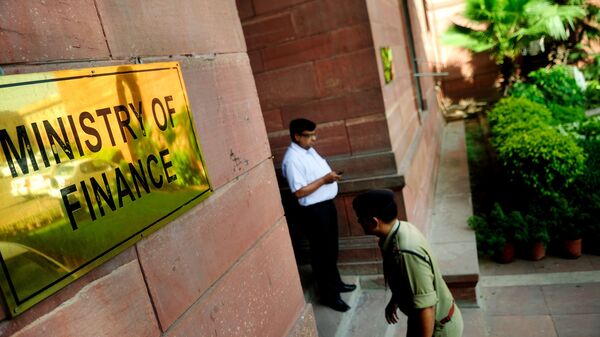
Sources indicate officials expect the blueprint to undergo internal deliberations at the finance ministry, followed by inter-ministerial reviews and, where required, a cabinet-level clearance. Any concrete merger or privatisation steps would require regulatory scrutiny and a phased operational integration plan; market reports suggest deliberations are active for implementation over the next few years.
Market and policy implications
Investors and market participants will closely watch signals from the Centre and the Reserve Bank of India on capital, governance and regulatory norms tied to consolidation. The move is likely to be part of a sequence scaling up anchor banks while repositioning others via stake sales or strategic partnerships to achieve a leaner PSB architecture by the medium term.
What to watch next
Key milestones include formal records of discussion, finance ministry communiques, and any announcements on Cabinet consideration. Observers will also monitor official statements from affected banks and comments from the Reserve Bank of India.