 How Each Scheme Operates
FFS is designed to catalyse venture capital flows: SIDBI operationalises the fund, deploying capital to SEBI-registered AIFs that then invest in startups. The reported AIF-supported investments show concentrated activity in sectors such as healthcare, IT & ITES, consumer goods and business services areas that together absorbed significant funding under FFS.
SISFS targets the seed stage by routing grants through incubators to early-stage startups. Implemented from April 1, 2021, SISFS enables incubators to provide working capital, product development and market validation support to entrepreneurs. The scheme’s sectoral spread ranging from healthcare and food & beverages to agritech and AI reflects a broad-based approach to nurturing diverse ideas.
CGSS, operational from April 1, 2023, supports collateral-free loans by offering guarantees to member financial institutions via NCGTC Ltd. This instrument aims to de-risk lending to startups and widen access to early growth capital.
Sectoral Trends and Women-Led Startups
Annexed data highlights sector concentrations. Under AIF investments supported by FFS, healthcare (26 startups, ₹573.91 crore) and IT & ITES (26 startups, ₹323.27 crore) were among the top recipients. Consumer goods, clean tech and business services also attracted sizeable investments. SISFS approvals similarly show a heavy tilt toward healthcare, agritech and food & beverages sectors with strong social impact and market potential.
CGSS guarantees covered varied sectors; notable loan amounts were directed to aerospace & defence and food-related enterprises, indicating early-stage credit support across both high-technology and product-centric startups.
Capacity Building and Women-Focused Support
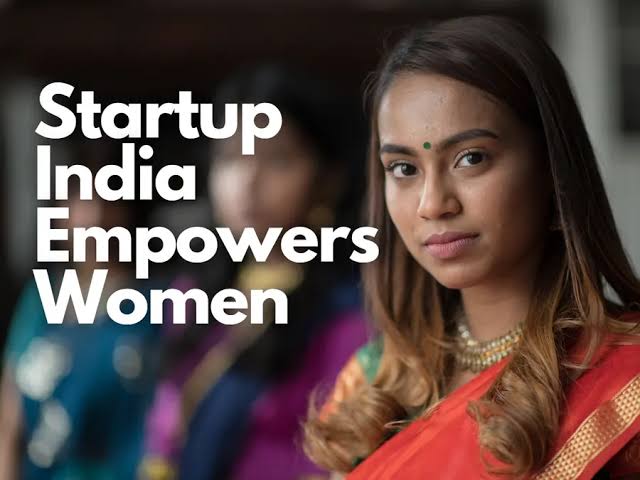
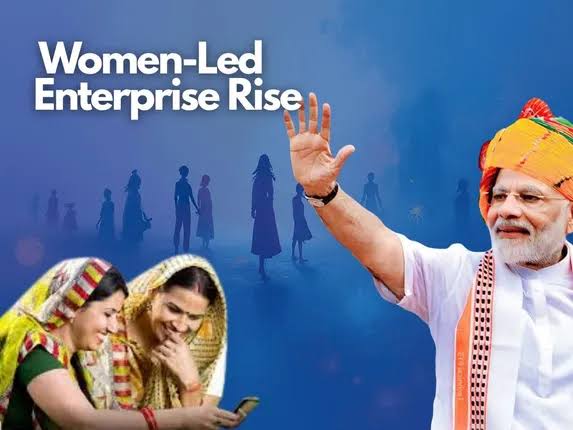
Beyond finance, the government has rolled out multiple support and capacity-building measures targeted at women entrepreneurs. Initiatives include the Women Capacity Development Programme (WING), virtual incubation, dedicated Startup India Hub resources, workshops like ASCEND and special categories in National Startup Awards to recognise women-led progress. The government also cites cross-ministry programmes such as WEDP and Swavalambini to widen the pipeline of women entrepreneurs.
However, officials told Parliament that a centralised statistic capturing long-term success rates of new enterprises is not maintained centrally, reflecting the complexity and diversity of startup outcomes.
What Comes Next
Policy-makers see the three-scheme architecture as complementary: FFS mobilises risk capital, SISFS nurtures early-stage product-market fit, and CGSS leverages credit to scale operations. Continued emphasis on incubator networks, sectoral focus, and targeted measures for women founders are likely to remain priorities.