
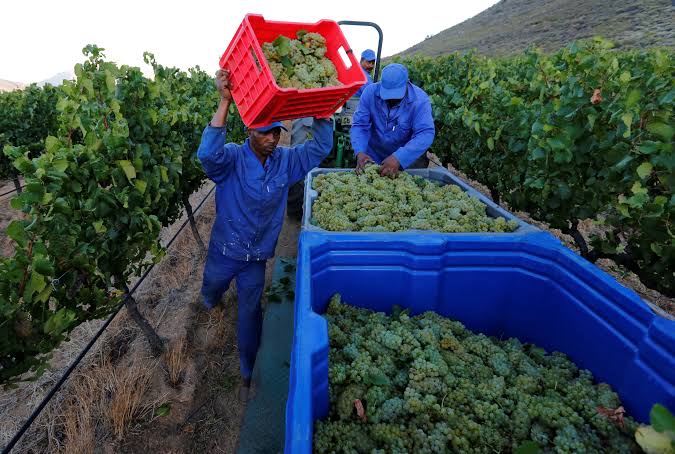
India intensifies efforts to reduce post-harvest losses in agriculture through targeted schemes and modern infrastructure.
India’s Post-Harvest Loss Challenge
Post-harvest losses continue to haunt Indian agriculture. From cereals to fruits, and vegetables to fisheries, farmers lose a significant portion of their produce due to gaps in storage, transport, and handling.
To address this, the Ministry of Food Processing Industries (MoFPI) commissioned a nationwide study titled “Study to Determine Post-Harvest Losses of Agri Produces in India”. Conducted by NABARD Consultancy Services (NABCONS), the study assessed 54 commodities across 292 districts between 2020 and 2022.


The losses vary across categories. Here are the key findings:
- Cereals: 3.89–5.92%
- Pulses: 5.65–6.74%
- Oilseeds: 2.87–7.51%
- Fruits: 6.02–15.05%
- Vegetables: 4.87–11.61%
- Milk: 0.87%
- Marine Fisheries: 8.76%
- Poultry: 5.63%
The main reasons for these losses were inefficient harvesting methods, poor storage infrastructure, and lack of refrigerated transport.
Government’s Multi-Pronged Strategy
The government has responded with a set of strong initiatives. These agriculture support schemes aim to strengthen every link in the value chain—from farm to market.
1. Pradhan Mantri Kisan Sampada Yojana (PMKSY)
Launched in 2016-17, PMKSY is the umbrella scheme of MoFPI. It focuses on:
- Creating post-harvest infrastructure like cold chains and food parks
- Enhancing value addition
- Reducing food wastage through better processing facilities
This central sector scheme supports large-scale food processing industries and helps farmers access modern technologies.
2. Mission for Integrated Development of Horticulture (MIDH)
MIDH supports infrastructure like ripening chambers, cold storages, and pack houses specifically for fruits and vegetables. These are the categories most affected by post-harvest losses, with fruits losing up to 15% of their value.
3. Agriculture Infrastructure Fund (AIF)
AIF provides medium to long-term loans to farmers, cooperatives, and startups. It covers investment in warehouses, cold chains, and sorting or grading units.
This scheme is vital in bridging the infrastructure gap highlighted by the NABCONS study.
4. Agricultural Marketing Infrastructure (AMI) Scheme
AMI supports the creation of storage, collection centers, and grading facilities at the market level. This directly tackles inefficiencies in mandi-level post-harvest handling.
5. National Agriculture Market (e-NAM)
e-NAM links over 1000 mandis across India. It enables transparent pricing and better access to distant buyers. It also reduces transit time and spoilage through quicker transactions and logistics.
6. Farmer Producer Organisations (FPOs)
The government aims to form and promote 10,000 FPOs to empower small farmers. These FPOs help in aggregation, collective bargaining, and setting up local processing units—thereby reducing both costs and losses.
Impact on Farmers and Economy
Post-harvest losses not only reduce farmers’ income but also raise food inflation and wastage. Fruits and vegetables rot before reaching markets. Grains and pulses are damaged due to moisture and pests.
With better post-harvest infrastructure and market connectivity, these schemes help:
- Increase farmer income
- Ensure food security
- Reduce consumer prices
- Create jobs in cold chain and food processing sectors
Minister’s Statement
Shri Ramnath Thakur, Minister of State for Agriculture and Farmers Welfare, shared these insights in a written reply in the Rajya Sabha. He reaffirmed the government’s commitment to minimizing wastage and enhancing value for agricultural produce.
What’s Next?
With public-private partnerships and increasing tech adoption, India’s fight against post-harvest losses is gaining momentum. But scaling these solutions across all districts is the next big challenge—and opportunity.
The synergy of infrastructure, finance, digital markets, and farmer empowerment is turning post-harvest risk into post-harvest opportunity.