

Under the revised schedule, measures previously applicable only at Stage 4 have been shifted down a notch. Key changes include allowing the deployment of Stage 4 restrictions when average AQI moves into the Stage 3 band (301–400), rather than waiting for a Stage 4 reading (401–450). The goal: act earlier to prevent quick deterioration into hazardous levels and reduce exposure for vulnerable populations.
Measures now triggered earlier
Authorities can now consider measures such as partial work-from-home arrangements and a 50% workforce cap for public and private offices earlier than before, and staggered office timings may be introduced in the Stage 2 (poor) band rather than only at Stage 3. The rejig also emphasises uninterrupted power supply to discourage diesel generators, better traffic management, and rapid expansion of public transport services during poor-air days.
Why the CAQM acted
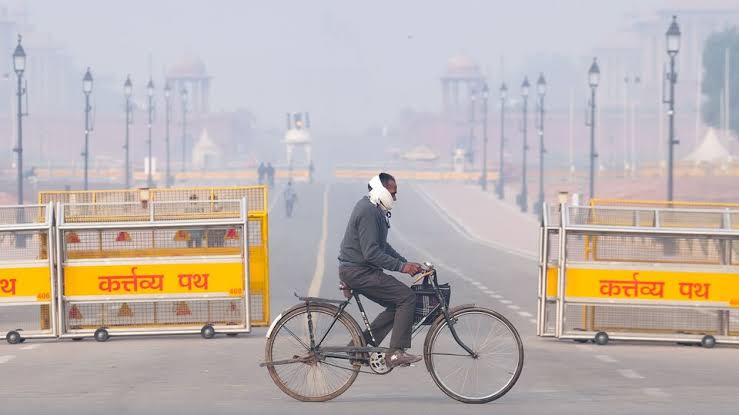
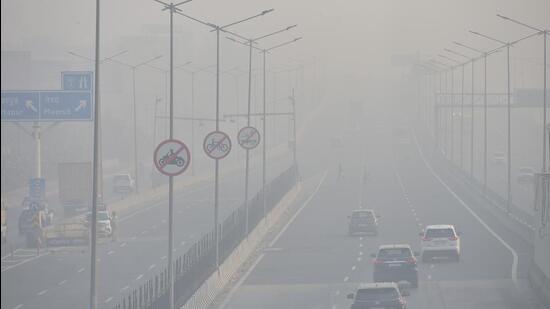
Officials cited scientific evidence and field experience showing that acting earlier reduces spikes and prevents worsening air episodes. Delhi’s AQI has hovered deep in the “very poor” category this week, with localized “severe” pockets recorded near Akshardham and Anand Vihar. The Central Pollution Control Board (CPCB) Sameer app registered an average AQI of 364 around midday on Saturday, underscoring the urgency of intervention.
How enforcement and advisories will work
The CAQM’s updated framework remains advisory in certain administrative areas: courts and the Supreme Court have underlined the need for consultations while endorsing proactive action. State governments in the NCR — including Delhi, Haryana, Uttar Pradesh and Rajasthan districts under the NCR umbrella — must translate the revised GRAP into implementable steps at the ground level.
Impact on commuters, offices and public services
Commuters can expect enhanced public transport frequency, with added CNG and electric buses and possible differential fare incentives to encourage off-peak travel. Government and municipal offices may enforce staggered timings; private firms have been urged to cooperate with advisories. Where Stage 3 invokes Stage 4 measures, some offices could be asked to operate with reduced staff while balancing essential services.
Voices from experts and stakeholders
Public-health experts welcomed early action, saying that reducing exposure — particularly for children, the elderly and those with respiratory conditions — is critical. Business groups called for clarity and predictability to avoid disruption, urging that advisories be accompanied by clear implementation timelines and support for affected sectors.
Data and where to follow updates
Residents can follow live AQI updates on the CPCB’s Sameer app and CAQM notifications for real-time advisories. For official text and detailed guidance on the revised plan consult CAQM and CPCB portals. State nodal agencies will issue local orders as situations evolve.