
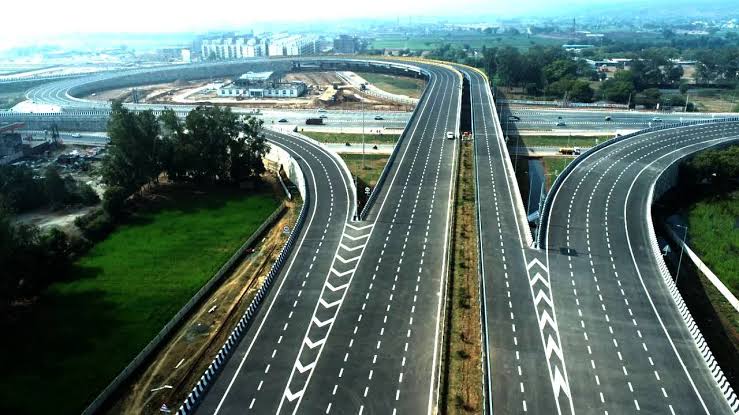
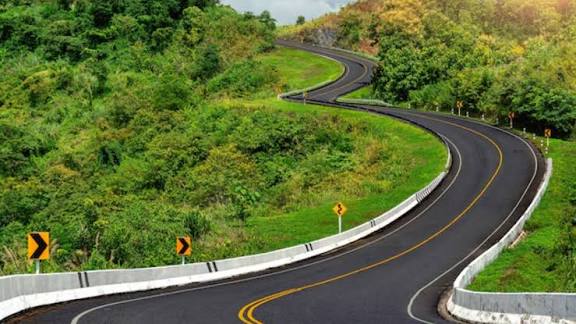

The initiatives are being implemented in line with the Green Highways (Plantation, Transplantation, Beautification and Maintenance) Policy, 2015, along with guidelines issued by the Indian Road Congress (IRC: SP: 21-2009). Plantation activities are carried out along available Right of Way (RoW) areas and central medians of National Highways wherever feasible.
Authorities are prioritising native species known for high survival rates and superior carbon absorption capacity. This approach not only enhances roadside greenery but also strengthens ecological balance and carbon sequestration efforts.
Promoting Recycled and Sustainable Materials
The Ministry has directed agencies involved in highway development to actively promote recycled materials and waste products in road construction. This marks a strategic shift towards resource efficiency and circular economy principles in infrastructure development.
Among the materials widely used is fly ash, particularly in embankment construction and structural works. Fly ash, a by-product of thermal power plants, reduces the demand for natural soil and minimises environmental damage.
Reclaimed Asphalt Pavement (RAP) is also being utilised in bituminous layers, enabling the reuse of existing road materials. Construction and Demolition (C&D) waste is similarly processed and incorporated into suitable road works as per approved technical specifications.
Innovations in Bituminous Mixes
Plastic waste has emerged as a valuable input in bituminous road mixes. By integrating shredded plastic into asphalt, authorities aim to improve pavement durability while addressing plastic disposal challenges.
Other sustainable inputs include natural geo-textiles, industrial slag, crumb rubber derived from waste tyres, and various recycled or industrial by-products. These materials are adopted based on feasibility studies and established technical guidelines to enhance pavement performance.
Environmental and Climate Benefits
According to the Minister’s written reply in the Rajya Sabha, these initiatives significantly contribute to India’s climate goals. By reducing dependence on virgin materials, the approach lowers greenhouse gas emissions associated with extraction and processing.
Efficient waste utilisation also minimises landfill burden and environmental degradation. The integration of sustainable materials into mainstream infrastructure projects signals a structural transformation in how roads are built in India.
Supporting Circular Economy Principles
The adoption of recycled inputs and eco-friendly technologies reflects a broader alignment with circular economy principles. Instead of discarding industrial by-products, the government is encouraging their productive reuse in infrastructure projects.
This model not only optimises resource use but also enhances long-term cost efficiency and durability of highways. Improved pavement performance reduces maintenance frequency, thereby lowering lifecycle emissions.
Balancing Development and Sustainability
India’s highway network has expanded rapidly over the past decade, supporting economic growth and connectivity. However, infrastructure expansion has often raised environmental concerns.
The Green Highways policy aims to strike a balance between development and ecological responsibility. By embedding sustainability into planning, construction, and maintenance stages, the Ministry seeks to ensure that growth does not come at the cost of environmental degradation.
As India continues to modernise its transport infrastructure, the emphasis on green highways and sustainable road infrastructure underscores a clear policy direction building roads that are not only faster and stronger, but also cleaner and more climate-conscious.