
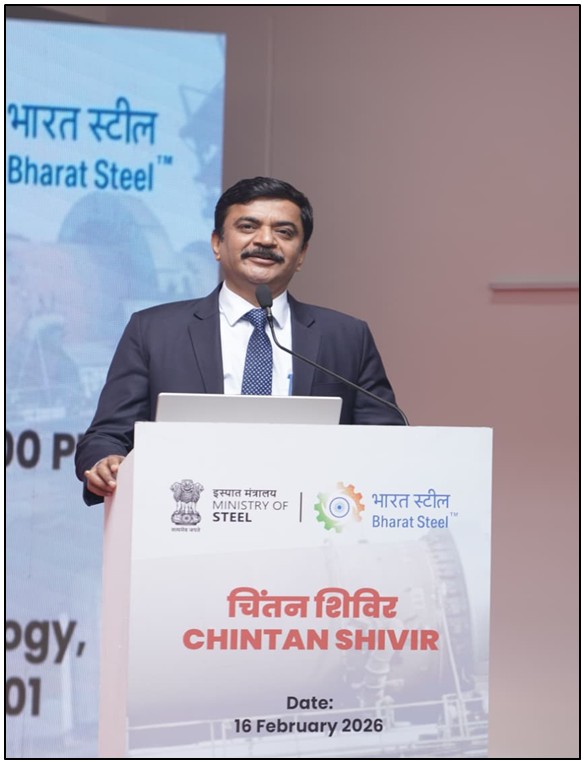
Mandi Gobindgarh, February 16: The Ministry of Steel has intensified India’s transition toward green steel production with a focused Chintan Shivir at the National Institute of Secondary Steel Technology (NISST) in Punjab’s industrial hub.
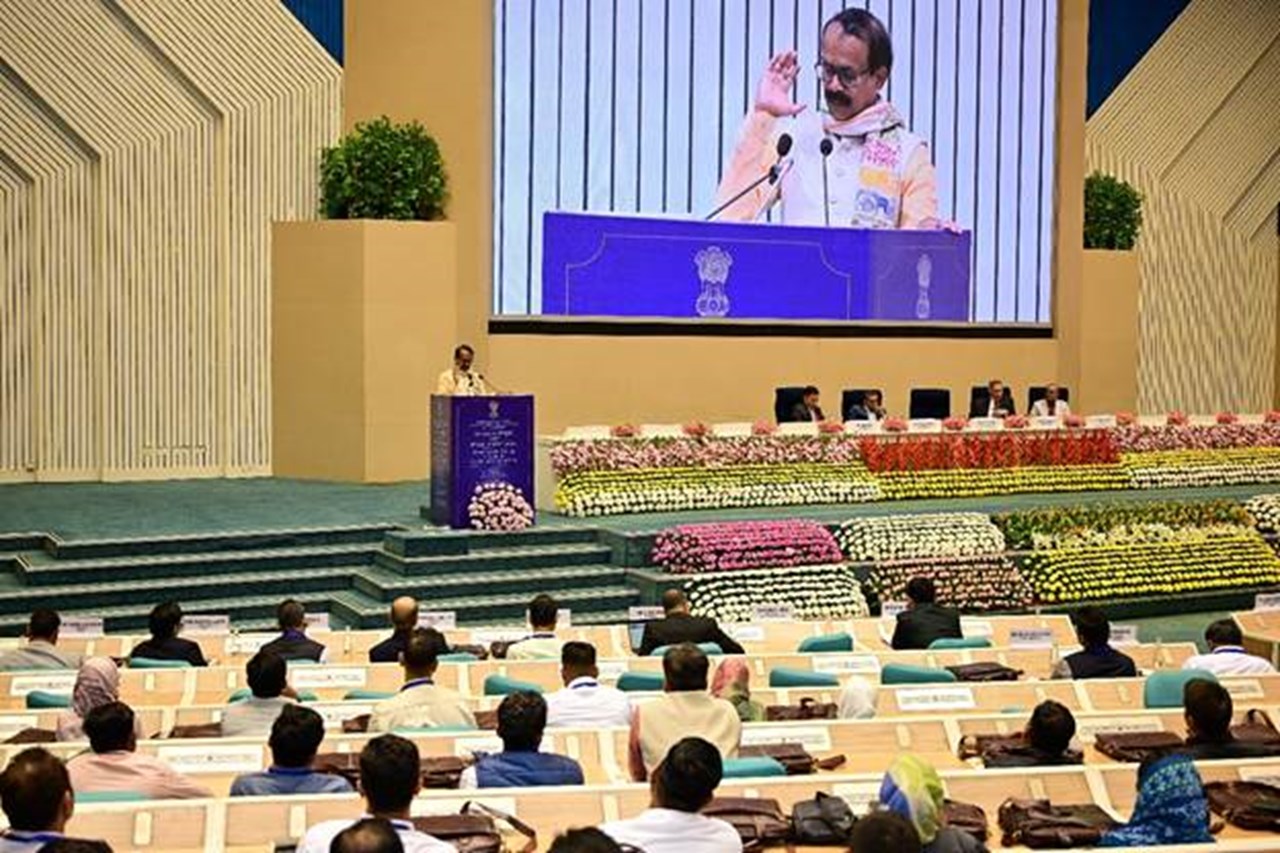

The one-day brainstorming session brought together policymakers, CPSE representatives, technical experts and leaders from the secondary steel industry to chart a roadmap for low-carbon steel production.
Shri Sandeep Poundrik, Secretary, Ministry of Steel, highlighted that the secondary steel sector contributes nearly 47% of India’s total steel output. He emphasized that India remains unique globally, as its production, consumption and installed capacity continue to grow annually at 8–10%.
He underscored that decarbonising this segment is critical to India’s climate commitments and long-term industrial competitiveness.
NISST’s Expanding Role in Green Certification
The National Institute of Secondary Steel Technology (NISST) has emerged as a central pillar in the green transition. The institute now conducts training programmes twice every month across steel clusters to enhance technical capabilities and environmental compliance.
NISST has also been designated as the nodal agency for green steel certification. So far, it has issued green steel certificates to 76 industries, covering nearly 10.98 million tonnes of production capacity.
Officials confirmed that the Ministry of Steel is working on an incentive framework aimed at supporting technological upgrades in the secondary steel sector to reduce carbon emissions further.
Hydrogen and Low-Carbon Technologies in Spotlight
Deliberations during the Chintan Shivir focused on next-generation technologies that can significantly cut emissions in steel manufacturing.
Among the key discussions was the injection of green hydrogen into blast furnaces to reduce carbon dioxide emissions. Experts also explored hydrogen use in rotary kiln-based iron-making processes, which could transform traditional production systems.
Another promising innovation discussed was vertical shaft-based Direct Reduced Iron (DRI) production using water gas as a reductant. This approach offers fuel flexibility while lowering overall emissions.
Battery Storage and Renewable Integration
Energy efficiency formed a crucial part of the dialogue. Participants examined the deployment of Battery Energy Storage Systems (BESS) within the secondary steel sector.
BESS integration can help reduce dependence on grid electricity while allowing industries to optimise renewable energy usage during off-peak hours. Industry representatives noted that such systems could improve both environmental performance and operational cost efficiency.
Export Opportunities and Global Challenges
The Chintan Shivir also addressed global trade implications, particularly in the context of the Carbon Border Adjustment Mechanism (CBAM), which could impact Indian steel exports.
Discussions covered strategies to enhance alloy steel exports while ensuring compliance with evolving global carbon standards. Policymakers and industry leaders stressed that early adaptation to green steel standards would provide India a competitive advantage in international markets.
Joint Secretary Shri Daya Nidhan Pandey reiterated NISST’s role in strengthening capacity building for the secondary steel ecosystem, ensuring that smaller players are not left behind in the green transition.
Aligning Growth with Sustainability
The deliberations concluded with a shared consensus: sustainable growth in the steel sector must go hand in hand with technological innovation and environmental responsibility.
The Ministry’s initiative signals a structured push toward mainstreaming green steel production across India’s rapidly expanding industrial base. With policy support, certification mechanisms, and advanced low-carbon technologies under discussion, the secondary steel sector is poised to play a decisive role in India’s decarbonisation journey.