 2,870 Laboratories Under Jal Jeevan Mission
The Jal Jeevan Mission, implemented by the Ministry of Jal Shakti in partnership with states, has adopted the Bureau of Indian Standards (BIS 10500) benchmarks for drinking water quality. As of February 2026, 2,870 Water Quality Testing Laboratories are operational across India, covering groundwater sources as well.
An online Water Quality Management Information System (WQMIS) portal has also been developed to streamline sample collection, testing, and reporting. The digital platform enables real-time monitoring and better surveillance of drinking water quality.
Empowering Women at Village Level
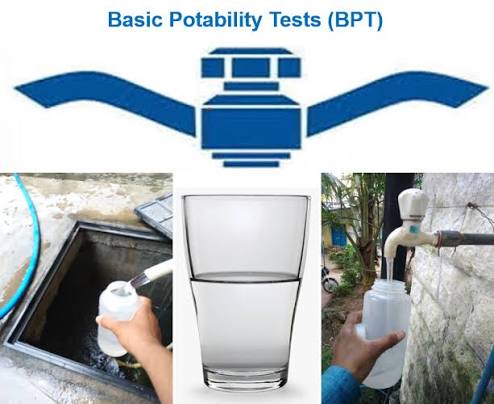
In a major community-driven initiative, states and Union Territories have been advised to identify and train five individuals—preferably women—in every village to conduct water testing using Field Testing Kits (FTKs). This decentralised approach strengthens local oversight of drinking water safety.
So far, around 24.80 lakh women have been trained nationwide. Of these, nearly 8 lakh women are actively uploading water quality reports on the WQMIS portal, enhancing transparency and accountability.
The initiative not only improves monitoring but also promotes women’s participation in grassroots governance and public health management.
State Responsibility, Central Support
Since water is a State subject under the Constitution, primary responsibility for groundwater management and safe drinking water supply lies with state governments. However, the Centre continues to complement state efforts through technical, financial and policy support.
The CGWB regularly publishes groundwater quality data through annual reports, half-yearly bulletins and fortnightly alerts.
Addressing Contamination Through Multi-Pronged Strategy
Under the National Aquifer Mapping and Management Programme (NAQUIM), special focus is being given to areas affected by groundwater contamination. Suitable management plans, including aquifer remediation measures, are proposed to improve water quality.
The CGWB has also developed techniques for constructing arsenic- and fluoride-safe wells. Demonstration projects have been carried out in affected regions, and technical assistance is provided to state departments for wider implementation.
Artificial recharge of aquifers is another key strategy to dilute contaminants. Programmes such as Jal Shakti Abhiyan, Jal Sanchay Jan Bhagidari, Atal Bhujal Yojana, PMKSY and MGNREGS support water conservation and recharge activities nationwide.
Surface water contamination, which often impacts groundwater, is being tackled through Sewage Treatment Plants (STPs), Effluent Treatment Plants (ETPs), improved sewage networks and river conservation projects under the National Mission for Clean Ganga (NMCG) and the National River Conservation Plan (NRCP).
Priority to Quality-Affected Habitations
Under JJM, villages facing water quality issues are being prioritised for infrastructure development. By integrating laboratory testing, digital monitoring, aquifer management and community participation, the government aims to create a comprehensive framework for safe drinking water delivery.
Experts note that sustained monitoring, timely reporting and corrective action are essential to maintaining groundwater potability. With expanded testing infrastructure and trained local volunteers, India’s rural water supply system is moving toward greater resilience and transparency.