
Two-Slab Structure with Demerit Rate
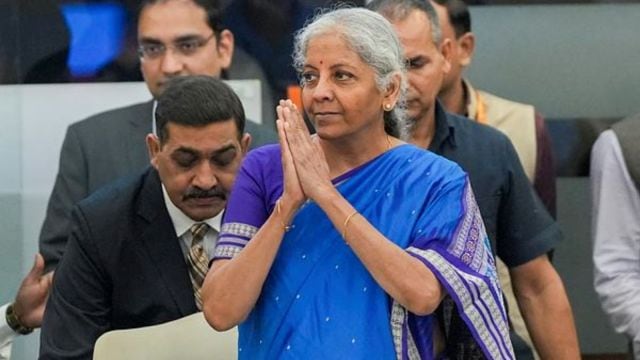
The 56th GST Council meeting, chaired by Finance Minister Nirmala Sitharaman, concluded after a marathon 10.5-hour discussion. The Council agreed on a streamlined structure: 5% for essential items, 18% as the standard rate, and a 40% demerit rate for luxury and sin goods like tobacco and pan masala.
Sitharaman emphasized that the reforms are designed to simplify compliance, ensure predictability, and address long-standing issues such as inverted duty structures that previously hurt working capital for businesses.


One of the biggest announcements was the blanket exemption of GST on health and life insurance policies for individuals, including family floater plans and senior citizen coverage. Everyday items such as soap, shampoo, hair oil, toothbrushes, bicycles, and kitchenware will now attract a lower 5% GST.
Food products like fruit juices, cheese, condensed milk, packaged coconut water, and dates will also see rate cuts, while staples like paneer, UHT milk, and plain chapati move to a nil GST category. Services such as gyms, salons, yoga centres, and barbershops will face only 5% GST, down from 18%.
Impact on Automobiles and White Goods
Small cars with engine capacity under 1200 cc (petrol) or 1500 cc (diesel) will now be taxed at 18%, offering significant relief to buyers. Motorcycles under 350 cc and auto parts will also fall in the 18% slab. Larger vehicles, however, will attract a 40% rate. Meanwhile, white goods like ACs, TVs, and dishwashers move from 28% to 18% GST, making them more affordable for middle-class families.
Boost for Industry and MSMEs
The Council’s decision addresses long-standing demands from industry bodies to rationalize rates. According to the Press Information Bureau, the Confederation of Indian Industry (CII) welcomed the reforms, calling them “pathbreaking” for reducing litigation, easing compliance, and boosting consumer demand.
Textile and fertiliser sectors also benefit. Manmade fibre and yarn now face just 5% GST, down from 18% and 12% respectively. Fertiliser inputs like sulphuric acid and ammonia will also attract a reduced 5% GST, helping farmers lower input costs.
Revenue Concerns and Fiscal Impact
Some states expressed concerns about revenue losses, estimating impacts between ₹80,000 crore and ₹1.5 lakh crore. However, Revenue Secretary Arvind Shrivastava clarified that the reforms are “fiscally sustainable,” with an expected net revenue implication of ₹48,000 crore based on FY24 consumption data.
Despite the debate, decisions were reached through consensus without voting, underscoring the Centre and states’ collective resolve to prioritize public interest.
Reforms for the Future
Prime Minister Narendra Modi hailed the Council’s decisions, stating they will benefit “the common man, farmers, MSMEs, middle-class, women, and youth.” The reforms are aligned with the government’s long-term vision to make GST simpler, pro-people, and business-friendly.
Sitharaman noted that the changes are not linked to global tariff pressures but are the culmination of over a year of deliberations by dedicated ministerial groups. She stressed the reforms will ensure stability, predictability, and ease of doing business.