

According to reports, essential household products like toothpaste, shampoo, soaps, butter, cheese, and packaged foods may move into the 5% bracket, down from the current 12–18%. Textile and food categories are also expected to benefit, which could boost companies such as Hindustan Unilever, Nestlé India, and Godrej Consumer Products.
On the other hand, consumer durables such as televisions, refrigerators, washing machines, and air-conditioners could shift to the 18% slab from the existing 28%. Even cement, one of the most heavily taxed commodities, is likely to come down to 18%.
Impact on Automobiles
For the automobile sector, the GST Council is weighing a reduction from 28% to 18% for small petrol and hybrid cars with engine capacities up to 1,200 cc. Two-wheelers may also see relief with GST falling to 18% from 28%, providing a much-needed push for Hero MotoCorp and other two-wheeler makers.
However, the Council is also exploring a steep 40% tax on “luxury” motorcycles above 350 cc, which could impact brands like Royal Enfield and Bajaj Auto. Electric vehicles face a mixed outlook—while small EVs could continue enjoying lower tax rates, luxury EVs priced above ₹20 lakh may face an increase from the present 5% to 18% or higher.
Why GST Rationalisation Matters
The proposed structural reform aims to simplify compliance, reduce disputes, and make administration easier. With just two effective slabs, businesses expect fewer classification disputes and faster decision-making.
the rationalisation is designed to balance revenue needs while boosting consumption. Analysts believe the move could help offset the economic drag from recent U.S. tariffs on Indian exports.
Revenue Implications
Estimates suggest the reforms could cost the exchequer between ₹60,000 crore and ₹1.7 lakh crore annually. However, a 40% tax on luxury items, along with a surplus of over ₹45,000 crore in the GST Compensation Cess fund, may help absorb part of the revenue hit.
State Bank of India’s research division projects that the weighted average GST rate could fall to 9.5%, easing retail inflation by 20–25 basis points and stimulating demand. This, in turn, may boost monthly GST collections despite lower rates.
Looking Ahead
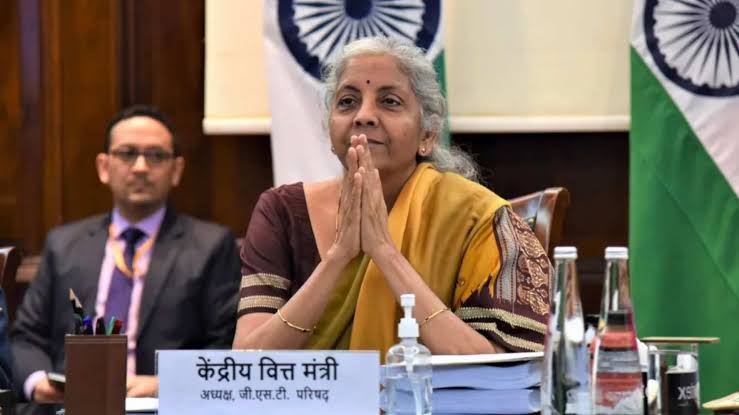
Prime Minister Narendra Modi had earlier flagged the need for GST 2.0 during his Independence Day address. If the Council finalises the proposed changes, it will mark the most significant overhaul since GST’s launch in July 2017.
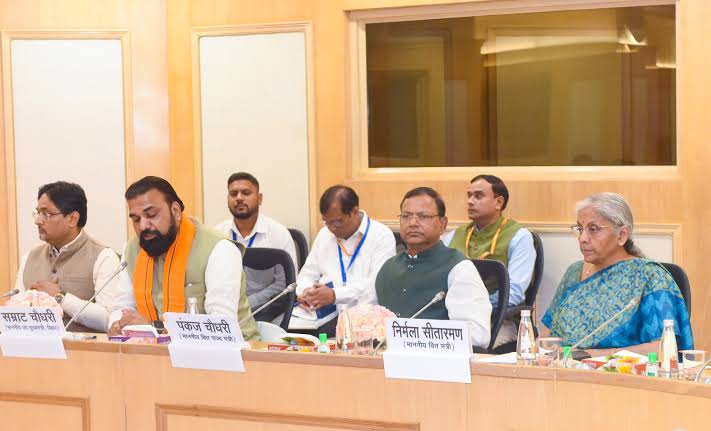
The meeting will continue on Thursday, with final announcements expected soon. Businesses and consumers alike are watching closely, as the reforms promise to reshape India’s indirect tax regime in a way that could impact everyday expenses and corporate strategies alike.