
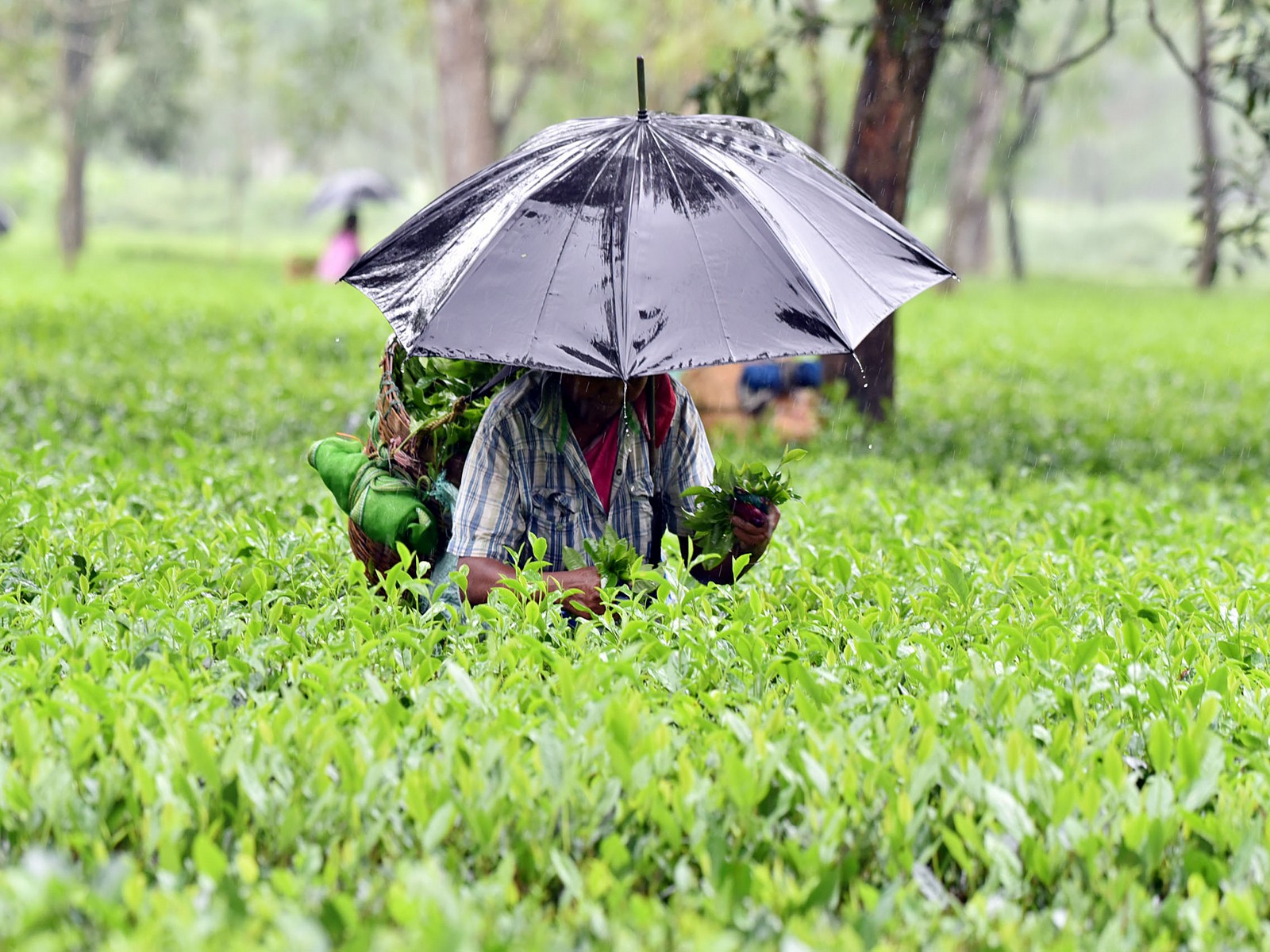
Tea Industry Benefits
The Assam tea sector, employing over 6.84 lakh workers, will see domestic and export prices fall by roughly 11% due to the 5% GST rate. This will enhance the competitiveness of Assam tea in global markets and increase demand at the Guwahati Tea Auction Centre. Small growers producing GI-tagged orthodox teas are expected to gain significant cost relief, easing the financial burden on estate and smallholder workers.
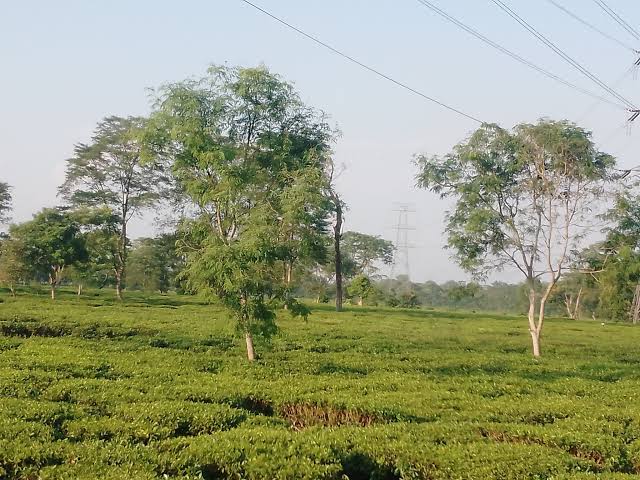
Assam’s renowned muga silk, gamosa, and other handloom crafts, produced by over 12.83 lakh weavers across 12.46 lakh looms, now face a reduced GST of 5%, delivering ~6.25% savings for consumers. This makes traditional textiles and crafts more affordable, strengthens artisan livelihoods, and encourages exports through niche luxury markets. Cultural products like gamosa will see increased demand locally and internationally.
Tourism & Hospitality Gains
Hotels with room rates up to ₹7,500 now attract 5% GST, reducing travel costs for visitors and encouraging higher footfall. This supports livelihoods for hotel staff, guides, and transport operators while making Assam’s tourism sector more competitive. Essential services and food items in the hospitality chain also benefit from lower tax rates.
Agriculture & GI-Tagged Crops
Key GI crops like Joha Rice, Boka Saul, Kaji Nemu, and Tezpur Litchi will benefit from a reduced 5% GST, yielding ~6–11% savings. Farmers gain from increased demand and improved margins on value-added products such as ready-to-cook mixes, jams, and juices. These reforms strengthen rural incomes and support sustainable agricultural practices across Assam.
Economic Impact & Outlook
Overall, Assam’s economy is poised for growth as GST reforms enhance affordability, stimulate demand, and improve livelihoods across multiple sectors. From tea estates to handloom cooperatives and tourist circuits, the measures empower traditional industries, boost exports, and make the state more attractive for investment and tourism.