
GST Turns 8: Reform or Economic Injustice?
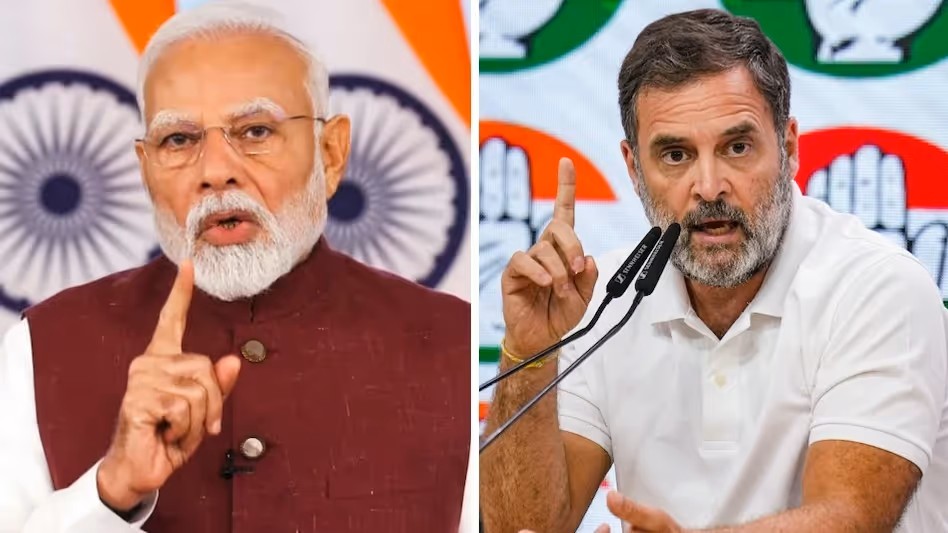
On July 1, 2025, India marked eight years since the implementation of the Goods and Services Tax (GST). Prime Minister Narendra Modi called it a “landmark reform” that simplified business operations and strengthened federalism. But opposition leader Rahul Gandhi condemned it as a symbol of economic injustice and “corporate favoritism.”
PM Modi’s View: A Reform that Transformed
In a post on X (formerly Twitter), PM Modi wrote, “Eight years since it was introduced, GST stands out as a landmark reform that has reshaped India’s economic landscape. It has reduced compliance burdens, especially for MSMEs, and promoted cooperative federalism.”
He added that GST unified the market, improved ease of doing business, and made states equal partners in India’s economic journey.
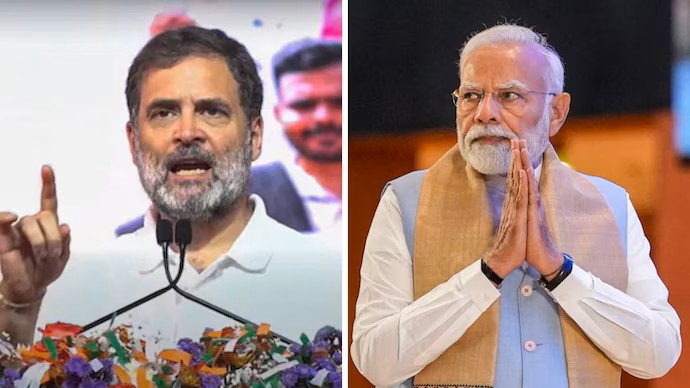

Rahul Gandhi’s reaction was starkly different. He called GST a “brutal tool of economic injustice” that punished small traders and benefited a few large corporates. According to him, the tax system turned into a compliance nightmare with over 900 amendments and five confusing slabs.
“It was never the ‘Good and Simple Tax’ we were promised,” he wrote. Gandhi highlighted that the complex framework has driven over 18 lakh enterprises to shut down.
Legacy of the GST: Mixed Reactions Continue
Gandhi alleged that the Modi government used GST dues to penalize non-BJP ruled states. He also pointed out that essential fuels like petrol and diesel were kept outside the GST bracket, hurting farmers and daily wage workers.
He called for a tax structure that helps all Indians—especially MSMEs and farmers—rather than supporting a few “billionaire friends.”
What is GST?
GST was launched on July 1, 2017, by the Narendra Modi government to replace multiple indirect taxes like VAT, excise, and service tax with a unified tax on goods and services. It was envisioned during Atal Bihari Vajpayee’s government and pushed forward after BJP’s 2014 victory.
The goal was to eliminate the cascading effect of taxes, simplify compliance, and create a common market across India. Despite its intentions, implementation challenges, political differences, and frequent changes have affected public perception.
The Road Ahead
As GST enters its ninth year, the debate around its effectiveness continues. While the government insists it has streamlined taxation and enhanced revenue, critics argue that the real burden falls on small businesses and common people.
India’s tax system needs reforms that include stakeholder feedback, technological upgrades, and a simplified structure to deliver inclusive growth. The hope remains that GST evolves into a truly “Good and Simple Tax.”