
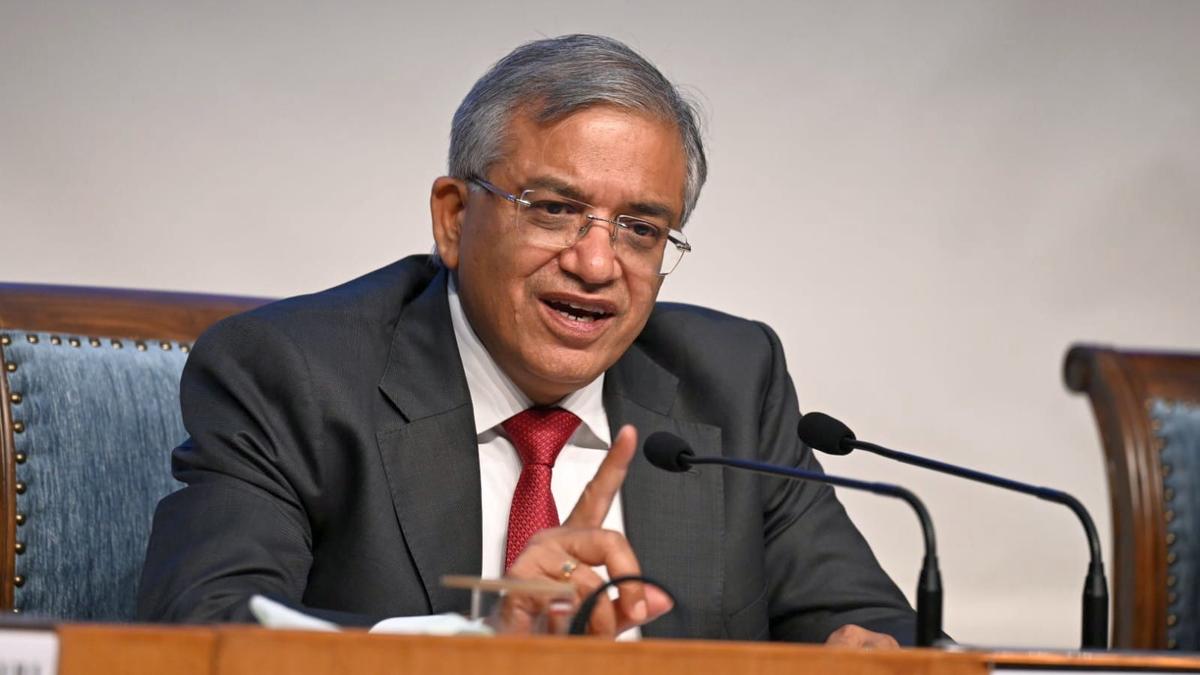
CEC Gyanesh Kumar Denies Misinformation in Bihar Voter List Row
“Every citizen has the right to vote”
Reaffirming constitutional principles, Mr. Kumar said, “Every Indian citizen who has reached the age of 18 years should vote. The Election Commission treats all parties equally — neither ruling nor opposition.”
He stressed that the SIR was launched after two decades of political parties demanding corrections to electoral rolls. “To remove errors, all voters and parties are contributing. As of now, 28,370 claims and objections have been received, and 15 days are still left to file more,” he explained.

The CEC strongly rejected claims that voters’ concerns were being ignored. He said booth-level officers and agents were working closely with voters, and testimonials were being collected. “These inputs are sometimes not reaching parties, or there is a deliberate attempt to spread misinformation,” he cautioned. He added that when voters stand with the Election Commission, “aspersions cannot be cast on the poll body or voters.”
Privacy and technology concerns
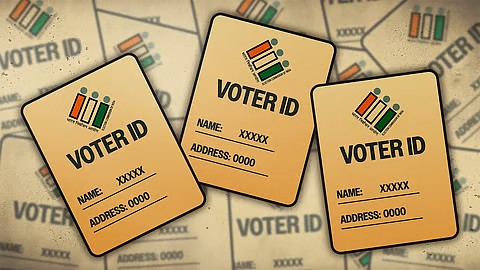
Responding to demands for machine-readable voter rolls, Mr. Kumar recalled a 2019 Supreme Court ruling that warned of risks to voter privacy. He clarified the difference between machine-readable rolls and searchable lists based on Electoral Photo Identity Cards (EPIC). “The Commission is not afraid of false accusations,” he said.
Correcting draft rolls
The CEC highlighted the different forms available for claims and corrections: Form 6 for inclusion, Form 7 for objections, and Form 8 for corrections. “Once the 45-day period for challenges ends, doubts about elections are unnecessary. What is the motive behind casting suspicion now?” he asked.
Foreign nationals and voter rolls
When asked about the presence of Bangladeshi, Nepali, or Myanmar nationals in the rolls, Mr. Kumar assured that an intensive probe of enumeration forms would be conducted. “If individuals are found to be non-citizens, they will not be part of the electoral rolls,” he said. He also pointed out that the Commission had complied with the Supreme Court order within 56 hours by publishing searchable district-wise lists of 65 lakh names deleted earlier.
Defending the integrity of the process
Mr. Kumar reiterated that Article 326 of the Constitution makes it clear: only Indian citizens aged 18 and above are eligible to vote. While errors in lists can occur, they do not amount to fraudulent voting. “One person can vote only once. Mixing errors in lists with allegations of vote theft is misleading,” he stated.
He challenged the credibility of large-scale accusations. “If allegations are against 1,50,000 people, should all be given notices without evidence? Either submit an affidavit or apologise to the nation. Failure to do so in seven days means the charges are false.”
Focus on transparency
The Election Commission’s statement comes at a critical moment ahead of the Bihar Assembly elections. The Commission has called for cooperation from political parties, urging Booth Level Agents (BLAs) to actively participate in filing objections before the deadline. Mr. Kumar stressed that the process was designed to ensure transparency and maintain the trust of voters.