
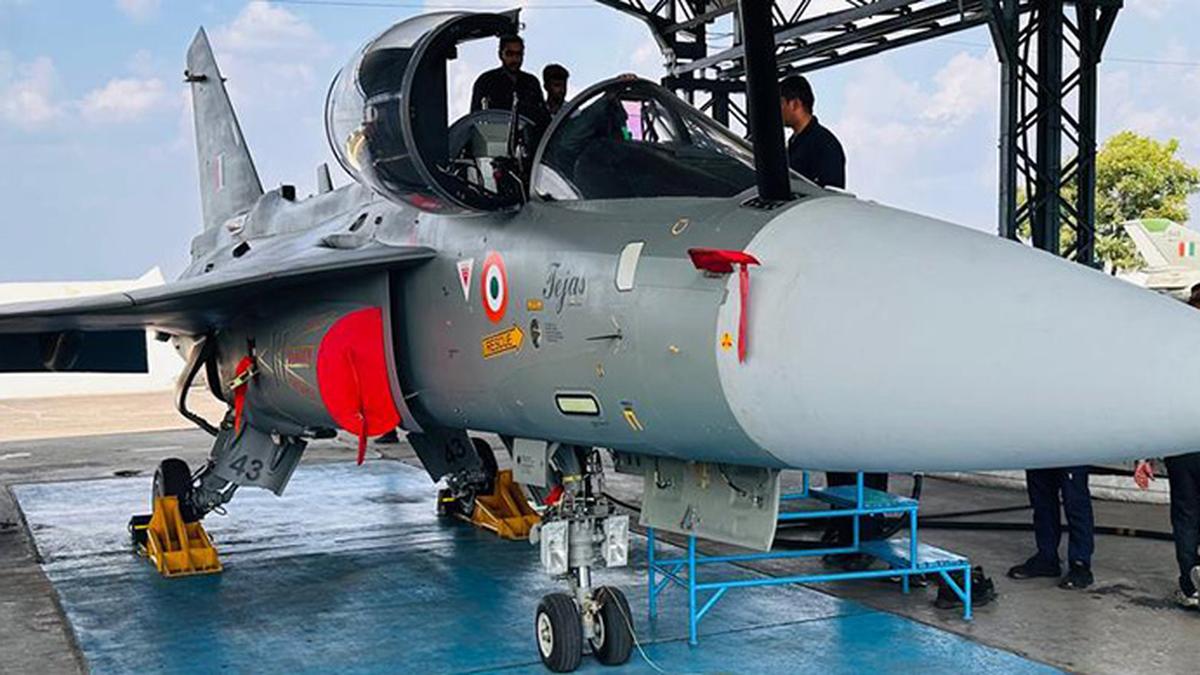
Strengthening India’s Defence Self-Reliance
Highlighting India’s transformation in defence production, Mr. Singh said, “The country, which once imported 65–70% of its military hardware, now manufactures nearly 65% domestically. Our target is to reach 100% production in the near future.” He emphasized that the new production lines demonstrate effective synergy between government, industry, and academia.
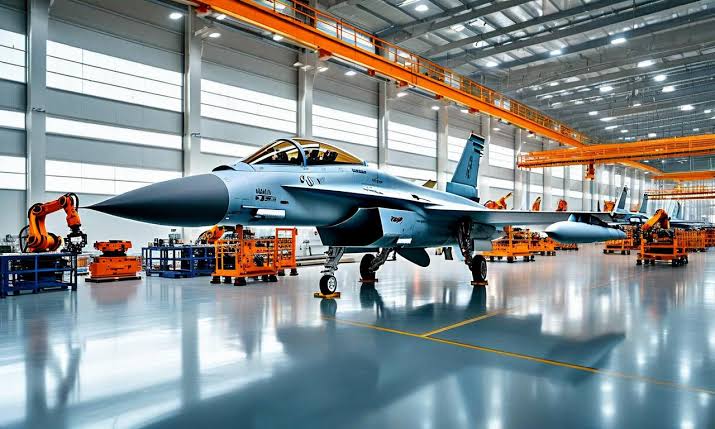

Mr. Singh praised HAL Nashik’s six-decade-long legacy, from manufacturing MiG-21 and MiG-27 fighter jets to supporting the Su-30 fleet. He highlighted the facility’s role during Operation Sindoor, where HAL ensured operational readiness by integrating the BrahMos missile on Su-30 aircraft to neutralize terrorist targets. “This proves India can design, produce, and deploy indigenous defence systems effectively,” the Minister added.
Domestic Production Goals
Under Prime Minister Narendra Modi’s leadership, the Indian defence sector has focused on reducing import dependency and boosting private sector participation. Mr. Singh noted that prior challenges included limited technology, lack of planning, and minimal private involvement. Today, India manufactures fighter jets, missiles, engines, and electronic warfare systems domestically.
Future Outlook
The government aims to achieve ₹3 lakh crore in domestic defence production by 2029. By inducting indigenous technologies and expanding production facilities like HAL Nashik, India is positioning itself as a global leader in defence manufacturing.