

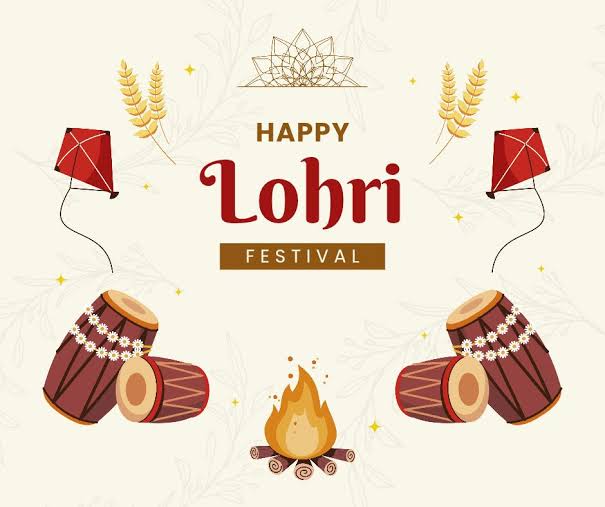

Lohri is traditionally celebrated every year on January 13, a day before Makar Sankranti. According to the ancient Bikrami calendar, which blends lunar and solar cycles, Lohri in 2026 falls on Tuesday, January 13.
As per Drik Panchang calculations, the Sankranti moment will occur at approximately 3:13 PM on January 14, 2026. The Lohri rituals are usually performed after sunset, when families light the bonfire and offer prayers seeking warmth, abundance and happiness in the coming year.
Traditional Lohri Rituals
The central ritual of Lohri revolves around lighting a bonfire in open spaces or outside homes. Devotees perform parikrama by circling the fire while offering sesame seeds, jaggery, peanuts, popcorn and rewri as a symbol of gratitude towards nature.
Folk songs dedicated to harvest, prosperity and bravery are sung, while people perform energetic bhangra and giddha dances. The fire is believed to represent Agni and Surya, both essential sources of life, warmth and agricultural prosperity.
What to Include in Lohri Ki Thali
A traditional Lohri ki Thali carries symbolic foods linked to nourishment and prosperity. Common items include gajak and rewri made from sesame and jaggery, peanut chikki, til ke laddoo and panjiri.
These foods not only provide warmth during winter but also signify sweetness, unity and abundance, which are central to the spirit of the festival.
History and Folklore of Lohri
Lohri is an ancient folk festival deeply rooted in Punjab’s agrarian culture. It coincides with the end of the month of Paush and the beginning of Magha in the Hindu calendar, closely linked to the winter solstice.
One of the most popular legends associated with Lohri is that of Dulla Bhatti, a local hero during the Mughal era. Folk songs sung during Lohri praise his courage and generosity for rescuing girls from exploitation and arranging their marriages.
Cultural and Agricultural Significance
Lohri holds immense agricultural importance as it celebrates the harvest of rabi crops, especially wheat and sugarcane. Farmers express gratitude for a good yield and pray for prosperity in the coming season.
Socially, Lohri is especially significant for newlyweds and families welcoming a newborn, as it symbolises fertility, happiness and abundance. The festival strengthens community bonds through shared rituals, music and celebration.
Why Lohri Remains Relevant Today
Beyond rituals, Lohri continues to resonate as a festival of hope and renewal. In a fast-paced modern world, it serves as a reminder of humanity’s deep connection with nature, seasons and collective joy.
As India moves towards sustainable traditions and cultural preservation, festivals like Lohri keep age-old values of gratitude, togetherness and harmony alive for future generations.