
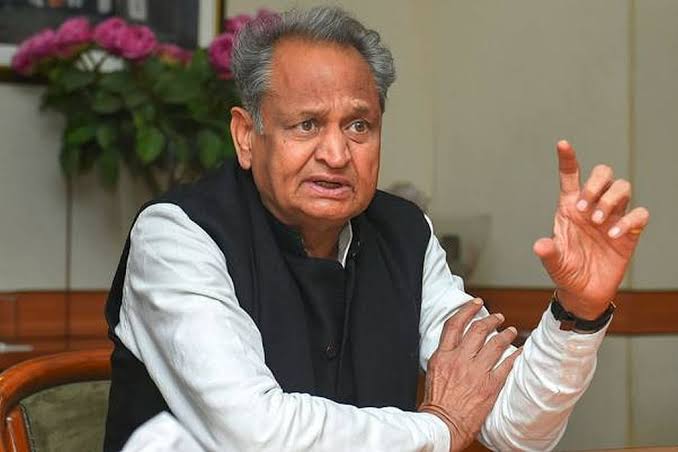
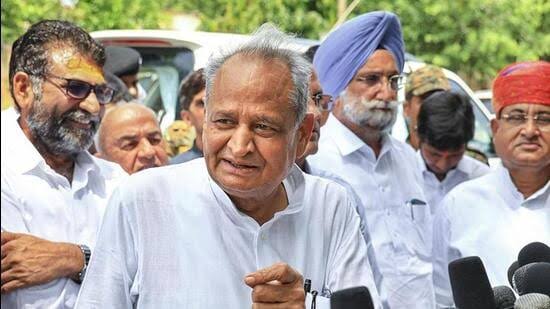

The session included MPs from both Lok Sabha and Rajya Sabha representing Rajasthan, along with Union Ministers of State Shri Bhagirath Choudhary and Shri Ravneet Singh Bittu. Shri Nadda emphasised that elected representatives play a crucial role in scaling up screening, reducing stigma and ensuring continuity of care through local oversight and public engagement.
India’s progress and persistent challenges
Highlighting national progress, the Minister pointed to a 21% reduction in TB incidence between 2015 and 2024 nearly double the global decline and a reported 90% treatment success rate, citing the WHO Global TB Report 2025. Despite gains, Shri Nadda warned that asymptomatic TB and missed cases remain a critical challenge requiring proactive outreach and improved diagnostics.
MPs pledge Ni-kshay Shivirs and community mobilisation
Rajasthan MPs committed to organising Ni-kshay Shivirs community screening camps linked to the national Ni-kshay patient management platform and to deploying Ni-kshay Mitras, volunteers who assist patients with treatment adherence, nutrition and social support. MPs promised routine oversight of TB interventions in their constituencies to ensure timely diagnosis and uninterrupted therapy.
Technology, early detection and programmatic shifts
Union Health Secretary Smt. Punya Salila Srivastava outlined strategic priorities including intensified community-based screening and the rollout of AI-driven diagnostic tools to detect TB earlier, including among asymptomatic individuals. Officials presented evidence supporting targeted active case-finding, rapid molecular testing and nutrition-focused interventions to improve outcomes.
From awareness to sustained Jan Andolan
Ministry leaders urged MPs to drive a sustained Jan Andolan a people’s movement that marries awareness campaigns with tangible services such as free testing, counselling and linkage to social support. MP-led public outreach, school campaigns and constituency-level monitoring were presented as practical levers to reduce stigma and prompt care-seeking behaviour.
Holistic support for affected families
Discussions stressed that elimination efforts must go beyond diagnostics and drugs. MPs pledged to champion community-led measures providing nutritional, psychosocial and livelihood support to people affected by TB, recognising that social protection strengthens adherence and recovery.
Cooperation across ministries
Participants noted cross-sectoral coordination is essential. Health officials outlined how partnerships with the Ministries of Agriculture, Railways and Food Processing represented at the meeting can support nutrition interventions, screening of high-risk groups, and workplace-based detection drives.
What comes next
Officials said follow-up plans include state-level consultations in Rajasthan, scheduling of Ni-kshay Shivirs, and targeted monitoring of vulnerable districts. The meeting concluded with a call for MPs to sustain pressure at the local level, ensuring TB services remain accessible and stigma-free.