
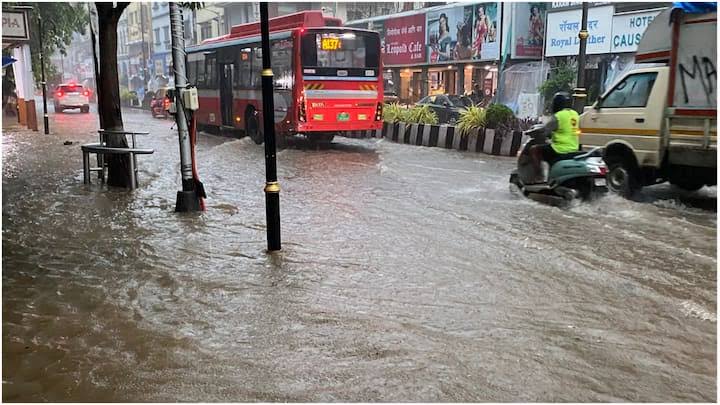
As the monsoon officially arrives, heavy rains have begun to take a serious toll on several parts of western and southern India, triggering widespread disruptions and raising concerns over safety and preparedness. From Mumbai to Kerala, the fury of nature is being felt deeply, and the stories emerging from these states paint a grim picture of hardship, resilience, and urgent calls for action.
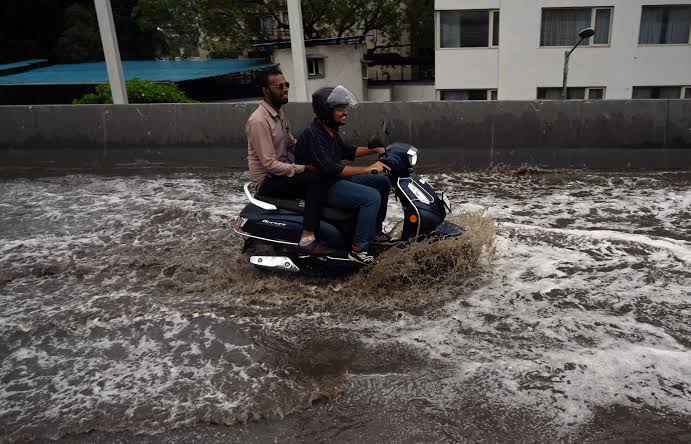

In Mumbai, what started as a welcome relief from the summer heat quickly turned into a nightmare for many. The city recorded over 250 mm of rainfall in just 13 hours, the highest ever for the month of May. Streets turned into rivers, with several areas, including hospitals and metro stations, submerged in water. Public transport services were hit hard, and stranded commuters battled traffic snarls and flooding. On Tuesday morning, light showers continued, but the India Meteorological Department (IMD) warned of more heavy rain and thunderstorms in the next 24 hours, advising caution for those stepping out.
Meanwhile, in Kerala, the situation has grown increasingly precarious. Many low-lying coastal areas, including Chellanam in Ernakulam district, have been flooded due to sea erosion and relentless rainfall. The deluge has already claimed four lives, and authorities have set up relief camps to help those displaced by the rising waters. Although there was a slight let-up in rain on Tuesday morning, the cumulative impact has led the IMD to issue red alerts for districts like Kannur, Wayanad, and Kozhikode, while several others remain on orange or yellow alert.
In Karnataka, the monsoon has left a trail of destruction, particularly in districts such as Kodagu and Hassan. Tragically, two lives have been lost due to falling trees in Virajpet taluk, with the most recent incident occurring just this morning. Landslips on the Shiradi Ghat stretch of National Highway 75 have stranded vehicles and created traffic chaos, with local authorities struggling to maintain one-way flow to prevent accidents. Chikkamagaluru Police have issued advisories urging tourists to avoid waterfalls and travel cautiously.
Elsewhere in the country, including parts of Gujarat, Himachal Pradesh, and Tamil Nadu, rainfall continues to disrupt daily life. The Indian National Centre for Ocean Information Services (INCOIS) has also issued high wave alerts for the coasts of Goa, Karnataka, Maharashtra, and Kerala, recommending that beach activities be suspended to avoid further casualties.
Amidst the chaos, stories of compassion and community support have emerged. Volunteers, local administrations, and rescue teams have been working tirelessly to help those affected. However, with forecasts predicting continued rain and potential storms in the coming days, the need for preparedness and responsive governance is more pressing than ever.
As India confronts the first major spell of the monsoon, the hope is that timely interventions, public awareness, and solidarity will help weather this storm — and those thapt may follow.