

Turning Toxins into Treatment
Prof. Ashis K. Mukherjee, Director of IASST, along with Senior Research Fellow Bhagya Lakhmi Rajbongshi, led the research. They reviewed traditional knowledge and identified 70 plant species that are both toxic and medicinally useful.
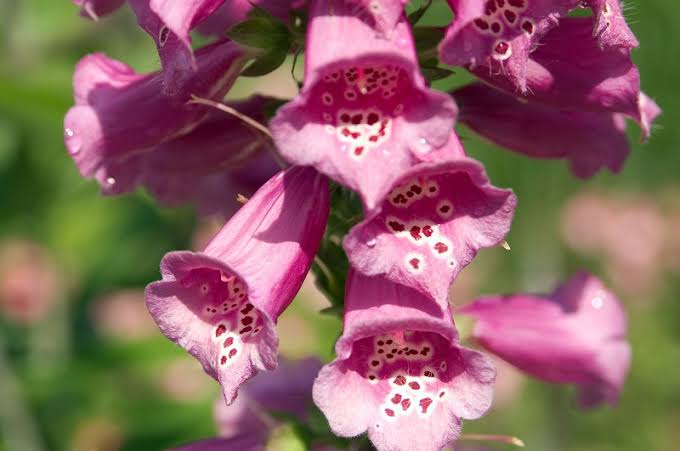

These plants, while harmful in raw form, produce phytochemicals that help them survive against predators and harsh environments. Remarkably, these same compounds can impact human biology.
Through careful extraction and modification, these toxic phytochemicals can be converted into potent therapeutic agents. This is already being recognized in modern pharmacology, where scientists are working to isolate active components and develop safe medications.
Examples include compounds used in traditional treatments for fevers, skin ailments, oedema, and snakebites. Some are also used in homeopathy and Ayurveda.
Wisdom from Ethnopharmacology
The study heavily draws from ethnopharmacology—the study of how different cultures use natural resources for healing. Tribal and rural communities in India have long used these poisonous plants for controlled medicinal purposes.
By blending traditional wisdom with scientific precision, researchers are now able to understand how these plants work, and how they can be used safely in future treatments.
Scientific Rigor for Future Use
While the potential is huge, the team at IASST emphasizes the importance of rigorous scientific testing. Toxic compounds must be carefully studied for safety and efficacy before being introduced into modern medicine.


Inline Image: Graphical representation of phytochemicals in toxic plants. (Source: IASST Journal)The path from folklore to FDA-approved drugs is long but promising. This research is a strong first step toward that goal.
International Recognition and Impact
The study has been published in Toxicon: X (Elsevier), a peer-reviewed journal focused on toxins and therapeutic research. This gives international recognition to Indian research and traditional knowledge.
It also opens doors for pharmaceutical breakthroughs. With further validation, these toxic plants could be used to develop drugs for diseases that currently lack effective treatments.