 QR-based traceability to curb fake seeds
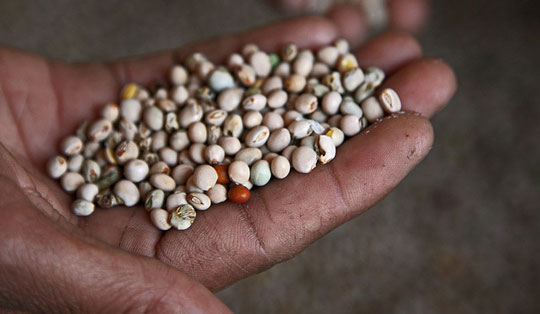
A central pillar of the Seed Act 2026 is the introduction of a nationwide seed traceability system. Under this mechanism, every seed packet sold in the market will carry a QR code, enabling farmers to instantly access details about where the seed was produced, which company supplied it and which dealer sold it.
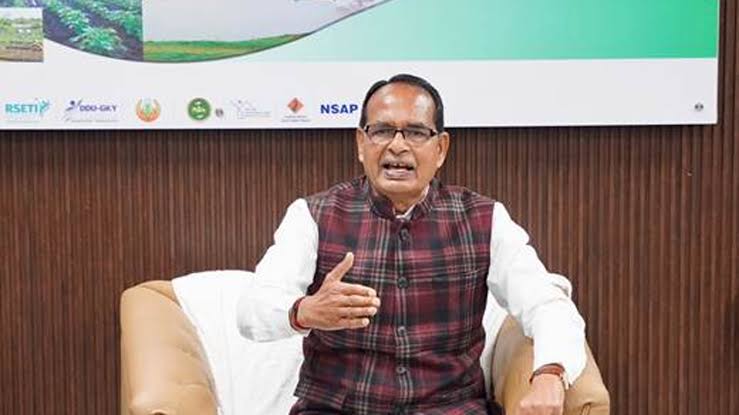
According to the Minister, this transparency will allow instant identification of fake or poor-quality seeds and ensure swift action against those responsible. The system is expected to end long-standing complaints from farmers about being cheated by misleading labels and unverified claims.
Strict penalties for substandard seeds
The proposed legislation introduces stringent penalties to deter malpractice in the seed market. While the existing law allowed fines as low as ₹500, the Seed Act 2026 proposes penalties of up to ₹30 lakh for selling substandard seeds. In cases of deliberate fraud, imprisonment of up to three years has also been предусмотр.
Shri Chouhan stressed that the government has zero tolerance for those who cheat farmers. He clarified that while genuine companies would be encouraged, deliberate offenders would face the full force of the law.
Mandatory registration of seed companies
Another major reform is the mandatory registration of all seed companies operating in India. Only authorised and registered entities will be permitted to sell seeds, effectively barring unauthorised dealers and fake firms from the market.
Details of registered companies will be made publicly available, helping farmers make informed choices. The move is expected to clean up the seed ecosystem and promote ethical business practices.
Traditional seed systems fully protected
Addressing concerns raised by farmer groups, the Agriculture Minister categorically stated that the Seed Act 2026 does not restrict traditional seed practices. Farmers will continue to have the right to save, sow, exchange and share seeds at the local level.
He cited customary rural practices where farmers exchange seeds during sowing seasons and return them later with additional quantity, emphasising that such traditions remain untouched by the new law.
Strengthening ICAR and domestic seed producers
The Seed Act introduces a three-tier framework covering public sector institutions such as the Indian Council of Agricultural Research (ICAR), domestic private seed companies and regulated evaluation of foreign seeds. Imported seeds will undergo rigorous testing before approval.
The Minister said this approach will strengthen India’s research institutions and domestic companies, ensuring quality seeds while safeguarding farmers’ interests.
Awareness drive through KVKs
Recognising the importance of farmer awareness, the government plans extensive outreach through initiatives such as the Viksit Krishi Sankalp Abhiyan. All 731 Krishi Vigyan Kendras across the country will play a key role in educating farmers about seed quality, grievance redressal and the new legal safeguards.
Shri Chouhan reiterated that agriculture remains a state subject and assured that the rights of state governments will remain intact, with the Centre playing a coordinating role.