
In a significant development that brought a moment of relief after days of rising hostility, India and Pakistan reached an “understanding” on Saturday to halt all military actions—on land, air, and sea—with immediate effect. The decision came after four intense days of conflict sparked by the tragic Pahalgam terror attack, which claimed 26 lives, most of them tourists.
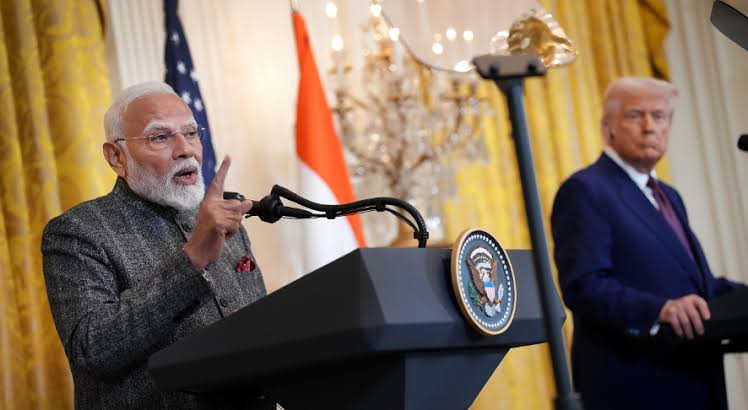

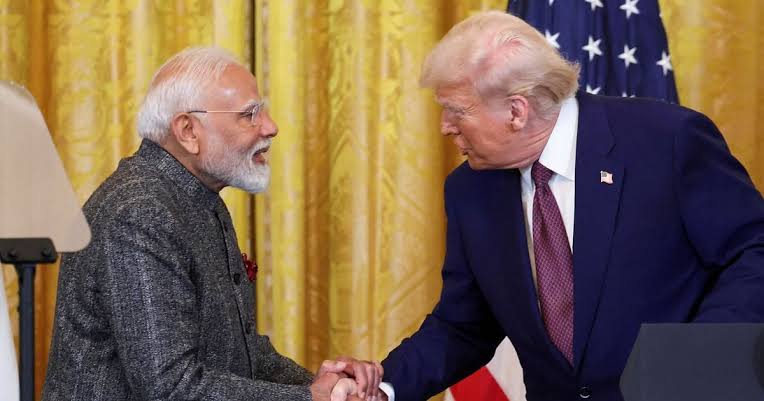
US President Donald Trump welcomed the ceasefire with a message filled with praise and hope. Posting on social media, he commended the leadership of both nations, describing the agreement as a historic and heroic step that prevented what could have been a catastrophic loss of life.
“I am very proud of the strong and unwaveringly powerful leadership of India and Pakistan… Millions of good and innocent people could have died! Your legacy is greatly enhanced by your brave actions,” Trump wrote. He further expressed America’s commitment to help strengthen peace by increasing trade with both countries and offering assistance in resolving the long-standing Kashmir issue, which he called a matter waiting for resolution “after a thousand years.”
India clarified that the ceasefire was the result of direct engagement between the military leaderships of both countries. According to Foreign Secretary Vikram Misri, the Directors General of Military Operations (DGMO) of both nations spoke in the afternoon and agreed to a full stop of hostilities beginning at 5 PM IST.
Unfortunately, the fragile understanding was short-lived. Just hours after the agreement, Pakistan reportedly violated the ceasefire by launching drone attacks on Indian cities. The Indian armed forces responded with what officials described as “adequate and appropriate” measures. Misri urged Pakistan to act responsibly and honor the commitment it made, warning that such breaches only deepen mistrust and make peace more elusive.
Tensions had escalated sharply following the April 22 terror attack in Pahalgam. In retaliation, India launched “Operation Sindoor,” targeting several terrorist installations across the border, including in Pakistan-occupied Kashmir. The Pakistani military responded with artillery fire, drone incursions, and attacks aimed at both military and civilian infrastructure.
Amid the pain and loss, there remains a glimmer of hope. The initial ceasefire agreement—however brief—was a rare moment of restraint between two nuclear-armed neighbors with a complex and strained history. Trump’s words, while politically charged, struck a chord with many who wish to see an end to the cycles of violence that have haunted the subcontinent for decades.
As people on both sides of the border continue to live with uncertainty, the longing for peace grows stronger. The world watches, hopeful that reason will prevail over rage, and that the leaders of India and Pakistan will stay committed to dialogue, understanding, and ultimately, a future free from fear.