
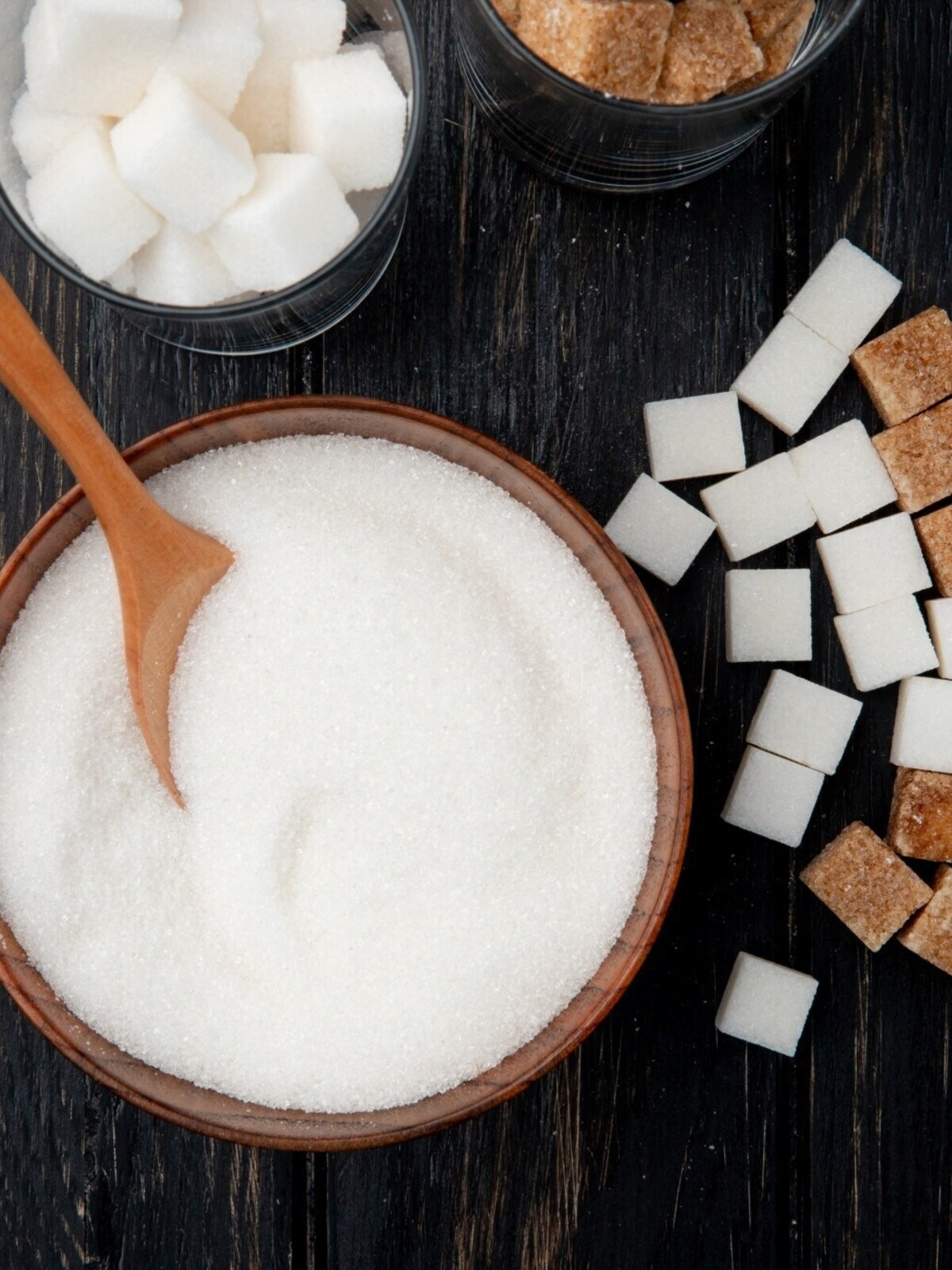

From morning chai to evening snacks, sugar remains deeply ingrained in Indian food habits. Health studies show that the average Indian consumes far more sugar than recommended, largely due to sweetened beverages, packaged foods and habitual use in tea and coffee.
This excessive intake has been linked to metabolic disorders, dental problems and neurological complications, prompting medical professionals to advocate healthier alternatives rather than complete elimination, which many find culturally difficult.
Neurologist Recommends Stevia
Addressing the issue on social media, Dr Kumar posed a simple question to readers: which sweetener is truly the healthiest? His answer was unequivocal—stevia.
According to the neurologist, stevia stands apart because it delivers sweetness without the metabolic burden associated with refined sugar. Unlike sugar, it does not spike blood glucose or insulin levels, making it suitable for people with diabetes.
Health Benefits Highlighted
Dr Kumar explained that stevia contains zero calories and can be safely used for daily consumption. Because it is significantly sweeter than sugar, only a small quantity is needed, reducing overall intake.
He further noted that stevia does not contribute to tooth decay and does not adversely affect weight management efforts, making it an attractive option for those trying to adopt healthier lifestyles.
Cultural Challenges of Quitting Sugar
Acknowledging India’s deep-rooted tea culture, Dr Kumar remarked that while he personally prefers unsweetened tea and coffee, many people find it difficult to enjoy these beverages without some form of sweetness.
For such individuals, stevia offers a practical compromise—allowing them to retain taste while reducing health risks associated with sugar.
What Exactly Is Stevia?
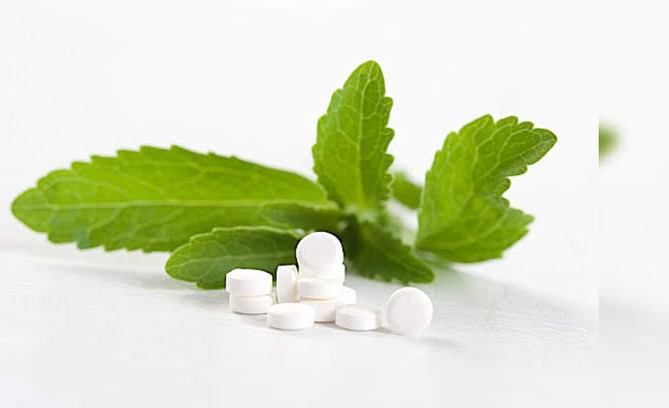
Stevia is a plant-based sweetener extracted from the leaves of Stevia rebaudiana, a plant native to South America. It has been traditionally used for centuries to sweeten beverages and herbal medicines.
In recent decades, stevia has gained global acceptance as a sugar alternative due to its natural origin and negligible impact on blood sugar levels.
Monk Fruit as Another Option
Dr Kumar also acknowledged monk fruit as a healthy alternative sweetener. However, he pointed out that it may not be as widely accessible or affordable as stevia for the average Indian household.
As a result, stevia remains the more practical choice for regular use.
WHO Guidelines on Sugar Intake
The World Health Organization recommends limiting free sugar intake to less than 10 percent of daily energy consumption, with additional health benefits seen when reduced below 5 percent.
Despite these guidelines, most Indians unknowingly exceed safe limits due to hidden sugars in processed foods, increasing the risk of type 2 diabetes and cardiovascular disease.
Balanced Choices Key to Better Health
Health experts caution that no sweetener should be consumed in excess. While stevia is considered safe, moderation and overall dietary balance remain essential.
Dr Kumar’s advice reinforces the need for informed choices rather than fad-driven diets, especially in a country facing a growing burden of lifestyle diseases.