
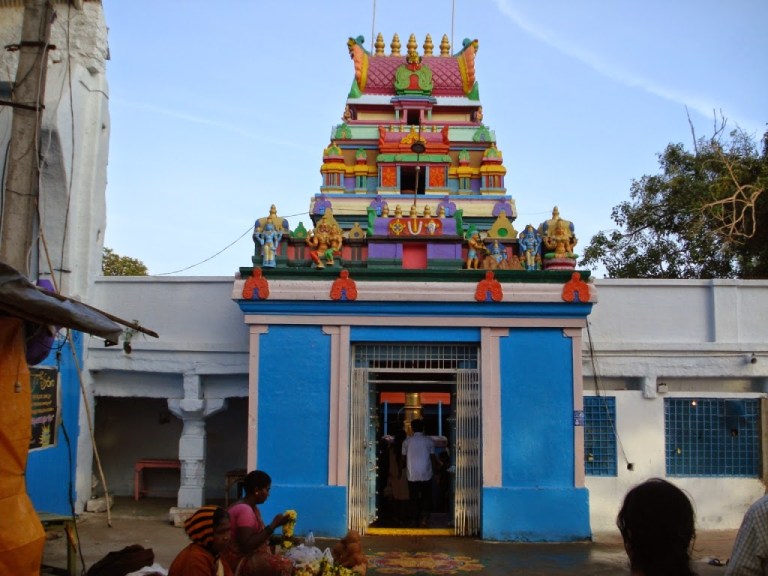
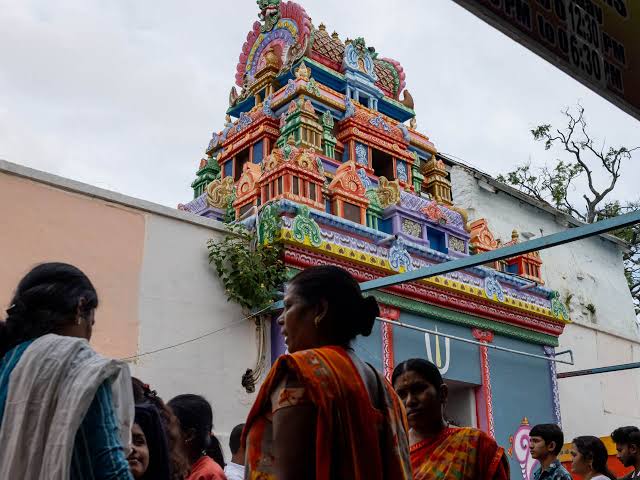
The Chilkur Balaji temple, dedicated to Lord Venkateswara, is steeped in history and folklore. Unlike other temples that attract pilgrims for health or wealth, this one has carved a unique identity. Over the past few decades, it has become synonymous with hopes of international travel and migration.
Devotees believe that offering prayers here increases their chances of obtaining visas to countries such as the United States, United Kingdom, Canada, and Australia. Some even bring their travel documents for blessings, treating the temple as a bridge between faith and aspiration.
Faith Meets Aspiration
In a country where migration for higher education and employment has become a dream for millions, the temple offers psychological comfort. “If we come here and pray, we get a visa,” say many first-time visitors, echoing the sentiment that has given the temple its moniker.
Local priests emphasize that the temple does not promise visas but provides a space where faith and determination intertwine. Many families return to the shrine after successfully traveling abroad, performing rituals of gratitude before heading overseas.
Economic and Cultural Impact
The temple’s popularity has boosted local businesses, from flower vendors to food stalls, creating a thriving ecosystem around it. Tourism boards and cultural studies experts have also noted the phenomenon as a reflection of India’s evolving aspirations in a globalized world.
For Hyderabad, a city already known as a tech hub with strong international connections, the “Visa Temple” adds another dimension to its identity. It symbolizes not just devotion but also the desire to embrace opportunities abroad.
Balancing Tradition with Modernity
What makes the temple remarkable is how it blends ancient traditions with modern-day goals. Rituals such as chanting and circumambulations (parikrama) are performed alongside heartfelt prayers for visas and overseas opportunities.
This phenomenon has attracted attention from international media outlets, further cementing the temple’s global reputation. Scholars of religion and migration have described it as a cultural expression of India’s outward-looking youth and professionals.
A Symbol of Hope
For many, the Chilkur Balaji temple is more than a religious site—it is a symbol of hope. It reminds devotees that while visas and opportunities may depend on merit, paperwork, and global policies, faith continues to play a vital role in people’s journeys.
The temple stands as an enduring example of how belief systems adapt to new realities. In the words of one devotee, “We do our preparation, but here we get the courage to face the world.”