
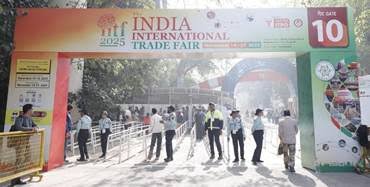

Housed within the redeveloped Pragati Maidan precinct, Bharat Mandapam offers modern exhibition halls and a large convention centre that together position New Delhi as a major destination for national and international trade fairs. The complex provides exhibitors a professional setting to display goods, meet bulk buyers and access institutional support. For organisers and participants alike, the upgraded infrastructure has made IITF a more efficient platform for commerce and cultural exchange.
Why IITF Matters for MSMEs and Artisans
IITF is not just an exhibition; it acts as an economic ecosystem. For many participants, immediate sales are only part of the value: follow-up orders, long-term buyers, institutional linkages and exposure to new packaging or branding ideas matter as much. Exhibitors frequently report that profits from the fair equate to several months of rural incomes, while post-fair orders sustain livelihoods over the year.
In 2024 IITF attracted more than one million visitors, underscoring the scale of opportunity for exhibitor discovery and market traction. The fair’s reach helps small brands evolve into repeat suppliers and formal sellers in organised channels.
Stories from the Stalls: Craft, Farm and Tradition
Bihar: Bhagalpuri Silk Finds a New Audience
At the Bihar pavilion, Sridhi Kumari, a first-time exhibitor, arranges Bhagalpuri silk and zari sarees—products supported by state entrepreneurship schemes and prized for their GI-tagged identity. She says administrative guidance and prior participation in regional fairs helped her prepare pricing and packaging for the national audience.
Nalanda Weaver: Repeat Customers and Respect
Tarun Pandey of Nalanda returns for his eighth IITF with Baavanbuti sarees. He values the fair’s repeat customers, noting that sales here typically amount to two months’ income, with high-end pieces priced up to ₹10,000. For traditional weavers, IITF sustains both craft and continuity.
Farmer-Entrepreneur: Organic Produce from Maharashtra
Prahlad Borgad of Hingoli brought organic pulses, turmeric and pickles under his ‘Surya Farmers’ label. With help from state MSME and self-help groups, Borgad uses IITF to build contacts and secure orders that translate into months of rural income and recurring phone orders after the fair.
Godhari Quilts & Tribal Lac Bangles
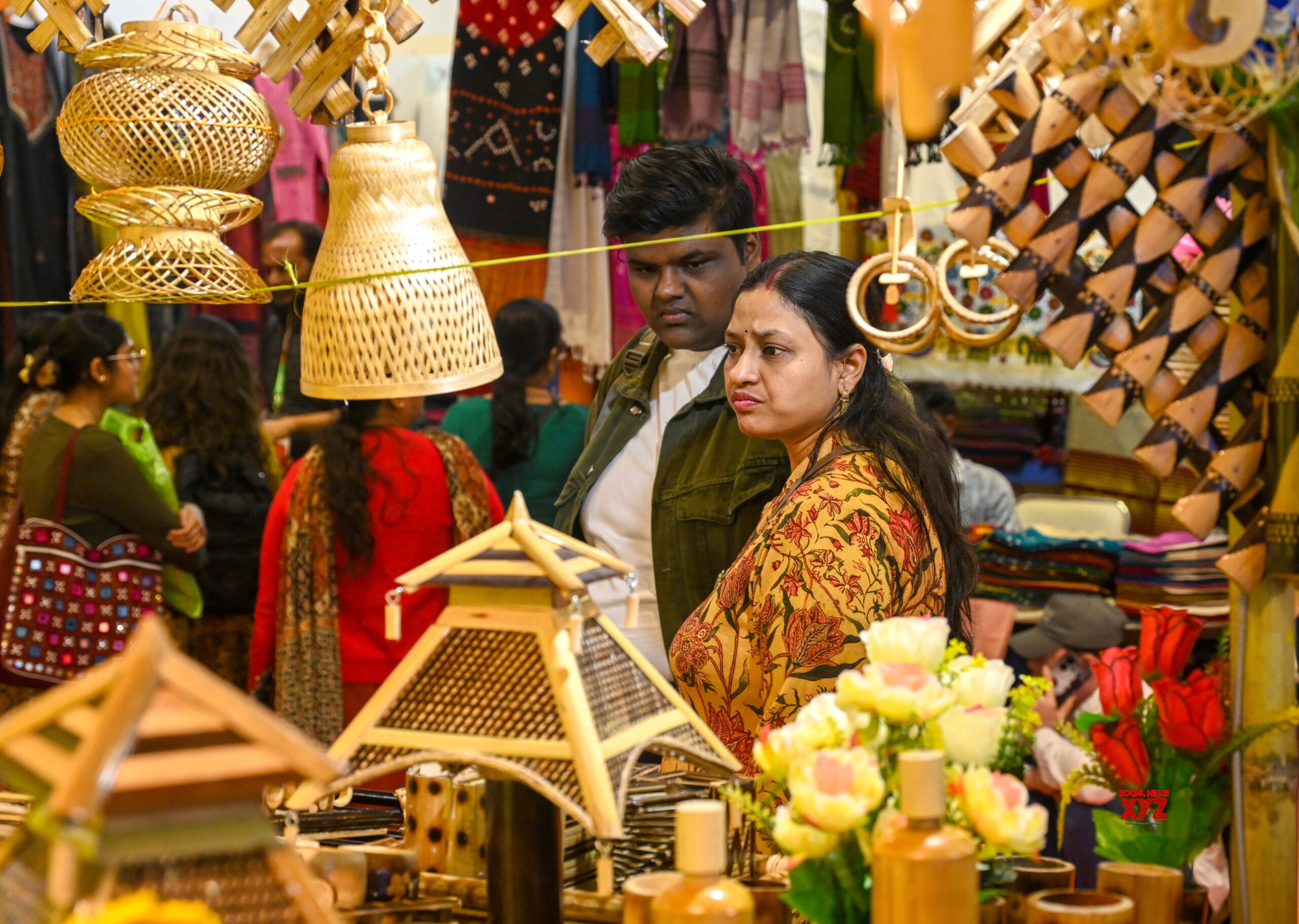
Rukmani Salge from Latur presented handcrafted Godhari quilts—each taking several days of meticulous stitching—while Jharkhand’s Jhabar Mal showcased lacquer (lac) bangles that support nearly 400 Adivasi women through cooperative production channels. For both, IITF offers visibility that counters mass-produced competition and sustains artisanal livelihoods.
Policy Linkages and State Showcases
State pavilions and central agencies such as Khadi and Village Industries Commission (KVIC) amplify the fair’s impact by providing schemes, market linkages and curated showcases for regional products. These institutional presences help participants navigate formal market entry and government support programs.
Trade Fairs as Launchpads for Growth
Exhibitors travel hundreds of kilometres to secure a limited stall space because IITF reliably produces buyers, media attention and follow-up business. As India pursues objectives under the Viksit Bharat 2047 roadmap, trade fairs like IITF underline how grassroots enterprise, when connected to national platforms, fuels inclusive growth.