
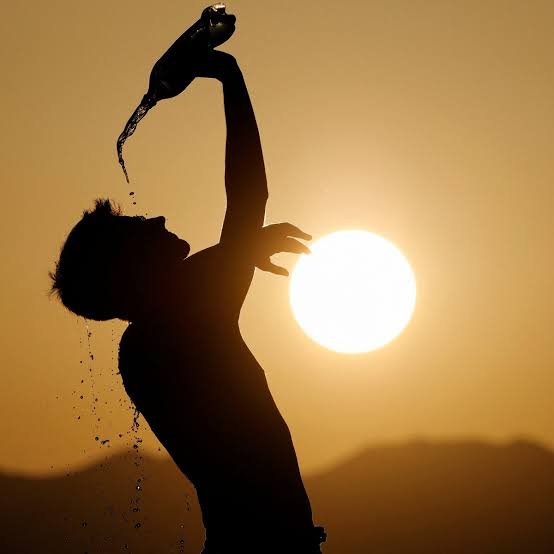

IMD Director General Mrutyunjay Mohapatra said that maximum temperatures during the March–May season are expected to remain above normal over most regions of India. However, parts of northwest and central India may experience normal to slightly below-normal daytime temperatures during this period.
Night temperatures are also projected to stay above normal across much of the country. Exceptions may include parts of the south peninsula and select areas where minimum temperatures could remain near or below average.
Heatwave Days to Increase
The weather department has warned of above-normal heatwave days in several states. Regions expected to be particularly affected include West Rajasthan, Gujarat, Haryana, Punjab, south and east Maharashtra, east Uttar Pradesh, Bihar, Jharkhand, Gangetic West Bengal, Odisha, Chhattisgarh, Telangana, Andhra Pradesh, north interior Karnataka and parts of north Tamil Nadu.
For March specifically, isolated pockets in Gujarat and Andhra Pradesh may witness more frequent heatwave conditions. Other parts of the country are likely to experience heatwave activity within normal limits during the month.
March Outlook and Rainfall
Interestingly, for March alone, maximum temperatures over many parts of India may remain normal to below normal. However, northeast India, adjoining eastern regions, parts of the western Himalayan belt, and sections of central and peninsular India are likely to record above-normal daytime temperatures.
Rainfall during March is forecast to be normal to above normal across several regions. However, northeast India and parts of northwest and east-central India could see below-normal rainfall. The long period average rainfall for March, based on historical data from 1971–2020, stands at 29.9 mm.
Public Health and Infrastructure Risks
IMD has cautioned that increased heatwave conditions may pose significant risks to public health, particularly for elderly citizens, children, outdoor workers and individuals with pre-existing medical conditions. Prolonged exposure to high temperatures can lead to dehydration, heat exhaustion and other heat-related illnesses.
Higher temperatures are also expected to put pressure on water resources, increase power consumption, and strain essential services. Authorities have advised state governments and district administrations to ensure preparedness, including adequate drinking water supply, operational cooling shelters and strengthened health monitoring systems.
Citizens can monitor official weather alerts and advisories through the IMD’s website at https://mausam.imd.gov.in and follow safety guidelines issued by the National Disaster Management Authority at https://ndma.gov.in.
Impact on Agriculture
Despite the heat forecast, agricultural scientists have expressed optimism regarding the wheat crop, which occupies the largest sowing area during the rabi season. According to experts, the current combination of warm days and relatively cool nights is maintaining optimal conditions for wheat growth.
The average mean temperature remains within the suitable range required for healthy crop development. If prevailing weather conditions continue through March, farmers could see stable yields and good grain quality.
Data from the agriculture ministry shows that rabi sowing for the 2025–26 season has expanded to 67.68 million hectares, marking an increase of over 1.58 million hectares compared to the previous year. Wheat coverage alone has risen significantly, while pulses and oilseeds have also seen expansion.
Preparing for a Long Summer
India has experienced increasingly intense summers in recent years, often breaking temperature records in several states. The 2026 forecast underscores the need for climate resilience measures and public awareness campaigns.
Experts recommend that citizens stay hydrated, avoid direct sun exposure during peak afternoon hours, and check regular weather updates. Employers are also encouraged to adjust work schedules for outdoor labour where possible.
With summer approaching, the IMD’s forecast serves as an early warning for both policymakers and the public. Proactive steps taken now could significantly reduce the impact of extreme heat in the coming months.