
India is making remarkable strides in improving the health and well-being of mothers and children, with recent data showing a steady and encouraging decline in maternal and child mortality across the country. According to the latest Sample Registration System (SRS) Report 2021 released by the Registrar General of India, the nation is progressing firmly towards achieving its Sustainable Development Goal (SDG) targets by 2030—outpacing global averages in several key health indicators.


Encouragingly, the Total Fertility Rate has remained stable at 2.0, indicating a balanced population growth trend, while the Sex Ratio at Birth has shown improvement from 899 to 913—an important indicator of changing societal attitudes and enhanced efforts towards gender equality.
States like Kerala, Maharashtra, Telangana, and Tamil Nadu have already met or surpassed the SDG target for maternal mortality (MMR ≤70), and a dozen others have achieved or are nearing the child mortality targets. Such widespread regional progress underscores the success of decentralized health initiatives and state-level commitment to maternal and child care.
International recognition further validates India’s efforts. The United Nations Maternal Mortality Estimation Inter-agency Group reported that India’s MMR declined by 86% from 1990 to 2023—far exceeding the global average reduction of 48%. Similarly, the UN Inter-agency Group for Child Mortality Estimation acknowledged India as one of the top performers in child health, with a 78% decline in U5MR, 70% drop in NMR, and 71% reduction in IMR since 1990—all ahead of global progress.
Behind these achievements lies a coordinated, multi-pronged approach by the Government of India. National programs such as Ayushman Bharat, the world’s largest health assurance scheme, offer financial protection and access to high-quality healthcare services, especially for the most vulnerable. Every pregnant woman is entitled to free institutional delivery—including caesareans—comprehensive diagnostics, medicines, transport, and nutritional support.
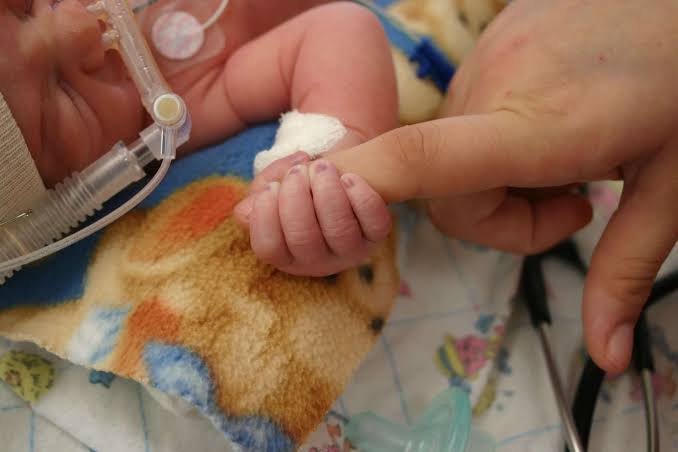
The government has also significantly strengthened healthcare infrastructure. Newborn and maternal care units, Maternity Waiting Homes, and intensive care facilities ensure timely and specialized care. Essential clinical practices like antenatal corticosteroids for preterm births, CPAP support for newborns, and regular screening protocols are helping save lives and improve outcomes for millions of mothers and children every year.
A major emphasis has also been placed on training and deploying skilled healthcare workers, including midwives and community health officers, to deliver consistent and compassionate care. Digital platforms for real-time health data monitoring are empowering better decision-making and policy development at every level.
India’s journey is not just about meeting targets—it’s about creating a future where no woman dies giving life, and every child has the chance to grow up healthy. These milestones represent not just statistical success, but real hope and dignity for millions of Indian families.