
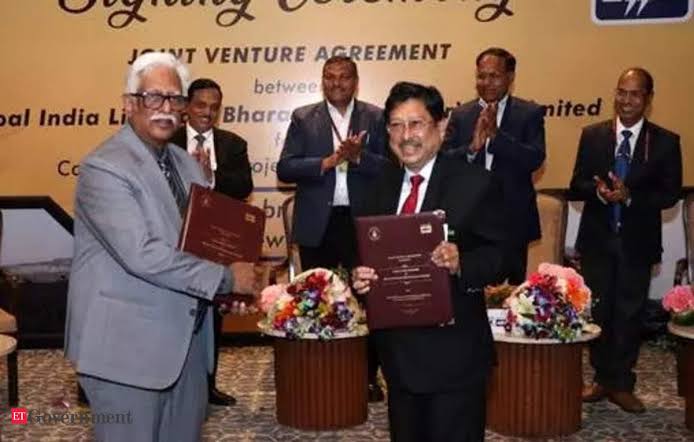
In a promising move towards cleaner and more sustainable energy solutions, the Ministry of Coal has formalized agreements with selected entities under Category II of the Coal Gasification Financial Incentive Scheme. These agreements, known as the Coal Gasification Plant Development and Production Agreements (CGPDPA), mark a major milestone in India’s journey to leverage its vast coal reserves in a more environmentally responsible manner.
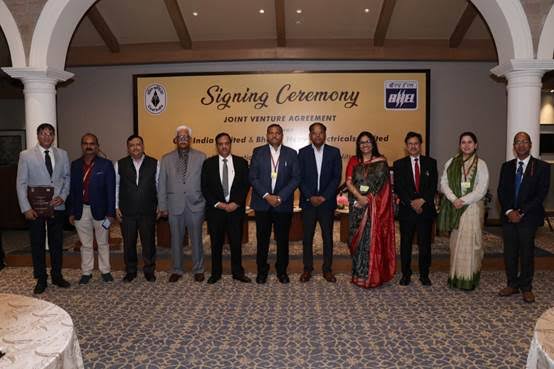

The ceremony, held with due solemnity and purpose, was attended by key officials from the Ministry of Coal including Additional Secretary Shri Sanoj Kumar Jha, OSD (Technical) Shri Asheesh Kumar, and Director (Technical) Shri BK Thakur. Their presence underscored the government’s commitment to this transformational initiative.
Among the selected applicants under this phase are notable industry players—Jindal Steel and Power Limited, New Era Cleantech Solution Private Limited, and Greta Energy and Metal Private Limited. Their inclusion reflects a healthy blend of private enterprise and government participation, signaling confidence in collaborative progress.
Introduced in January 2024, the Coal Gasification Financial Incentive Scheme has a financial outlay of ₹8,500 crore. The goal is ambitious but crucial—achieving 100 million tonnes of coal gasification by 2030. This effort is not just about energy conversion; it’s a broader mission to foster cleaner industrial growth while enhancing the country’s energy independence.
This initiative carries profound implications for India’s future. By shifting towards coal gasification, the government aims to significantly reduce the environmental burden of conventional coal usage, promote innovation in clean energy technologies, and build robust infrastructure that can sustain future demands. It also opens new avenues for investment and employment, particularly in regions dependent on coal-based industries.
As the world continues to grapple with the pressing challenge of climate change, India’s steps like these reflect a compassionate and practical approach to balancing development with sustainability. The Coal Ministry’s proactive efforts are a testament to a vision where economic progress does not come at the cost of environmental well-being, but rather walks hand in hand with it.