
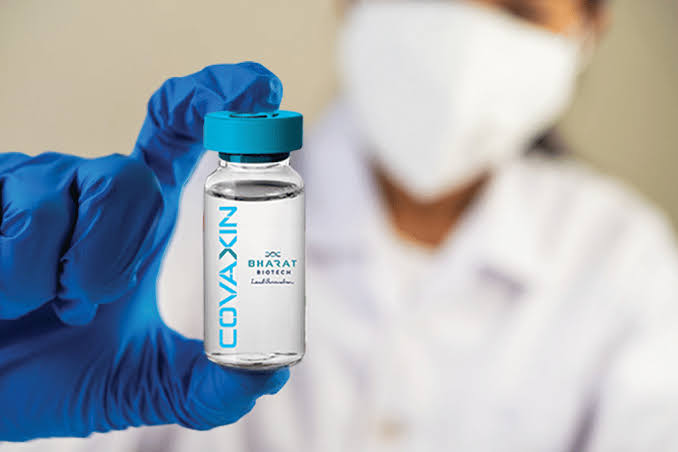


According to the Health Ministry, the vaccine development program is being led by ICMR in collaboration with national research institutions. The candidate vaccine has already cleared animal challenge studies and toxicity assessments, demonstrating promising safety and immune response profiles.
Following approval from the Central Drugs Standard Control Organization (CDSCO), Phase-I human trials have now commenced. This phase focuses on evaluating the vaccine’s safety and tolerability in healthy adult volunteers before proceeding to larger efficacy trials.
Designed for Regional Disease Control
Kyasanur Forest Disease is transmitted to humans through infected tick bites and occasionally through contact with infected animals. The illness can cause sudden fever, headache, muscle pain, and in severe cases, neurological complications and hemorrhagic symptoms.
The Health Ministry noted that the new vaccine is being developed specifically to address regional disease patterns in states such as Karnataka, Kerala, Tamil Nadu, Goa, and Maharashtra. These regions continue to report sporadic KFD cases, especially during peak forest activity seasons.
Two-Dose Indigenous Formulation
Officials confirmed that the vaccine under development is a two-dose, adjuvanted, inactivated formulation. The doses are planned to be administered 28 days apart, aligning with immunization strategies suited for high-risk populations in endemic zones.
The initiative was undertaken at the request of the Karnataka government, which has consistently faced KFD outbreaks in forest-fringe districts. State health authorities have welcomed the progress, calling it a crucial step toward long-term disease prevention.
Public Health Significance
Health experts believe that an effective indigenous KFD vaccine will significantly reduce dependence on limited or older vaccine options while ensuring better supply chain stability. Indigenous production also enables quicker adaptation to evolving viral strains and regional requirements.
The vaccine initiative aligns with India’s broader push for self-reliance in healthcare and biomedical research, complementing national programs aimed at strengthening disease surveillance and outbreak response.
Way Forward
If Phase-I trials confirm safety, the vaccine will advance to subsequent clinical phases to evaluate immune response and effectiveness in larger populations. The Health Ministry stated that all trials will adhere to strict ethical and scientific standards.