
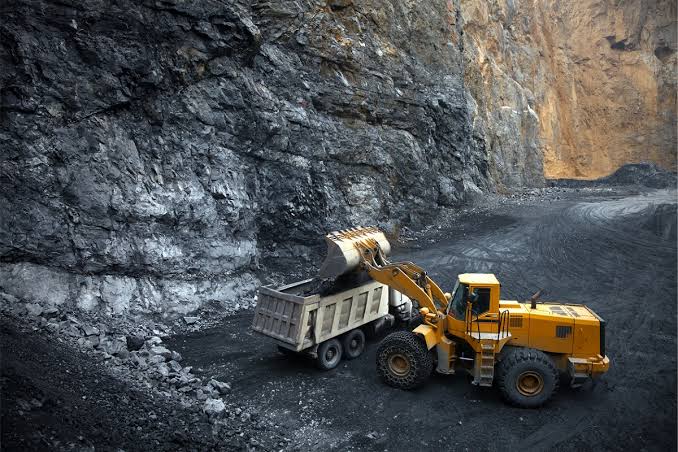
India’s Coal Sector Crosses a Major Milestone with 200th Block Allocation
India’s Ministry of Coal has reached a landmark achievement with the allocation of its 200th coal mine, a symbolic and strategic victory in the country’s push toward energy self-reliance. The Marwatola–II coal block has been awarded to Singhal Business Private Limited, signaling the increasing role of the private sector in a historically state-dominated space.
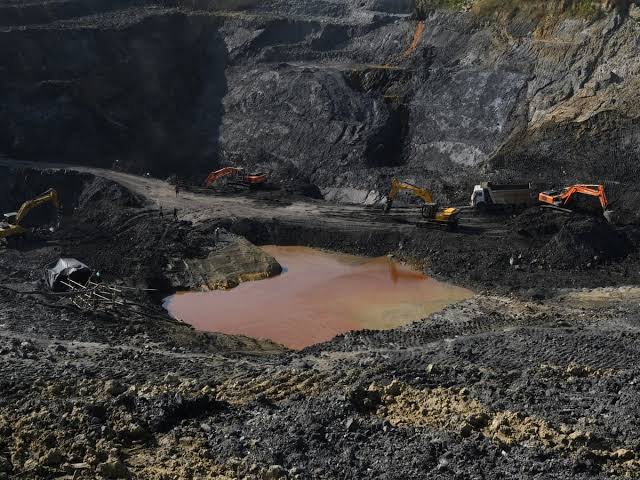

The allocation marks a clear shift in India’s coal strategy. It reflects the government’s focus on fostering a transparent and competitive coal ecosystem through key reforms such as:
Commercial coal mining introduced in 2020
Single-window clearance system for faster approvals
Adoption of digital monitoring tools for better governance
These initiatives have collectively transformed India’s coal landscape, making it more attractive to private investors and efficient for national use.
Energy Security with Strategic Intent
The 200th block is not just a numerical achievement. It signifies India’s vision to reduce dependence on coal imports, which stood at over 200 million tonnes annually just a few years ago. Increased domestic mining capacity enhances:
Long-term energy security
Foreign exchange savings
Stable coal supply to sectors like power, steel, and cement
This is crucial as India targets rapid industrial expansion and clean energy transition over the next decade.
Marwatola–II: A Future-Ready Allocation
Awarded to Singhal Business Private Limited, the Marwatola–II coal block is expected to be operationalized quickly thanks to reduced procedural bottlenecks. With enhanced coordination among state and central agencies, new projects can move from allocation to production in shorter timeframes.
Commitment from the Nominated Authority
The Nominated Authority of the Ministry expressed gratitude to industry players for their active participation and trust. Their continued interest showcases growing confidence in coal sector reforms and its investment viability.
Long-Term Impact on the Economy
The expansion of domestic coal production aligns with broader national goals such as:
Atmanirbhar Bharat (Self-Reliant India)
Make in India initiative
Job creation in mineral-rich states like Jharkhand, Odisha, Chhattisgarh, and Madhya Pradesh
Cleaner and efficient mining with modern technology
Policy Push and Future Prospects
Since 2014, India has aggressively restructured its coal policy. Today’s allocation success is the result of:
Clear regulatory reforms
Auction-based allocations with full transparency
Enhanced ease of doing business in the mining sector
As India moves toward a balanced energy mix, coal remains a cornerstone for base-load electricity, especially during the green transition period.
Conclusion
The 200th coal block allocation is more than a headline—it is a marker of India’s forward-thinking energy policy and successful implementation. The Ministry of Coal’s achievement reflects its reformist spirit, driving both growth and resilience in the energy sector.
Commercial Coal Mining in India Explained