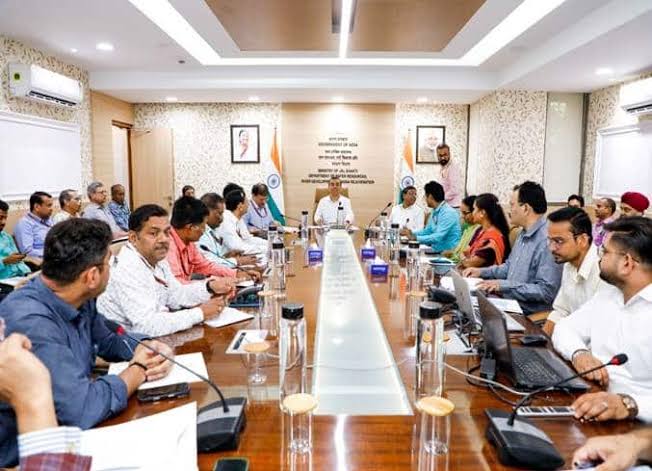
In a significant development after days of escalating tensions, India and Pakistan have agreed to a ceasefire, halting all military action across land, air, and sea from 5 PM today. The breakthrough followed a call between the Director Generals of Military Operations of both countries and comes after a difficult period marked by cross-border attacks, diplomatic strains, and public anxiety.
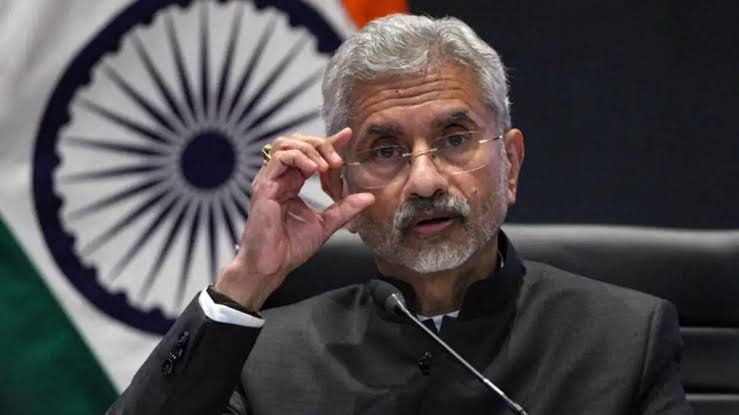
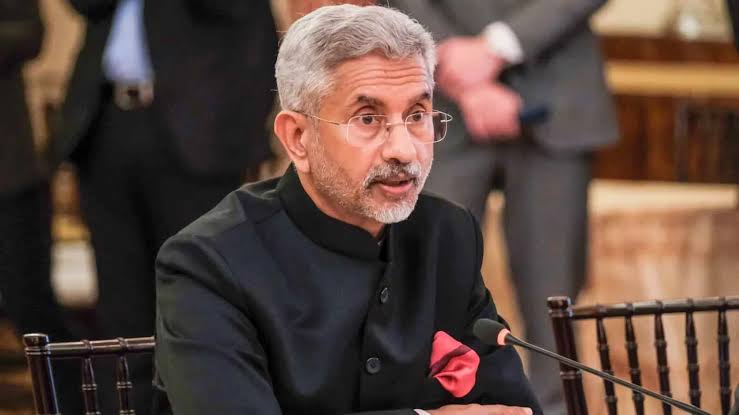 Foreign Minister S. Jaishankar, in a strong statement, made it clear that while India has agreed to the ceasefire, its stance on terrorism remains unchanged. “India has consistently maintained a firm and uncompromising stance against terrorism in all its forms and manifestations. It will continue to do so,” he stated, underlining the nation’s resolve in the face of persistent threats.
The ceasefire announcement was first confirmed by Foreign Secretary Vikram Misri. His statement coincided with an unexpected announcement from U.S. President Donald Trump, who revealed that the agreement had followed a “long night of talks” mediated by the United States—a notable shift from the country’s earlier hands-off stance. Just a day prior, U.S. Vice President JD Vance had maintained that the conflict was fundamentally not America’s business, highlighting Washington’s broader strategy of international non-intervention.
While the ceasefire may signal a momentary pause in active hostilities, Indian officials stressed that this is a “conditional” truce. According to sources, India’s firm diplomatic position remains unchanged, especially regarding the Indus Waters Treaty, which had been suspended in the wake of heightened tensions.
The conflict surged following the tragic terror attack in Pahalgam, Jammu and Kashmir, on April 22, where 26 innocent lives—mostly tourists—were lost in a brutal ambush by heavily armed militants. India has blamed Pakistan for the attack, a claim strongly denied by Islamabad. The incident deeply wounded the national conscience and triggered a swift and resolute response from New Delhi.
In the days that followed, India launched “Operation Sindoor,” targeting nine identified terror sites across Pakistan and Pakistan-occupied Kashmir. The operation, which India has described as “precise and necessary,” prompted retaliatory strikes by Pakistan using drones and missiles. However, Indian forces responded with what they described as a “befitting reply,” successfully repulsing the attacks with minimal damage reported.
Wing Commander Vyomika Singh addressed the media earlier, emphasizing the armed forces’ readiness to respond to any future provocations. “Every misadventure by Pakistan has been met with strength, and every future escalation will invite a decisive response,” she said. Her words echoed the nation’s mood—one of grief, resilience, and unwavering resolve.
The coming days will witness further military talks, with another conversation between the Director Generals of Military Operations scheduled for Monday at noon. While this ceasefire may offer a temporary window for peace, it remains shadowed by the pain of recent losses and the enduring challenge of terrorism.
In this moment of cautious calm, the country stands united—grieving its dead, honoring its soldiers, and hoping that peace, however fragile, can find a place amidst the ruins of conflict.