The Online Gaming Bill and Its Impact
The Promotion and Regulation of Online Gaming Bill, 2025 criminalises the offering, promotion, and financing of online gambling platforms. Offenders may face up to five years in prison. The government says the law is aimed at protecting citizens from addiction, financial losses, and fraudulent practices.
The ban directly affects card games, online poker, and fantasy sports platforms such as Dream11, which has been a leading sponsor of the Indian cricket team since July 2023. With the law’s passage, the Board of Control for Cricket in India (BCCI) has stated it will fully comply with government policy. “If it’s not permissible, we’ll not do anything,” BCCI secretary Devajit Saikia said.
 Dream11 and Other Platforms React
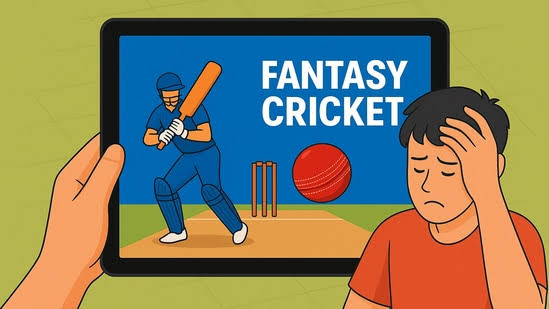
Dream11, India’s largest fantasy sports operator, announced on Friday that it had discontinued all cash-based contests. The company urged fans to “stay tuned” while keeping free-to-play formats active until the bill is formally ratified by the president. Other gaming platforms are expected to follow suit.
The law will likely disrupt sponsorship revenues for Indian cricket, with uncertainty surrounding Dream11’s three-year deal as Team India’s jersey sponsor.
Why the Ban Was Introduced
According to government figures, online gambling companies were stripping nearly $2.3 billion annually from India’s 450 million users. Officials cited rising cases of financial distress, addiction, and even suicides linked to online betting. The platforms were also connected to money laundering, fraud, and potential terrorism financing.
A government statement noted: “This legislation is designed to curb addiction, financial ruin and social distress caused by predatory gaming platforms that thrive on misleading promises of quick wealth.”
What Remains Legal
The bill draws a clear distinction between gambling-based games and constructive digital recreation. E-sports, social gaming, and educational games are exempt from the ban. Prime Minister Narendra Modi highlighted that the law will encourage the growth of e-sports and online educational games, while shielding society from the harmful effects of betting-based apps.
Ashwini Vaishnaw, Minister of Technology, emphasised that the legislation separates “social games and e-sports” from “fantasy money games that exploit users with false promises of profit.”
Industry Pushback and Future Challenges
Industry groups had lobbied for regulated taxation instead of a blanket ban, warning that players may shift to illegal offshore platforms. However, supporters of the bill argue that the social costs of gambling outweigh potential tax revenues.
India is one of the world’s largest gaming markets, and this law marks a dramatic shift in the government’s approach. Observers believe the legislation may open new opportunities for regulated e-sports and educational tech firms, even as fantasy sports companies face an uncertain future.