
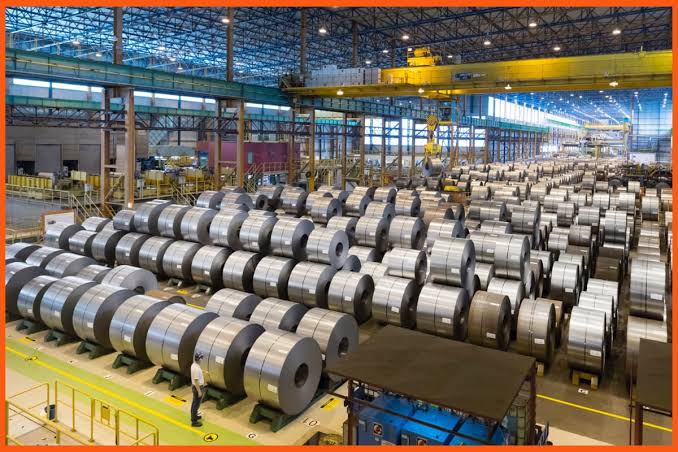


First introduced in 2017, the DMI&SP policy has evolved with the changing landscape of the Indian steel sector. The latest revision is more than just a bureaucratic update—it’s a push toward Atmanirbhar Bharat.
Now, all Government Ministries, Departments, and PSUs are mandated to procure steel that is manufactured entirely within the country. This includes melting, processing, and finishing of steel products.
This move ensures that public funds go toward building domestic capability, instead of relying on imported alternatives.
Updated Guidelines and Local Content Requirements
The Ministry has also issued a revised list of capital goods which can be imported along with the minimum local content requirements for each.
This balance aims to support Indian manufacturers while also acknowledging the need for select high-end machinery from abroad. It allows flexibility without compromising on the goal of boosting Indian production.
For example, if a specific piece of equipment is not yet manufactured in India, the policy provides leeway to import it—while still ensuring that the majority of the production process remains domestic.
Relaxed Entry Barriers for Indian Technology Suppliers
To support innovation, the policy now makes it easier for Indian technology suppliers to participate in tenders for steel plant setups.
Earlier, Indian firms often lost out to global companies due to lack of prior experience. Recognizing this, the government has issued new guidelines to relax entry conditions—especially for public sector steelmakers like SAIL and RINL.
This is a game-changer. Indian firms can now bid for projects that previously seemed out of reach. The goal is to create a competitive ecosystem that nurtures domestic talent and technology.
Driving the ‘Make in India’ Vision
This policy aligns with key national priorities like ‘Make in India’, ‘Vocal for Local’, and ‘Aatmanirbhar Bharat’. By encouraging the use of Indian-made steel, the policy strengthens supply chains, promotes employment, and reduces the trade deficit.
It also has downstream benefits for allied sectors like logistics, construction, and equipment manufacturing.
Wider Impact on the Economy
India is the second-largest steel producer in the world. However, the sector still relies on critical imports, especially for technology and specialized equipment.
The revised DMI&SP policy will play a key role in building capabilities in steelmaking technologies. This includes raw material processing, automation, and energy-efficient production methods.
In the long run, this will boost India’s global competitiveness in the steel market.
Conclusion
The revision of the DMI&SP policy is timely and strategic. It blends national interest with industrial growth. By encouraging domestic procurement and easing access for Indian technology providers, the government is not only protecting local industry—but also preparing it to compete globally.
This move reflects India’s bold steps toward economic independence. And it proves that strong policy decisions can build strong industries.