
Fly Ash Utilisation Trends
The utilisation pattern for 2024–25 reflects the diversity of fly ash applications. Around 32% of total fly ash went into road and flyover construction, while 27% was absorbed by the cement industry. Manufacturing of bricks and tiles accounted for 14%, followed by 11% in backfilling and 10% in mine filling. Smaller shares went to agriculture and ready-mix concrete, averaging between 1–2%.
These figures highlight the vital role of fly ash as a low-cost, eco-friendly substitute in infrastructure and industrial projects. Government policies mandating fly ash use in construction, mining, and manufacturing have further accelerated adoption across multiple sectors .

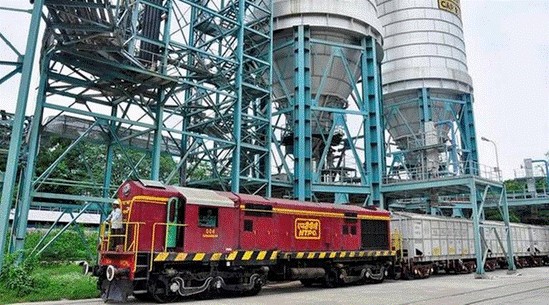
The Indian Railways is positioning itself as a key enabler of sustainable fly ash transport. Offering both a cleaner and more economical option, the Railways has introduced attractive freight concessions to encourage large-scale movement of fly ash to industries nationwide. This effort reduces carbon emissions while ensuring efficient distribution of the material.
Shri Hitendra Malhotra, Member (Operations & Business Development), Railway Board, highlighted that the sector has the capacity to significantly expand its contribution, aligning with India’s decarbonisation and cost-competitiveness goals.
Conference Highlights
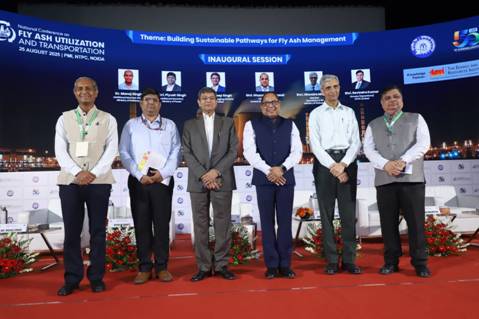
The conference at NTPC’s Power Management Institute in Noida facilitated extensive discussions on innovative approaches for fly ash handling, transportation, and utilisation. Experts emphasised the need for integrated strategies that leverage public-private partnerships to enhance efficiency and scalability.
Dignitaries including Shri Ghanshyam Prasad, Chairperson of the Central Electricity Authority (CEA), Shri Gurdeep Singh, CMD of NTPC, and Shri Piyush Singh, Additional Secretary, Ministry of Power, shared their perspectives. The event was steered under the leadership of Dr. Manoj Singh, Additional Member (Marketing & Business Development), Ministry of Railways.
Balancing Challenge and Opportunity
Fly ash, a by-product of thermal power generation, has long posed disposal challenges. However, the material also represents a valuable resource with applications in infrastructure, agriculture, and manufacturing. Effective utilisation not only minimises environmental risks but also reduces reliance on virgin raw materials, contributing to sustainable development.
The deliberations in Noida are expected to shape a roadmap for more robust fly ash utilisation practices. As stakeholders collaborate to turn waste into wealth, India is setting an example in building a resource-efficient economy while meeting its infrastructure needs.