
Quality Control Orders Are Changing the Game
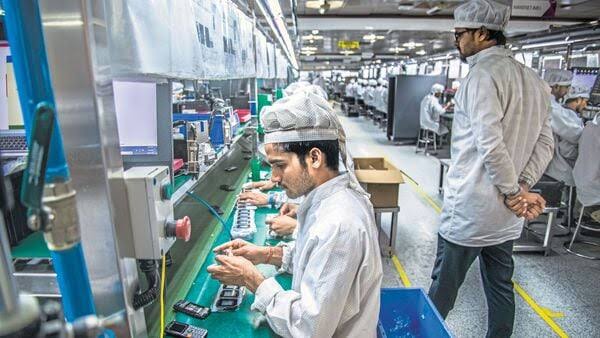
The turning point is the government’s Quality Control Orders (QCO) under the Bureau of Indian Standards (BIS). These new norms require factory certifications for a growing list of electronic products, including appliances previously dominated by imports from China and Europe.
This change is nudging companies to consider domestic production. Many of these products were once considered too niche for local assembly. But the new rules are rewriting that logic.
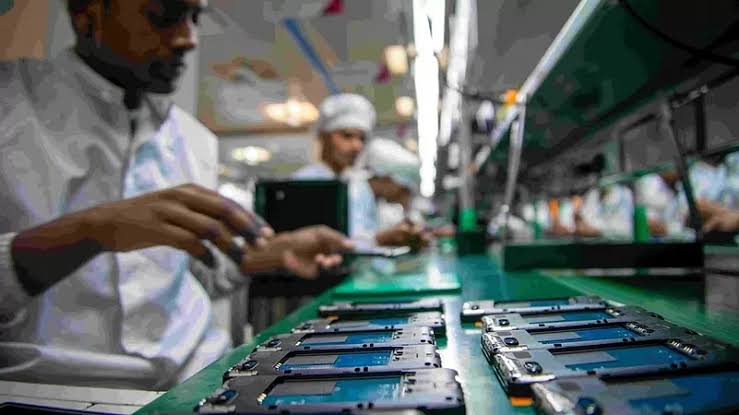

Dixon Technologies, India’s largest electronics contract manufacturer, recently signed a deal with Eureka Forbes to produce robotic vacuum cleaners. Despite a modest market size of ₹700 crore, the move is seen as strategic.
“BIS norms have been a big trigger,” said Atul Lall, MD of Dixon. “Brands are turning to local production despite low volumes.”
Premium Players Are On Board Too
Liebherr, a German appliance giant, has started manufacturing customised built-in refrigerators in Aurangabad. These high-end fridges had annual sales of just 14,000-15,000 units. Yet, Liebherr believes the Indian market will grow to 1 lakh units in five years.
Kapil Agarwal, India MD at Liebherr, said, “Import certification is tough. Local manufacturing reduces lead time and taps into India’s premiumisation trend.”
More Brands Going Vocal for Local
Crompton Greaves has committed to prioritising local sourcing this year. Havells India is also cutting back on imports, bringing it down from 15% in FY24 to 8% now.
These shifts align with the Make in India electronics manufacturing goal — reduce import dependence, generate jobs, and strengthen domestic capacity.
Contract Manufacturers Lead the Way
Epack Durable, a leading contract manufacturer, is diving into production of items like air fryers, kettles, and hair dryers — all part of the 72 categories recently brought under QCO.
“It’s a ₹12,000–13,000 crore opportunity,” said MD Ajay Singhania. “Earlier, we imported in bulk. Now, we are meeting the needs of top brands with local plants.”
PG Electroplast, another manufacturer, is revisiting its earlier decision to exit the small appliances segment. “With QCO and rising brand interest, the market looks promising again,” said MD (Operations) Vikas Gupta.
QCO Is Fueling a Shift in Mindset
The government has steadily expanded the BIS certification requirement to include:
- Air conditioners
- Refrigerators
- Washing machines
- Ceiling fans
- Switches, plugs, and cables
Very few overseas factories have these certifications, giving Indian facilities a head start.
The Bigger Picture
While standalone product categories may look small, their cumulative potential is huge. For context, the air-conditioner market is worth over ₹40,000 crore, and smartphones exceed ₹1.5 lakh crore.
The niche appliance market, though currently valued at ₹12,000–13,000 crore, is rapidly gaining importance. It promises not just business opportunity, but also a boost to India’s self-reliance in electronics manufacturing.
Final Thoughts
The shift towards local production of electronics is no longer just a policy vision — it’s becoming a business reality. Thanks to government regulations, rising consumer demand, and strategic industry moves, India is switching to “factory settings” for the future of electronics.
The Make in India electronics manufacturing wave is gaining real momentum. The opportunity is not just economic — it’s strategic and sustainable.