
Trump’s Role in the Shift
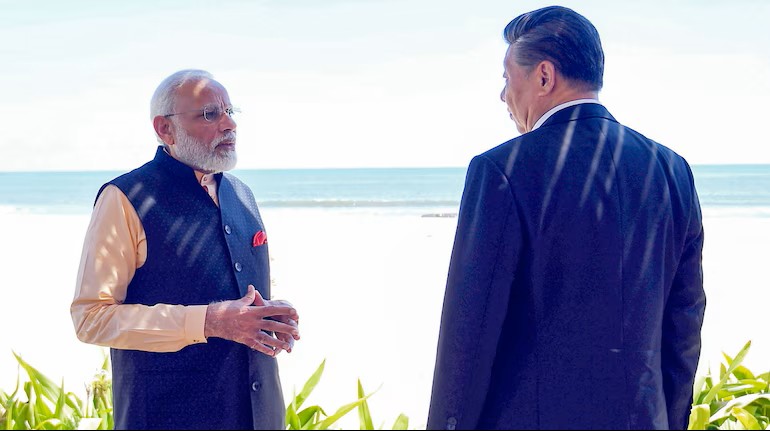
Trump’s policies have unexpectedly nudged India and China towards dialogue. With Washington simultaneously exploring closer ties with Islamabad, both Delhi and Beijing have incentives to keep communication lines open. Analysts suggest that shared frustrations over US protectionism are fostering limited cooperation between the Asian giants.
“Trump has pushed India and China closer together,” said economist Biswajit Dhar, noting that both nations face similar trade challenges and are seeking ways to mitigate them.
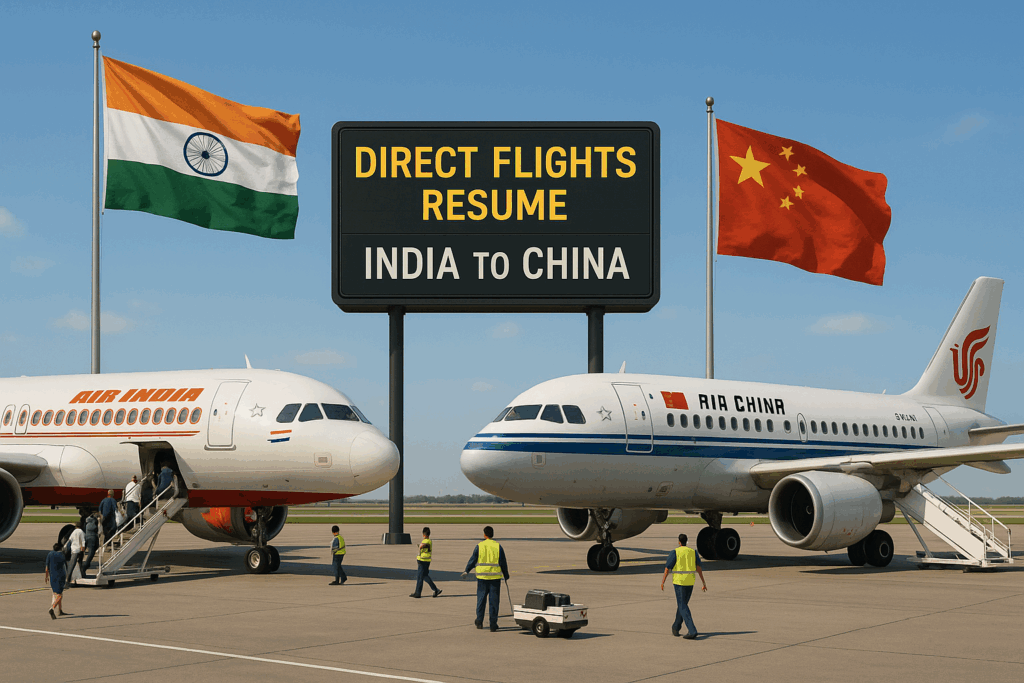

In a rare display of alignment, both countries have criticized US trade actions as “unjustified” and “unreasonable.” India’s Ministry of External Affairs pointed to Western double standards in continuing trade with Russia, while China’s foreign ministry warned that coercion would not sway its energy security policies. Chinese state media even praised India’s independent foreign policy, particularly its decision to keep importing Russian oil despite US pressure.
Strategic Calculations
For India, improving ties with China offers a buffer against US unpredictability and an opportunity to cool tensions along the Line of Actual Control (LAC). For China, it reduces the risk of friction with a key Quad member and helps focus on other strategic fronts.
Beijing recently supported India’s sovereignty when Washington threatened extra tariffs over Russian oil imports—a rare diplomatic gesture that did not go unnoticed in Delhi.
Challenges Ahead
Despite the current warming trend, deep-rooted disputes remain. The LAC issue is unresolved, and China’s close military partnership with Pakistan continues to trouble Indian security planners. Infrastructure projects like the Yarlung Tsangpo mega dam and the Xinjiang–Tibet railway near Aksai Chin also fuel mistrust.
Experts caution that the current phase is more of a tactical pause than a lasting reconciliation. The next geopolitical flashpoint—in the Indo-Pacific, at the border, or in Washington—will test whether this fragile cooperation can survive.
Looking Forward
For now, India and China are talking, trading, and reconnecting. Whether this marks the start of a sustained strategic reset or a brief interlude before renewed confrontation will depend on how both sides navigate old disputes and new pressures.
More details on India–China trade statistics and bilateral agreements can be found on the Ministry of Commerce website.